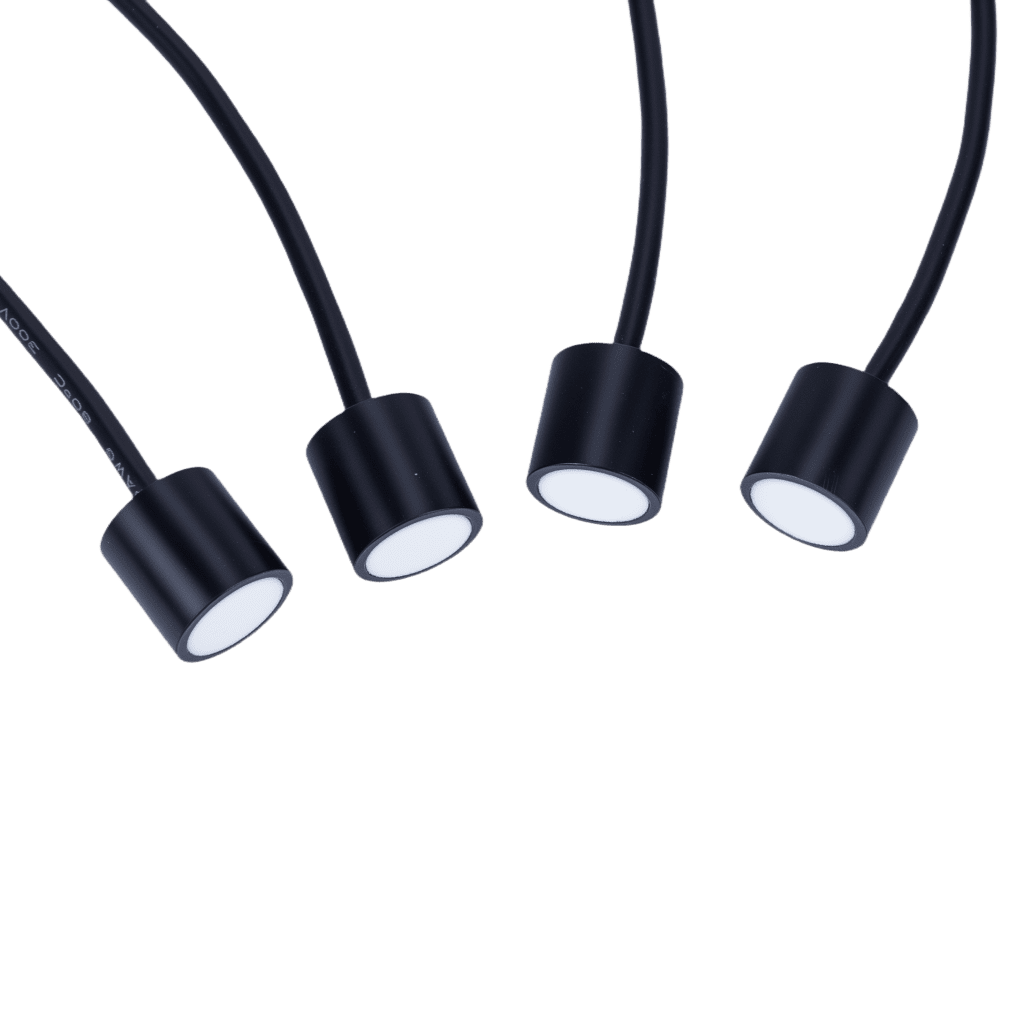










I dati relativi alla velocità e alla direzione del vento sono parametri ambientali indispensabili per il monitoraggio meteorologico, la generazione di energia eolica, la navigazione marittima, la sicurezza dei ponti, i sistemi di allerta autostradale, l'agricoltura intelligente e i sistemi di sicurezza industriale.
Negli ultimi decenni, gli anemometri meccanici a coppa sono stati il pilastro del mercato delle apparecchiature per la misurazione del vento, grazie al loro design strutturale maturo, al prezzo contenuto e alla ricca esperienza di utilizzo. Tuttavia, con l'aumento massiccio delle stazioni di monitoraggio all'aperto a lungo termine, la diffusione di modelli di funzionamento e manutenzione (O&M) non presidiati e la crescente richiesta di continuità dei dati nei sistemi digitali, i sensori di vento a ultrasuoni basati su principi acustici stanno diventando la direzione di aggiornamento per un numero sempre maggiore di progetti.
I sensori di vento a ultrasuoni non hanno parti meccaniche in movimento come coppe del vento, cuscinetti o alberi rotanti. Calcolano invece la velocità e la direzione del vento misurando le variazioni del tempo di propagazione delle onde ultrasoniche nell'aria. Nella letteratura tecnica, questo metodo di misurazione è denominato Time of Flight (TOF), che deduce le informazioni sulla velocità del vento misurando la differenza di tempo di propagazione delle onde ultrasoniche fra trasduttori.
Per i produttori che sviluppano o aggiornano le apparecchiature di misurazione del vento, la competitività della soluzione a ultrasuoni dipende non solo dall'algoritmo e dalla progettazione strutturale, ma anche dalle prestazioni e dalla stabilità dei componenti acustici front-end.
Questo articolo confronta sistematicamente queste due soluzioni di misurazione del vento dal punto di vista dei principi di funzionamento, delle differenze strutturali, dei costi di manutenzione, dell'adattabilità all'ambiente e degli scenari applicativi. L'obiettivo è quello di aiutare i lettori a comprendere la logica ingegneristica che sta alla base della transizione dei sistemi di misurazione del vento dalla “rotazione meccanica” al “rilevamento acustico allo stato solido”.”
1. Perché si stanno aggiornando le misure di velocità e direzione del vento?
La misurazione della velocità del vento può sembrare una semplice registrazione della velocità dell'aria, ma nella pratica ingegneristica è spesso direttamente collegata alle strategie di controllo delle apparecchiature, alle soglie di allarme ambientale, alle decisioni in materia di sicurezza e ai modelli di analisi dei dati.
Per citare alcuni esempi concreti:
- Generazione di energia eolica: I dati relativi alla velocità e alla direzione del vento influiscono direttamente sul controllo dell'imbardata della turbina e sulla valutazione della potenza. Una deviazione dell'angolo di imbardata superiore a $10^\circ$ può portare a un calo dell'efficienza di generazione di energia di diversi punti percentuali.
- Ponti e autostrade: Quando i venti trasversali superano una certa soglia, devono far scattare gli avvisi di restrizione dei veicoli.
- Applicazioni marine e navali: La velocità e la direzione del vento sono input fondamentali per la valutazione della sicurezza marittima.
- Agricoltura intelligente: La velocità del vento influisce sull'uniformità dell'irrigazione a pioggia, sulla distanza della deriva dei pesticidi e sulle strategie di ventilazione della serra.
- Stazioni meteorologiche incustodite: C'è una forte richiesta di apparecchiature che funzionino in modo stabile a lungo termine, riducendo al minimo la frequenza delle ispezioni manuali.
Pertanto, i moderni sistemi di misurazione del vento hanno smesso da tempo di concentrarsi semplicemente sul “se il vento può essere misurato”, ma su una serie di questioni ingegneristiche più pratiche:
- Può funzionare in modo stabile nel lungo periodo?
- Può misurare contemporaneamente la velocità e la direzione del vento?
- È in grado di adattarsi ad ambienti difficili come le basse temperature, la nebbia salina, la sabbia/polvere e i venti forti?
- È possibile ridurre la frequenza di manutenzione?
- Può essere facilmente integrato in data logger, PLC, gateway IoT o sistemi completi di controllo delle macchine?
Questi requisiti stanno portando alla migrazione delle apparecchiature di misurazione del vento dalle tradizionali strutture meccaniche alle soluzioni a ultrasuoni.
2. Anemometri meccanici a coppa: Maturi e affidabili, ma con limiti strutturali
Il anemometro meccanico a coppa è uno dei più classici dispositivi di misurazione del vento. In genere è composto da un gruppo di coppe del vento, un albero rotante, cuscinetti, una staffa e un'unità di rilevamento della velocità di rotazione. Il vento fa ruotare le coppe e il dispositivo calcola la velocità del vento rilevando la velocità di rotazione.

2.1 Perché è ancora ampiamente utilizzato oggi?
Le ragioni sono molto pratiche:
- Tecnologia matura: Esistono metodi completi, dalla progettazione e produzione alla calibrazione, supportati da una profonda esperienza nel settore.
- Basso costo iniziale: Per i progetti sensibili al budget in condizioni ambientali miti, il costo iniziale di acquisto delle soluzioni meccaniche a coppa è effettivamente inferiore.
- Principio intuitivo: La corrispondenza tra la velocità della coppa del vento e la velocità del vento è chiara e di facile comprensione per gli utenti, mentre lo schema di acquisizione dei dati back-end è semplice.
- Scelta pragmatica: Negli scenari in cui è disponibile una regolare manutenzione manuale e la risposta al vento istantaneo non è molto impegnativa, rimane una scelta pratica.
2.2 Punti critici per l'ingegneria portati dalle strutture meccaniche
Il problema degli anemometri meccanici a coppa non è che siano “inutilizzabili”, ma piuttosto che l'accuratezza e l'affidabilità delle misure si degradano gradualmente con il passare del tempo, caratteristica tipica delle strutture meccaniche rotanti.
- L'usura dei cuscinetti influisce sulla misurazione della velocità del vento a bassa quota: La rotazione delle coppe del vento si basa su cuscinetti. Dopo un uso prolungato, i cuscinetti subiscono un aumento della resistenza all'attrito a causa dell'ingresso di polvere, umidità, nebbia salina o dell'invecchiamento del grasso lubrificante. La conseguenza diretta dell'aumento dell'attrito è un'elevata velocità del vento iniziale. Le brezze che avrebbero dovuto essere catturate vengono sottovalutate o perse del tutto perché le ventose non riescono a girare. Alcuni anemometri a coppa utilizzati sul campo per due o tre anni vedono la loro velocità di avvio del vento degradarsi dalle specifiche di fabbrica di $0,3\text{ m/s}$ a $0,8\text{ m/s}$ o superiore, con un grave impatto sull'affidabilità dei dati nei regimi di vento debole.
- L'inerzia meccanica provoca un ritardo nella risposta dinamica: Il gruppo della coppa del vento possiede una massa e il sistema rotante ha un'inerzia. Quando la velocità del vento cambia rapidamente, le coppe non possono sincronizzare l'accelerazione e la decelerazione istantaneamente. In particolare, quando la velocità del vento diminuisce improvvisamente, le coppe continuano a ruotare per un certo periodo a causa dell'inerzia, causando letture temporaneamente gonfiate. Questi errori dinamici meritano un'attenzione particolare nel monitoraggio delle raffiche, negli avvisi di vento laterale sui ponti e nella valutazione dell'energia eolica.
- Rischio di disturbo e guasto in condizioni meteorologiche estreme: In ambienti con pioggia gelata, il ghiaccio può accumularsi sulle coppe del vento e sulle aree di supporto, causando il blocco completo delle coppe e l'interruzione della misurazione. In ambienti polverosi o salini, le parti rotanti sono altamente suscettibili alla contaminazione e alla corrosione. Di conseguenza, gli anemometri meccanici a coppa richiedono una pulizia, una lubrificazione, una sostituzione dei componenti e una ricalibrazione periodiche, che rappresentano una spesa O&M significativa nelle stazioni remote o nelle piattaforme offshore.
3. Sensori di vento a ultrasuoni: Misurazione di tutti gli stati solidi basata sul metodo del tempo di volo
Il metodo di misurazione di sensori di vento a ultrasuoni è fondamentalmente diverso da quello degli anemometri meccanici a coppa. Invece di affidarsi al vento per spingere una struttura meccanica, questi anemometri calcolano la velocità e la direzione del vento utilizzando le variazioni del tempo di propagazione delle onde ultrasoniche nell'aria.

I comuni sensori di vento a ultrasuoni impiegano in genere 4 o 6 sonde a ultrasuoni disposte a coppie con angolazioni specifiche. Alcune strutture utilizzano una configurazione di installazione incrociata $45^\circ$, che consente alle sonde in direzioni diverse di trasmettere e ricevere segnali ultrasonici l'una dall'altra.
Durante la misurazione, un trasduttore in una direzione emette un'onda ultrasonica e il trasduttore opposto riceve il segnale. Confrontando la differenza di tempo di propagazione dell'onda sonora nelle direzioni sottovento e sopravento, il sistema determina l'effetto del movimento dell'aria sulla velocità dell'onda sonora, calcolando così la velocità e la direzione del vento.
Poiché questo metodo di misura si basa sull'emissione, la ricezione e la precisa identificazione della differenza temporale delle onde sonore, la sonda del trasduttore diventa l'anello critico dell'intero percorso di misura acustico. L'intensità di emissione, la sensibilità di ricezione, la stabilità di frequenza e la coerenza tra più sonde del trasduttore influiscono direttamente sulla qualità del segnale ricevuto e sull'affidabilità dell'identificazione della differenza temporale.
Per le strutture a 4 o 8 sonde, più trasduttori devono lavorare in modo cooperativo in diverse direzioni. Se c'è una grande deviazione di coerenza tra le sonde, le misurazioni successive richiederanno un'ampia compensazione software. Se il segnale ricevuto è instabile, aumenterà la difficoltà per il sistema di identificare minime differenze temporali. Pertanto, nella progettazione dei sensori di vento a ultrasuoni, i trasduttori devono essere pianificati in modo olistico insieme alla distanza del canale, agli angoli di installazione, alla protezione strutturale e alle soluzioni di elaborazione del segnale.
In altre parole, passare dalle soluzioni a coppa meccanica a quelle a ultrasuoni non significa semplicemente sostituire le coppe del vento con componenti elettronici, ma è un cambiamento del paradigma di misura dalla “misurazione meccanica della velocità di rotazione” alla “misurazione acustica del tempo di volo”. Un trasduttore a ultrasuoni stabile e affidabile fornisce una solida base di segnale per l'intera unità, influenzando direttamente la risposta alle basse velocità del vento, l'identificazione dinamica del campo di vento e le prestazioni a lungo termine all'esterno.
4. Metodo del tempo di volo TOF: Come gli ultrasuoni calcolano la velocità e la direzione del vento?
Il principio di misura più comune per i sensori di vento a ultrasuoni è il metodo del tempo di volo (TOF). La logica di base è elegante: misurando la differenza del tempo di propagazione delle onde ultrasoniche in direzioni diverse, si deducono la velocità e la direzione del movimento dell'aria.
Si può capire come: quando le onde sonore si propagano in aria ferma, il tempo impiegato dalla sonda A alla sonda B è sostanzialmente identico al tempo impiegato dalla sonda B alla sonda A. Quando l'aria inizia a muoversi, la situazione cambia. Nella direzione sottovento, l'onda sonora “prende il largo”, accorciando il suo tempo di propagazione. Nella direzione sopravento, l'onda sonora “lotta contro il vento”, allungando il suo tempo di propagazione.
Confrontando la differenza di tempo di propagazione in queste due direzioni, il sistema può calcolare la componente della velocità del vento lungo quel percorso. Combinando i risultati di misura di più coppie di sonde in direzioni diverse ed eseguendo una sintesi vettoriale, è possibile ottenere la velocità e la direzione del vento effettive.
Per riassumere la differenza fondamentale tra le due tecnologie in una frase: gli anemometri meccanici a coppa misurano “la velocità con cui il vento fa girare le coppe”, mentre i sensori di vento a ultrasuoni misurano “quanto il vento modifica il tempo di propagazione delle onde sonore”.”
5. Confronto tra i nuclei: Vantaggi e limiti della soluzione a ultrasuoni
5.1 Riduzione significativa della frequenza di manutenzione
Le parti mobili degli anemometri meccanici a coppa si usurano e si degradano inevitabilmente durante il funzionamento all'aperto a lungo termine. Le soluzioni a ultrasuoni non presentano coppe del vento, cuscinetti o alberi rotanti, eliminando i problemi di usura meccanica e di inceppamento degli alberi. Per il monitoraggio online a lungo termine e per le stazioni non presidiate, questo si traduce in una minore frequenza di manutenzione e in una migliore continuità dei dati.
Naturalmente, i dispositivi a ultrasuoni non sono del tutto esenti da manutenzione. Se sulle superfici delle sonde si accumulano nebbia salina, polvere, ghiaccio o neve, la trasmissione del segnale ne risentirà. Tuttavia, rispetto alla manutenzione meccanica - che richiede la lubrificazione periodica dei cuscinetti, l'ispezione degli alberi e la sostituzione delle parti usurate - la manutenzione delle soluzioni a ultrasuoni si concentra sulla protezione strutturale e sui sistemi elettronici, che sono molto meno complessi e frequenti.
5.2 Vantaggi della misura in condizioni di brezza e vento debole
Gli anemometri meccanici a coppa hanno una soglia di velocità del vento all'avvio; la forza del vento deve essere abbastanza forte da superare l'attrito del cuscinetto e l'inerzia della coppa prima che quest'ultima possa ruotare. In ambienti con brezza leggera, questa soglia può comportare la mancanza o la distorsione dei dati relativi alle basse velocità del vento.
Le soluzioni a ultrasuoni non hanno bisogno di superare alcuna resistenza meccanica. Sono in grado di percepire il movimento dell'aria in prossimità della velocità zero del vento attraverso minime variazioni dei tempi di propagazione delle onde sonore. Questo li rende molto adatti per ricerche meteorologiche dettagliate, per il monitoraggio del microclima agricolo e per la valutazione della ventilazione interna/esterna, sensibili alle variazioni di velocità del vento.
5.3 Risposta dinamica più rapida
Limitati dall'inerzia della coppa del vento, gli anemometri meccanici a coppa non sono in grado di rispondere istantaneamente alle rapide variazioni di velocità del vento. Le soluzioni a ultrasuoni misurano elettronicamente i tempi di propagazione delle onde sonore. La loro velocità di risposta dipende dalle prestazioni del trasduttore, dalla frequenza di campionamento e dalle capacità di elaborazione algoritmica, che in genere offrono una risoluzione temporale superiore nel monitoraggio delle raffiche, del vento istantaneo e della turbolenza.
5.4 Misura integrata della velocità e della direzione del vento
Gli anemometri meccanici a coppa misurano generalmente la velocità del vento come uno scalare. Per ottenere i dati sulla direzione del vento, è necessario utilizzare un'ulteriore banderuola, anch'essa dotata di una struttura meccanica rotante e soggetta a identici problemi di usura dei cuscinetti, formazione di ghiaccio e inerzia. Le soluzioni a ultrasuoni calcolano i vettori della velocità del vento attraverso percorsi acustici multidirezionali, ottenendo dati sulla velocità e sulla direzione del vento all'interno dello stesso array di sonde. La struttura integrata è più compatta e l'integrazione del sistema è notevolmente semplificata.
5.5 Adattabilità ad ambienti esterni complessi
Le basse temperature, i venti forti, la polvere, la nebbia salina e l'elevata umidità rappresentano una sfida continua per le parti meccaniche in movimento. Le soluzioni a ultrasuoni non presentano componenti rotanti esposti, il che rende più facile migliorare la tolleranza ambientale attraverso la scelta dei materiali della custodia, la progettazione di strutture protettive e i moduli di riscaldamento. Ad esempio, nelle regioni ad alta latitudine o ad alta quota, alcuni sensori di vento a ultrasuoni integrano funzioni di riscaldamento per ridurre il rischio di congelamento della sonda e della staffa.
5.6 Limitazioni da affrontare
Le soluzioni a ultrasuoni non sono prive di difetti. Il loro costo iniziale di acquisto è in genere superiore a quello dei sistemi meccanici a tazza. Se il percorso acustico è fortemente contaminato o ostruito, la qualità del segnale ne risente. Le variazioni di temperatura influiscono direttamente sulla velocità del suono, rendendo necessari algoritmi affidabili di compensazione della temperatura. Inoltre, l'interferenza del segnale può verificarsi in caso di acquazzoni estremi o quando gocce d'acqua di grandi dimensioni attraversano il canale acustico. Si tratta di sfide ingegneristiche che devono essere affrontate con attenzione durante la fase di progettazione.
6. Confronto in sintesi
| Dimensione di confronto | Anemometro meccanico a coppa | Sensore di vento a ultrasuoni |
|---|---|---|
| Principio di misurazione | Misura della velocità di rotazione della coppa del vento | Misura della differenza di tempo di propagazione delle onde sonore |
| Struttura centrale | Coppe del vento, cuscinetti, albero rotante, unità di rilevamento | Sonde multiple per trasduttori a ultrasuoni |
| Parti mobili | Sì | Nessuno |
| Misura della direzione del vento | In genere richiede una banderuola aggiuntiva | Misura simultanea tramite array di sonde multiple |
| Risposta alla bassa velocità del vento | Influenzato dalla velocità del vento all'avvio e dall'attrito | Rileva le variazioni in prossimità della velocità zero del vento |
| Risposta dinamica | Influenzato dall'inerzia meccanica | Risposta più rapida, adatta al monitoraggio delle raffiche |
| Requisiti di manutenzione | Richiede pulizia, lubrificazione e controlli regolari dei cuscinetti. | Bassa frequenza di manutenzione |
| Ambiente estremo Adattabilità | Incline agli impatti di ghiaccio, polvere e nebbia salina | Può essere migliorato attraverso la progettazione strutturale e del riscaldamento |
| Costo iniziale | Tipicamente più basso | Tipicamente più alto |
| Costo O&M a lungo termine | Si accumula con la manutenzione e la sostituzione dei pezzi | Più adatto all'impiego a lungo termine e a bassa manutenzione |
| Applicazioni tipiche | Osservazione meteorologica generale, progetti a breve termine, monitoraggio a basso costo | Energia eolica, nautica, trasporti, stazioni non presidiate |
7. In che modo i trasduttori a ultrasuoni influiscono sulle prestazioni di misura complessive?
In un sensore di vento a ultrasuoni, la sonda del trasduttore non è solo un comune accessorio: è il punto di partenza e di arrivo dell'intero percorso di misurazione acustica.
Deve svolgere due compiti:
- Converte i segnali elettrici in segnali ultrasonici stabili e li emette.
- Ricevono i segnali ultrasonici dalla sonda avversaria e li convertono in segnali elettrici elaborabili.

La qualità di questi due processi determina direttamente la linea di base per tutti i calcoli successivi. Se la coerenza tra i trasduttori è scarsa, come ad esempio le discrepanze nell'intensità di emissione, nella sensibilità di ricezione o nelle caratteristiche di frequenza tra le diverse sonde, il sistema richiederà un'ampia compensazione software per la correzione. Maggiore è la compensazione richiesta, maggiore è il rischio di introdurre incertezze. Se il segnale stesso è instabile, la difficoltà per il sistema di identificare le differenze di tempo di propagazione a livello di nanosecondo aumenterà.
In particolare, l'influenza dell'alta qualità sonda trasduttore anemometro a ultrasuoni sulle prestazioni complessive della misurazione del vento si manifesta in diversi ambiti:
- Linea di base del segnale più stabile: Contribuisce a migliorare l'affidabilità dell'identificazione del tempo di propagazione.
- Migliore coerenza tra le sonde: Contribuisce a ridurre la difficoltà di calibrazione su più canali.
- Rapporto segnale/rumore più elevato in regimi di vento debole: Contribuisce a migliorare le prestazioni di misurazione della brezza leggera.
- Maggiore tolleranza ambientale a lungo termine: Contribuisce a salvaguardare la qualità dei dati per anni di funzionamento all'aperto.
In una struttura a 4 o 6 sonde, le sonde devono lavorare all'unisono; una fluttuazione delle prestazioni di una singola sonda compromette i risultati di misura complessivi. Di conseguenza, la selezione del trasduttore e la qualità della fornitura sono fasi critiche che i produttori di apparecchiature devono privilegiare durante la fase di progettazione della soluzione.
8. Scenari applicativi: Quali sono i progetti più adatti per l'aggiornamento alla misurazione del vento a ultrasuoni?
I sensori di vento a ultrasuoni non sono destinati a sostituire tutti i dispositivi meccanici a coppa. La scelta appropriata dipende ancora dal budget del progetto, dalle condizioni ambientali, dalle capacità di manutenzione e dai requisiti di accuratezza dei dati.
Scenari in cui le coppe meccaniche rimangono applicabili:
- Progetti di monitoraggio convenzionali con budget limitato.
- Ambienti di misura miti e privi di sfide climatiche estreme.
- Progetti in cui il personale è disponibile per ispezioni e manutenzioni regolari.
- Scenari che richiedono solo registrazioni generali della velocità media del vento, dove l'alta precisione per il vento istantaneo e le basse velocità del vento non è critica.
- Ambienti in cui la sostituzione delle apparecchiature è conveniente. Tra gli esempi vi sono gli esperimenti didattici, i test sul campo di breve durata, le registrazioni meteorologiche di routine o alcuni progetti di monitoraggio ambientale a basso costo.
Scenari in cui le soluzioni a ultrasuoni hanno un vantaggio:
Generazione di energia eolica: Nelle turbine eoliche invernali, gli anemometri a ultrasuoni con riscaldamento possono funzionare normalmente in condizioni di bassa temperatura e di formazione di ghiaccio, garantendo una raccolta continua e stabile dei dati sulla velocità e sulla direzione del vento.

Marina e trasporti marittimi: Nebbia salina, umidità elevata, venti forti e corrosione mettono a dura prova le parti meccaniche rotanti. Non avendo coppe del vento o cuscinetti, le soluzioni a ultrasuoni sono più adatte alle boe meteorologiche marine, alla navigazione navale e al monitoraggio delle piattaforme offshore.

Ponti e autostrade: Il monitoraggio in tempo reale del vento laterale, delle raffiche e del vento forte è un input fondamentale per i sistemi di allarme per la sicurezza dei trasporti. Le soluzioni a ultrasuoni sono caratterizzate da una risposta rapida e da un'uscita simultanea della velocità e della direzione del vento, che le rende particolarmente adatte all'integrazione nei sistemi di sicurezza del traffico.

Stazioni meteorologiche incustodite: Le stazioni in aree remote devono sostenere costi di manutenzione elevati e lunghi intervalli di ispezione. Le caratteristiche di bassa manutenzione delle soluzioni a ultrasuoni contribuiscono ad alleviare la pressione operativa e a garantire la continuità dei dati.

Agricoltura intelligente e monitoraggio ambientale: Le micro-stazioni meteorologiche, il monitoraggio ambientale delle serre, il controllo degli irrigatori e la valutazione del rischio di deriva dei pesticidi richiedono tutti dati stabili sul vento. Le dimensioni compatte e le capacità di uscita digitale delle soluzioni a ultrasuoni ne facilitano l'integrazione con le piattaforme IoT.

9. Per i produttori di apparecchiature, dove si trova la chiave per l'aggiornamento?
Agli utenti finali interessa che un sensore di vento sia preciso, stabile e duraturo. Tuttavia, per i produttori di apparecchiature e gli integratori di sistemi, lo sviluppo di un sensore di vento a ultrasuoni altamente affidabile richiede il collegamento di più elementi: componenti acustici, progettazione strutturale, elaborazione del segnale, compensazione della temperatura, grado di protezione dalle infiltrazioni e coerenza a lungo termine.
Tra questi, la sonda del trasduttore a ultrasuoni si trova all'avanguardia assoluta del percorso acustico. Le sue prestazioni determinano direttamente la qualità della sorgente del segnale, stabilendo il limite superiore dell'intera catena di misura.
Nello sviluppo pratico, una fornitura stabile di trasduttori aiuta i produttori a stabilire una linea di base di misura acustica più affidabile, a ridurre la dispersione delle prestazioni tra le sonde, a migliorare la coerenza della ricezione del segnale e a ottenere prestazioni di misura superiori in scenari di bassa velocità del vento e di campi di vento dinamici. Per questo motivo, la scelta del trasduttore è spesso una delle prime e più calcolate decisioni prese dai produttori di soluzioni di misura del vento a ultrasuoni.
Dal punto di vista della catena di fornitura, i trasduttori per la misurazione del vento rappresentano un'area di applicazione di nicchia nell'ambito dei sensori a ultrasuoni, ma impongono requisiti impegnativi in termini di coerenza del prodotto, adattabilità all'ambiente e stabilità a lungo termine. Per i produttori con capacità di ricerca e sviluppo autonoma, la collaborazione con un fornitore di trasduttori di comprovata esperienza contribuisce a ridurre il ciclo di verifica del front-end acustico e a diminuire i rischi di sviluppo del sistema complessivo.
10. Tendenze future: Meno manutenzione, maggiore integrazione e maggiore intelligenza
Guardando allo sviluppo del settore, la misurazione della velocità e della direzione del vento si sta evolvendo in tre direzioni:
- Riduzione delle parti meccaniche in movimento: Tutte le apparecchiature che operano all'aperto a lungo termine sono soggette a usura, inceppamenti, problemi di lubrificazione e invecchiamento se sono presenti parti in movimento. Le soluzioni a ultrasuoni riducono questi rischi grazie a strutture interamente a stato solido, una tendenza non nuova ma in continua accelerazione.
- Migliorare l'integrazione dei sistemi: I moderni sensori eolici non si limitano più a emettere un segnale analogico, ma devono collegarsi a reti meteorologiche, sistemi di controllo delle turbine, piattaforme di segnalazione del traffico, IoT agricolo o sistemi di sicurezza industriale. Strutture compatte, uscite digitali e design modulari diventeranno sempre più indispensabili. Per i produttori, la scelta di trasduttori con un'eccellente adattabilità strutturale aiuta a realizzare prodotti più flessibili, con dimensioni e configurazioni di montaggio diverse.
- Passare dalla misurazione di un singolo punto al monitoraggio intelligente: I futuri sistemi di misurazione del vento porranno maggiore enfasi sulla gestione della qualità dei dati, tra cui il rilevamento delle anomalie, la compensazione della temperatura, l'identificazione del ghiaccio, la diagnostica a distanza e il monitoraggio della deriva a lungo termine. Le soluzioni a ultrasuoni si combinano naturalmente più facilmente con gli algoritmi digitali, offrendo più ampie prospettive di sviluppo in direzioni intelligenti.
11. Conclusione
L'anemometro meccanico a coppa rimane una scelta matura e affidabile in scenari con budget limitati, manutenzione conveniente e requisiti di precisione modesti; questa realtà non cambierà da un giorno all'altro. Tuttavia, per il monitoraggio online a lungo termine, le operazioni non presidiate, gli ambienti estremi, l'alta affidabilità e i requisiti di bassa manutenzione, i sensori di vento a ultrasuoni si stanno rivelando un aggiornamento molto pratico. Misurando i cambiamenti nella propagazione delle onde sonore con il metodo del tempo di volo in un formato interamente a stato solido, essi forniscono un percorso tecnico più stabile, sensibile e facilmente integrabile per i moderni sistemi di misurazione del vento. In questo percorso di aggiornamento, la sonda del trasduttore a ultrasuoni è un componente fondamentale che non può essere trascurato. Responsabile dell'emissione e della ricezione delle onde sonore, funge da base per l'intera unità per acquisire segnali stabili e ottenere un'identificazione precisa della differenza di tempo. Per i produttori di apparecchiature che sviluppano strutture eoliche a ultrasuoni, la scelta del trasduttore deve essere valutata in modo olistico insieme alla progettazione del canale acustico, alle strutture di montaggio, alla protezione ambientale e agli schemi di elaborazione del segnale. Non si tratta di una fase che può essere aggiustata retroattivamente, ma piuttosto del punto di partenza che determina il limite delle prestazioni dell'intera macchina.
FAQ
D1: Qual è la differenza tra un sensore del vento a ultrasuoni e un anemometro meccanico a coppa?
A1: Un sensore del vento a ultrasuoni calcola la velocità e la direzione del vento misurando la differenza di tempo di propagazione delle onde sonore sottovento e sopravento. Un anemometro meccanico a coppa calcola la velocità del vento in base alla velocità di rotazione delle sue coppe. Il primo non ha parti meccaniche in movimento, mentre il secondo si basa su cuscinetti, un albero rotante e strutture a coppa del vento.
D2: Come funziona un sensore di vento a ultrasuoni?
A2: Utilizza le variazioni del tempo di propagazione delle onde ultrasoniche nell'aria. Le onde sonore accelerano quando viaggiano sottovento e decelerano quando viaggiano sopravento. Calcolando la differenza di tempo di propagazione nelle diverse direzioni, il dispositivo ottiene dati sulla velocità e sulla direzione del vento.
D3: Un sensore del vento a ultrasuoni è migliore di un anemometro a tazza?
A3: Per il monitoraggio online a lungo termine, per le installazioni non presidiate, per gli ambienti difficili o per gli scenari che richiedono un'elevata precisione della velocità del vento, i sensori di vento a ultrasuoni sono generalmente superiori. Non soffrono di usura della coppa del vento e dei cuscinetti, riducendo i costi di manutenzione e migliorando la stabilità. Tuttavia, per budget limitati e ambienti applicativi semplici, gli anemometri meccanici a coppa rimangono una scelta comune.
D4: Quali sono gli svantaggi degli anemometri meccanici a coppa?
A4: Gli svantaggi principali sono l'usura meccanica e la soglia di velocità del vento all'avvio. Dopo un uso prolungato, l'attrito dei cuscinetti, la polvere, la pioggia, la neve o la formazione di ghiaccio possono ostacolare la rotazione della coppa del vento, causando misurazioni imprecise della bassa velocità del vento, tempi di risposta più lenti o un blocco totale.
D5: I sensori del vento a ultrasuoni richiedono manutenzione?
A5: Sì, ma i requisiti di manutenzione sono relativamente bassi. Non avendo parti rotanti, non richiedono la lubrificazione dei cuscinetti o la sostituzione delle ventose. Tuttavia, richiedono controlli periodici per garantire che le superfici della sonda siano libere da polvere, nebbia salina, ghiaccio, neve o ostruzioni estranee, mantenendo un segnale acustico stabile.
D6: Quali scenari sono adatti all'utilizzo di sensori di vento a ultrasuoni?
A6: Sono ideali per il monitoraggio meteorologico, la generazione di energia eolica, i sistemi di segnalazione stradale, il monitoraggio dei ponti, i porti e i terminali, le piattaforme marine, l'agricoltura intelligente, il monitoraggio ambientale e la sicurezza industriale. Sono particolarmente adatti per i progetti che richiedono un funzionamento stabile a lungo termine, una manutenzione ridotta e una produzione continua di dati.