









ISU300E10TR-1D10
Ultrasonic Resin Level Transducer for 3D Printers | ISSR
300 kHz Pulse-Echo Transducer for Non-Contact Sensing Above the Resin Vat
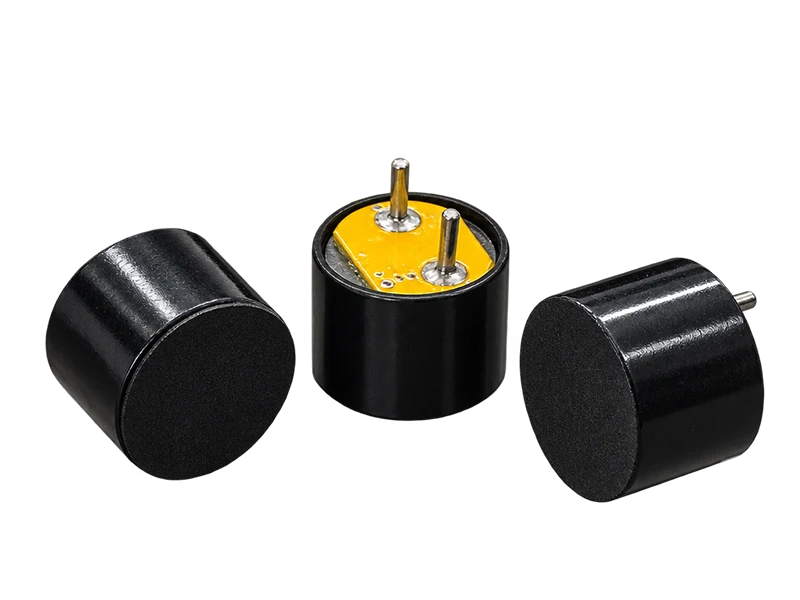
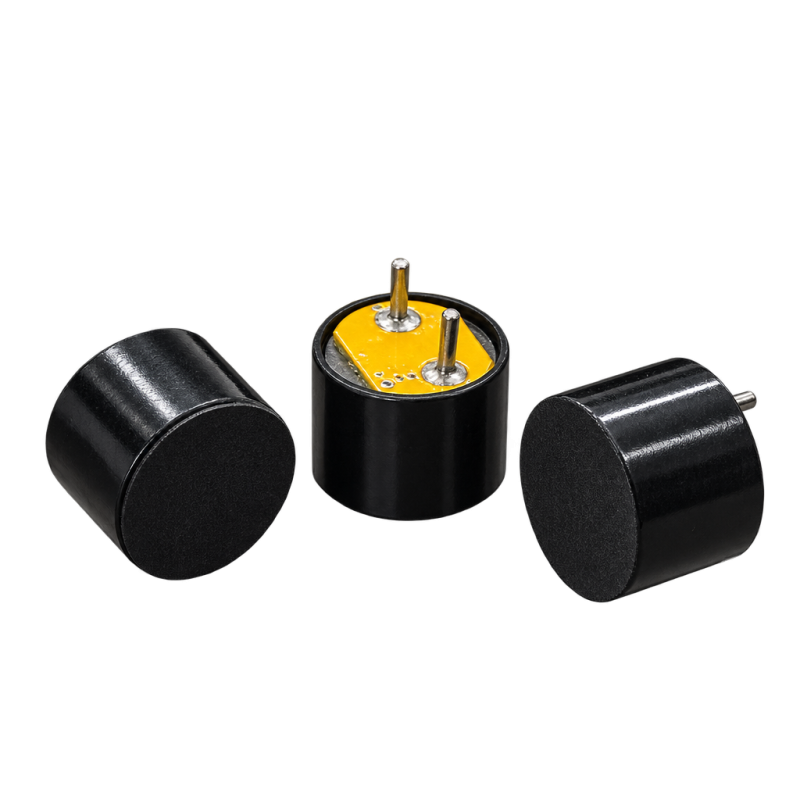
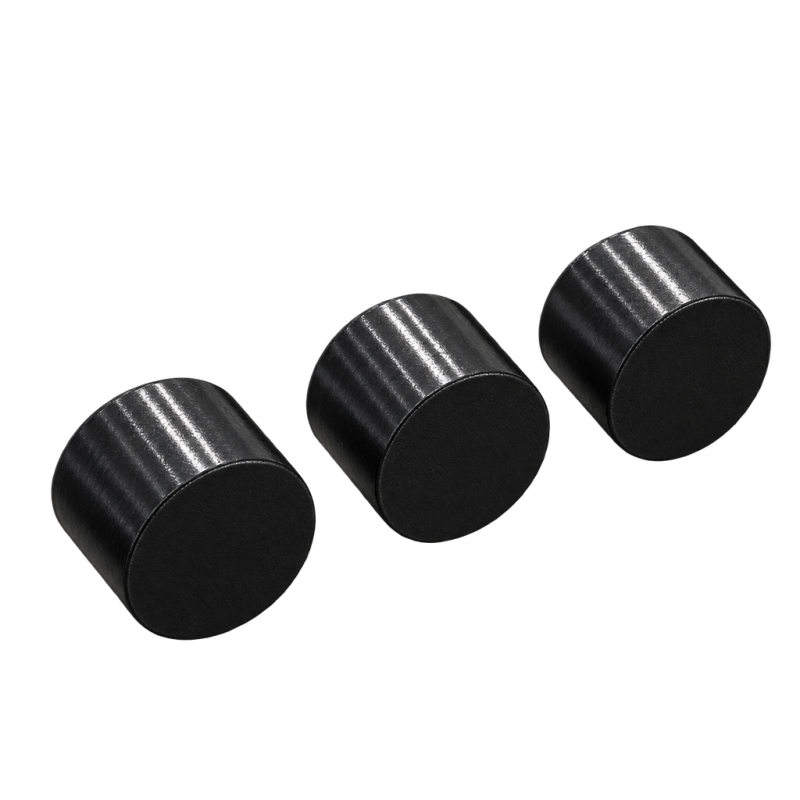
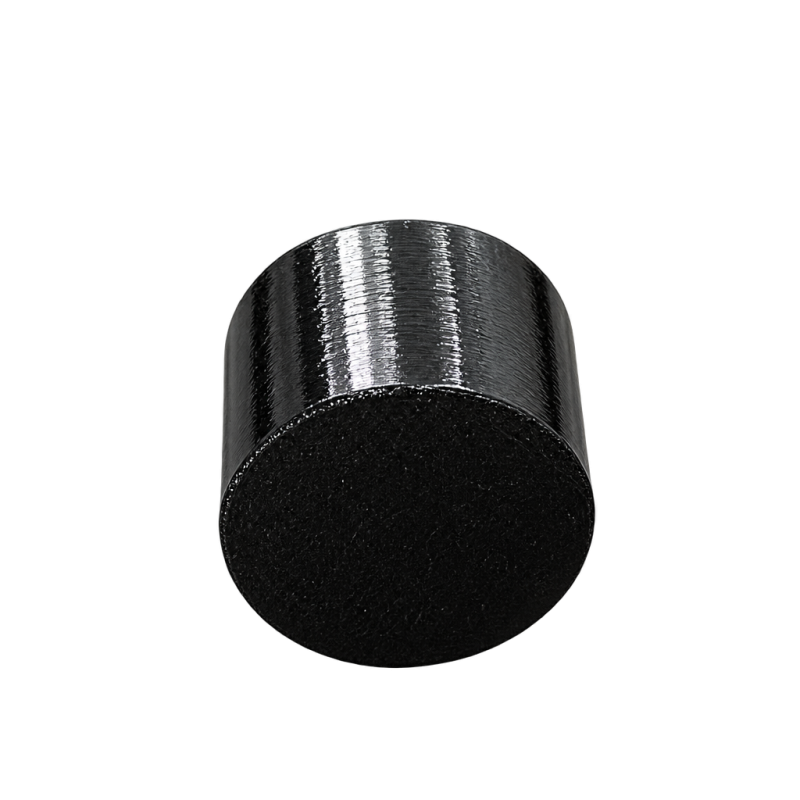
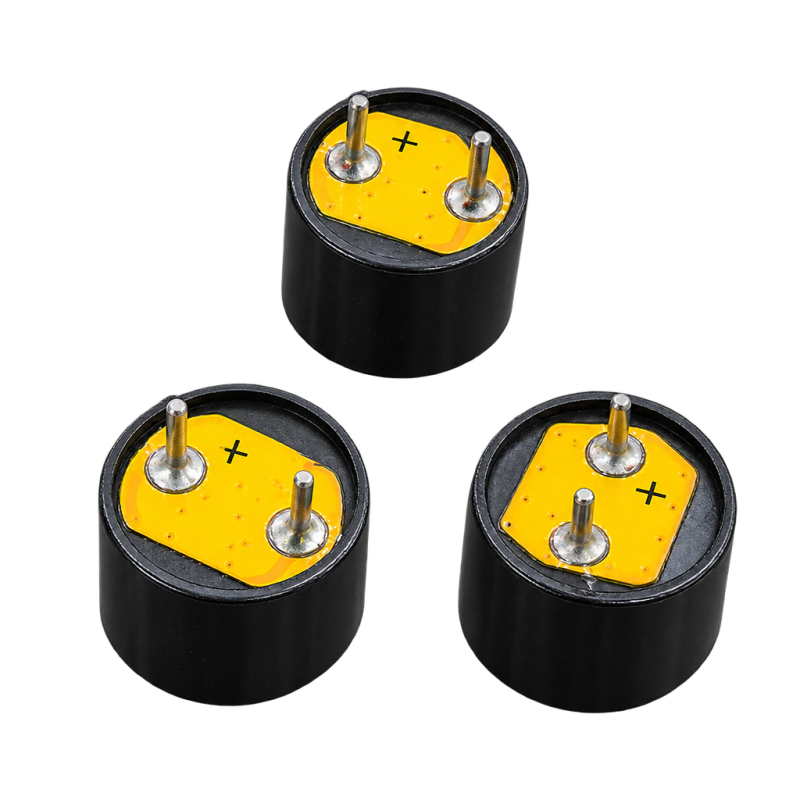
The ISSR ISU300E10TR-1D10 is an ultrasonic resin level transducer for 3D printers that measures the air gap above the resin surface when integrated with drive and receive electronics. It gives printer designers a non-contact sensing option without placing a probe in uncured resin or relying on its optical transparency. The same element transmits the ultrasonic pulse and receives the returning echo.
The printer controller can convert echo time of flight into a continuous level reading or compare the reading with a low-level threshold. The transducer does not output a liquid-level value or an alarm signal on its own; the host electronics and firmware handle those functions.
Key Engineering Benefits
- Compact pulse-echo assembly. The same element transmits and receives, and the body measures Ø9.9 ± 0.2 mm. That lets designers plan around one acoustic opening above the vat instead of aligning separate transmit and receive elements.
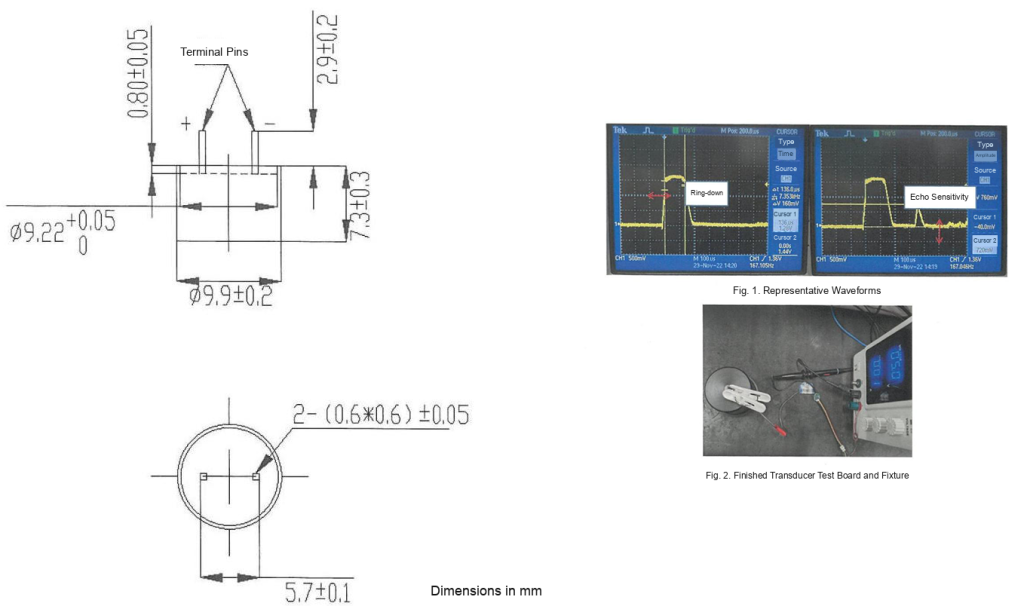
- Bench criteria for receiver setup. Ring-down of ≤230 µs and echo sensitivity of ≥1,200 mV under the specified test conditions give engineers reference points for receiver blanking and bench comparison. Neither value establishes the usable distance or accuracy in a printer.
- Two monitoring modes on one hardware design. Host firmware can convert echo timing into a calibrated level reading or apply a low-level threshold with hysteresis. OEMs can use the same sensing hardware for continuous monitoring or a refill alert.
الأسئلة الشائعة
Q1:Does the transducer measure continuously or only detect low resin?
A1:Either mode can be implemented by the printer. Continuous monitoring requires a calibrated conversion from echo time of flight to liquid level. Threshold-only designs can compare valid readings with a setpoint and use hysteresis to prevent repeated switching. Treat a missing echo as a separate fault rather than assuming the resin is low.
Q2:Can it measure clear or dark resin, and what accuracy should I expect?
A2:Ultrasonic detection relies on an acoustic reflection at the air–resin interface, not on optical transparency. Test the actual resin and vat assembly: bubbles, foam, surface motion and air-temperature changes can affect the result. 【Usable range and accuracy must be validated in the assembled printer.】
Q3:Can I connect it directly to a printer mainboard or MCU GPIO?
A3:Not unless the board already provides suitable ultrasonic drive, receive and timing circuitry. For sample evaluation, send ISSR your vat drawing, intended mounting position, minimum and maximum sensor-to-surface distances, and drive conditions.
For fused deposition modeling (FDM) 3D printers, the ISU300E10TR-1D10 can be evaluated for sensing changes in the outer diameter of the wound filament. After calibration, the printer can use those readings to estimate the amount of filament remaining.
Contact an ISSR Engineer. Share your vat geometry, resin type and target level range so ISSR can review mounting and bench-test requirements before you commit to a bracket or PCB layout.
المواصفات
| الطراز | ISU300E10TR-1D10 |
|---|---|
| Construction | Sealed; combined transmit and receive element |
| Center frequency | 300 ± 40 kHz |
| السعة | 1,100 ± 300 pF |
| Ring-down | ≤230 µs |
| Echo sensitivity | ≥1,200 mV |
| Maximum input voltage | 150 Vp-p |
| Operating / storage temperature | −40 to +70 °C for both |
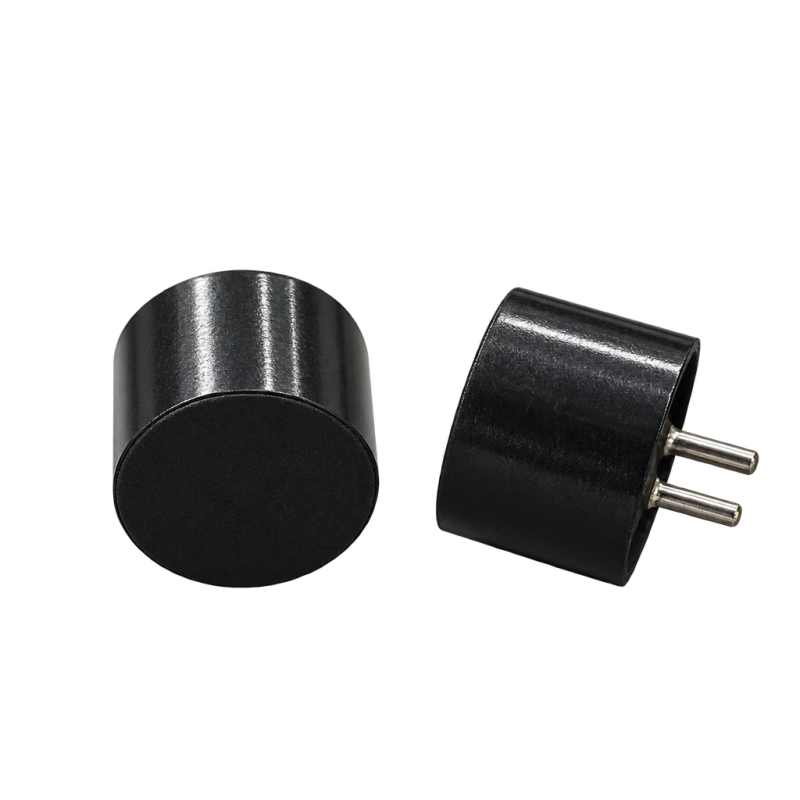
| Body diameter × height | Ø9.9 ± 0.2 mm × 7.3 ± 0.3 mm |
| Terminals | Two pins (+/−); 5.7 ± 0.1 mm pitch |
| تصنيف الحماية | IP64 |
Overall Dimensions / Representative waveforms and Test
التطبيقات النموذجية
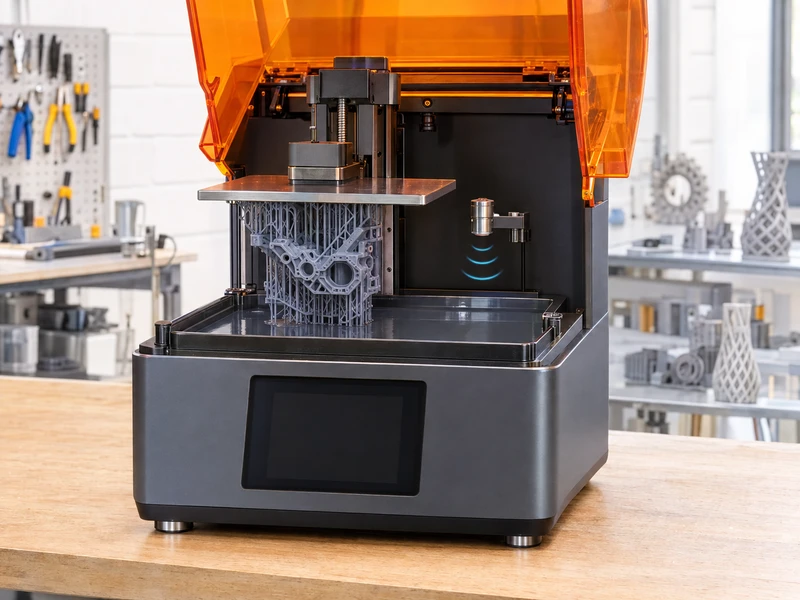
For UV resin level detection in SLA, DLP and LCD 3D printers, mount the transducer above the vat with its face aimed at the liquid surface. Check that the build platform stays clear of the acoustic path throughout its Z travel. The host can track the level continuously or trigger a low resin level alarm at a calibrated threshold.