










1.Introduzione
Nel panorama in rapida evoluzione dell'automazione industriale e della produzione intelligente, la scelta precisa dei sensori è fondamentale per ottenere operazioni di sistema stabili, efficienti e affidabili. Tra la miriade di tecnologie di rilevamento senza contatto, spiccano i sensori a ultrasuoni e a infrarossi (IR), ciascuno dei quali presenta vantaggi unici e si confronta con limiti applicativi diversi. Questo articolo si propone di fornire un'analisi completa, consentendo agli ingegneri di prendere decisioni ottimali sui sensori.
Approfondiremo le differenze fondamentali tra sensori a ultrasuoni e a infrarossi, valutandone l'adattabilità all'ambiente, la robustezza e le considerazioni critiche nell'integrazione dei sistemi. Evidenziando l'impareggiabile resilienza e il valore dei sensori a ultrasuoni e a infrarossi. sensori a ultrasuoni in ambienti industriali difficili, presenteremo anche in modo oggettivo le delicate capacità di rilevamento di sensori a infrarossi in scenari specifici. Il nostro obiettivo è offrire ai lettori preziosi spunti decisionali a lungo termine attraverso un confronto sistematico.
Questo articolo si concentrerà sui seguenti tre aspetti chiave:
- Meccanismi fisici e principi di funzionamento: Illustra le differenze fondamentali tra le tecnologie di rilevamento a ultrasuoni e a infrarossi in termini di sorgenti di segnale, logica di rilevamento, mezzi di propagazione e caratteristiche di risposta.
- Adattabilità e robustezza ambientale: Esplorazione approfondita delle prestazioni di stabilità e delle strategie di compensazione di entrambe le soluzioni di rilevamento in ambienti industriali complessi, con particolare attenzione ai vantaggi significativi della tecnologia a ultrasuoni in ambienti difficili.
- Scenari applicativi tipici ed elementi essenziali di progettazione del sistema: Analizzare le considerazioni critiche sulla progettazione, le strategie di calibrazione precise e le pratiche di fusione multisensore in applicazioni industriali specifiche.
Adottando un approccio sistematico, questa guida fornirà ai lettori chiari spunti di riflessione, aiutandoli a selezionare le soluzioni migliori per le loro specifiche esigenze, costruendo così sistemi di rilevamento stabili, efficienti e conformi alle normative industriali.
2. Principi fondamentali di lavoro a confronto
2.1 Rilevamento a ultrasuoni: Principi fondamentali e misurazione della distanza

- Principio di base: I sensori a ultrasuoni utilizzano l'effetto piezoelettrico per convertire l'energia elettrica in onde sonore ad alta frequenza, che vengono poi emesse verso un bersaglio. Ricevendo gli echi riflessi e misurando con precisione il tempo di andata e ritorno, si determina la distanza dal bersaglio. La velocità del suono è influenzata in modo significativo dalle proprietà fisiche del mezzo (in particolare dalla temperatura) e richiede una compensazione.
- Formula della distanza: Distanza d = (v - t) / 2, dove v è la velocità del suono, approssimativamente 343 m/s in aria a 20°C,, e può essere approssimato da v ≈ 331.4 + 0.6 - T (dove T è in gradi Celsius).
- Caratteristiche del fascio e accoppiamento: I sensori a ultrasuoni emettono onde sonore con angoli di emissione e direttività specifici. L'accoppiamento acustico efficace con il mezzo è fondamentale. La qualità dell'eco è influenzata dall'impedenza acustica del materiale bersaglio, dalla rugosità della superficie e dagli scatterer ambientali.
- Prestazioni e limiti:
- Vantaggi: I sensori a ultrasuoni sono insensibili alle interferenze ottiche e possono penetrare efficacemente in ambienti contenenti particelle come vapore, nebbia e polvere, garantendo un funzionamento stabile in condizioni difficili. La loro dipendenza dal colore, dalla trasparenza o dal materiale del bersaglio è bassa e li rende particolarmente adatti per la misurazione della distanza a medio-lungo raggio, il monitoraggio del livello di liquidi/materiali e l'evitamento generale degli ostacoli, dimostrando un'eccezionale robustezza.
- Limitazioni: La risoluzione è in genere inferiore a quella dei sensori IR e il tempo di risposta è relativamente più lento. La velocità del suono è influenzata dalla temperatura, dall'umidità e dalla densità del mezzo e richiede una calibrazione. Hanno una “zona morta” o “effetto campo vicino” e gli echi possono attenuarsi in modo significativo o soffrire di interferenze multipath con materiali morbidi e fonoassorbenti o strutture superficiali complesse.
2.2 Rilevamento a infrarossi (IR): Principi fondamentali e misurazione della distanza

- Principio di base: I sensori IR emettono fasci di luce nel vicino infrarosso di lunghezza d'onda specifica e analizzano il segnale luminoso riflesso dalla superficie del bersaglio per determinarne la presenza, la distanza o le caratteristiche della superficie.
- Modalità di misurazione della distanza:
- Triangolazione: Misura con precisione la relazione angolare tra l'emettitore, il ricevitore e la luce riflessa per calcolare la distanza del bersaglio, adatto per il rilevamento a distanza ravvicinata e ad alta precisione.
- Tempo di volo (TOF): Misura il tempo impiegato dalla luce IR per raggiungere il bersaglio e tornare al ricevitore. Distanza d ≈ c * t / 2, che richiede una temporizzazione di alta precisione e la soppressione della luce ambientale.
- Prestazioni e limiti:
- Vantaggi: I sensori IR offrono generalmente un'elevata risoluzione spaziale, tempi di risposta rapidi, strutture compatte e costi relativamente bassi. Eccellono nel rilevamento di oggetti a distanza ravvicinata, nel riconoscimento dei bordi e nell'identificazione di colori/tessuti specifici.
- Limitazioni: Le prestazioni sono soggette all'intensità della luce ambientale, alla riflettività della superficie del target (ad esempio, riflessi speculari, materiali altamente assorbenti o altamente trasparenti) e alla trasparenza del mezzo (ad esempio, vapore, polvere, nebbia), con conseguente riduzione della stabilità e dell'affidabilità della misura.
2.3 Punti chiave di confronto (riferimento per la selezione)
Per le applicazioni industriali, le seguenti dimensioni comparative aiutano gli ingegneri a valutare rapidamente l'idoneità:
- Distanza e risoluzione:
- Ultrasuoni: Adatto per misure a medio e lungo raggio. La risoluzione è limitata dalla frequenza e dal design, ma è altamente immune alle interferenze della luce ambientale, con un rapporto segnale/rumore critico.
- IR: Offre un'elevata risoluzione e una risposta rapida a distanza ravvicinata, ma è sensibile alle condizioni ottiche.
- Robustezza ambientale:
- Ultrasuoni: Insensibile alle interferenze ottiche (ad esempio, luce forte, fumo, polvere). Presenta un'eccellente stabilità in presenza di temperature estreme, fluttuazioni di umidità, variazioni del mezzo e in presenza di ostacoli nel percorso del suono.
- IR: Altamente sensibile all'intensità della luce, al colore e alla superficie. L'affidabilità diminuisce notevolmente in ambienti con vapore, polvere o materiali trasparenti.
- Dipendenza dal mezzo e dalla superficie:
- Ultrasuoni: Dipende dalle caratteristiche di riflessione acustica e di accoppiamento del materiale bersaglio. È insensibile al colore e alla trasparenza ottica del bersaglio.
- IR: Dipende in larga misura dalle caratteristiche di riflessione ottica della superficie del bersaglio.
- Costo, dimensioni e complessità di integrazione:
- Ultrasuoni: Dimensioni e costi gestibili, ma richiede attenzione all'accoppiamento acustico, al confezionamento dei trasduttori e alla compensazione della temperatura. L'integrazione può essere leggermente più complessa, ma la sua affidabilità in ambienti difficili spesso produce vantaggi complessivi maggiori.
- IR: Generalmente a basso costo, compatti, facili da integrare, adatti a un'implementazione su larga scala e a basso costo.
2.4 Considerazioni sulla progettazione a livello di sistema e migliori pratiche
Garantire un funzionamento affidabile dei sensori in ambienti industriali complessi richiede considerazioni critiche a livello di progettazione del sistema:
- Compensazione della temperatura e dell'ambiente:
- Ultrasuoni: Gli algoritmi di rilevamento e compensazione della temperatura in tempo reale sono essenziali per correggere l'effetto della temperatura sulla velocità del suono. Nei mezzi liquidi/gas, è necessaria anche la correzione della velocità del suono in base alle variazioni di densità e composizione.
- IR: Richiede di considerare la stabilità della sorgente luminosa, le strategie di soppressione della luce ambientale e la regolazione dinamica della soglia per variare la riflettività della superficie.
- Elaborazione e calibrazione del segnale:
- Ultrasuoni: Richiede tecniche di filtraggio avanzate (ad esempio, filtro di Kalman), algoritmi precisi di rilevamento dei picchi di eco, time-gating per differenziare gli eco validi e soppressione delle interferenze multipath. È possibile implementare anche la fusione dei segnali in array multi-sonda.
- IR: Si tratta di ottimizzare le soglie di luminosità, di sopprimere efficacemente il rumore, di calibrare in modo continuo e adattivo i modelli di riflessione della superficie e di migliorare la robustezza in condizioni complesse attraverso misure a più punti o a più angoli.
- Fusione multisensore: In scenari industriali estremamente complessi, un'unica tecnologia di rilevamento spesso non è in grado di soddisfare tutti i requisiti. Fondendo in modo intelligente le uscite dei sensori a ultrasuoni e a infrarossi è possibile realizzare sistemi di rilevamento più robusti, ridondanti e completi, sfruttando in particolare la forte adattabilità ambientale degli ultrasuoni.
- Sicurezza e affidabilità: La stabilità a lungo termine, la facilità di manutenzione e la praticità della calibrazione in loco devono essere considerate fondamentali fin dall'inizio della progettazione.
2.5 Insidie comuni e strategie per evitarle
Gli ingegneri spesso cadono nelle seguenti insidie durante la selezione e l'applicazione dei sensori:
- Trappola 1: Concentrarsi esclusivamente su una singola specifica tecnica (ad esempio, la portata massima o la risoluzione più elevata) trascurando la complessità dell'ambiente operativo effettivo, i costi di manutenzione a lungo termine e la stabilità complessiva del sistema.
- Strategia: Adottare un approccio di valutazione olistico, considerando l'adattabilità ambientale, l'MTBF (Mean Time Between Failures), i cicli di calibrazione e la complessità della manutenzione.
- Trappola 2: Sottovalutazione dell'impatto di fattori ambientali come la temperatura, l'umidità e la composizione del prodotto sulle prestazioni effettive del sensore, con conseguenti deviazioni significative dai valori calibrati.
- Strategia: Eseguire una valutazione completa delle condizioni ambientali durante la fase di progettazione e assicurarsi che il sensore selezionato disponga di meccanismi di compensazione adeguati o utilizzare prodotti di livello industriale in grado di affrontare condizioni estreme. Per i sensori a ultrasuoni, la compensazione della temperatura è indispensabile. Per verificare le prestazioni è consigliabile eseguire test in loco su piccola scala.
- Trappola 3: Trattare i parametri fisici dei sensori ottici o acustici in modo isolato, senza riconoscere l'effetto sinergico dei componenti del sistema come i circuiti di pilotaggio, le unità di elaborazione del segnale, l'imballaggio meccanico e i metodi di montaggio sulle prestazioni finali.
- Strategia: Dal punto di vista dell'ingegneria dei sistemi, il sensore deve essere visto come un anello dell'intera catena di rilevamento. L'ottimizzazione deve riguardare l'intero percorso, dall'acquisizione del segnale all'emissione dei dati, garantendo un elevato coordinamento e un'elevata corrispondenza tra i componenti.
2.6 Sintesi
Le tecnologie di rilevamento a ultrasuoni e a infrarossi presentano vantaggi e limiti distinti e si completano a vicenda. I sensori a ultrasuoni, grazie alla loro eccellente robustezza ambientale e alla capacità di penetrazione in ambienti medi, dimostrano un valore insostituibile in ambienti difficili come il vapore, i mezzi torbidi e la polvere ad alta concentrazione, fornendo informazioni stabili sulla distanza non influenzate dalla luce e dalle proprietà ottiche della superficie del bersaglio. I sensori IR, invece, eccellono nell'acquisizione di informazioni ottiche ad alta risoluzione e a distanza ravvicinata, nel riconoscimento di colori e texture e in applicazioni simili. La selezione ottimale deve essere guidata dai requisiti effettivi dello scenario applicativo e le strategie di fusione multi-sensore devono essere considerate attivamente per migliorare la robustezza e l'accuratezza del sistema complessivo. Per garantire capacità di rilevamento industriali ottimali, si raccomanda una valutazione completa dei parametri e delle soluzioni dei sensori selezionati attraverso prototipi e prove sul campo.
3. Guida rapida alle decisioni: Quando scegliere gli ultrasuoni e quando gli IR
Questo capitolo fornisce un quadro decisionale pratico per gli ingegneri, bilanciando l'ambiente operativo, i requisiti di distanza/risoluzione, le caratteristiche della superficie del bersaglio e i costi del sistema.
3.1 Dimensioni decisionali chiave
- Ambiente e condizioni del mezzo:
- Quando la luce ambientale è complessa, i bersagli sono altamente riflettenti, sono presenti materiali trasparenti o vapore, nebbia e polvere causano interferenze ottiche, la tecnologia a ultrasuoni è una scelta più affidabile grazie ai suoi principi acustici superiori.
- Requisiti di distanza e risoluzione:
- Per le misure a medio-lungo raggio, la bassa dipendenza dalle proprietà ottiche, la stima stabile della distanza o la capacità di penetrare in ambienti con interferenze, le soluzioni a ultrasuoni offrono prestazioni migliori.
- Per il rilevamento di dettagli a distanza ravvicinata e ad alta risoluzione con velocità di aggiornamento molto elevate, i sensori IR offrono generalmente vantaggi in termini di risoluzione e velocità di risposta.
- Superficie di destinazione e dipendenza dal mezzo:
- Se le proprietà acustiche del mezzo bersaglio hanno un impatto minimo sulle misure o se le condizioni ottiche dell'ambiente operativo non possono essere controllate efficacemente, le soluzioni acustiche/ultrasoniche presentano generalmente una maggiore robustezza, poiché non si basano sulle caratteristiche visive del bersaglio.
- Se il colore, la consistenza, la lucentezza o il rivestimento della superficie del bersaglio influiscono in modo significativo sulla riflessione e sull'assorbimento del segnale ottico, è necessario prestare particolare attenzione alla dipendenza del sensore dalle caratteristiche superficiali.
- Costi di integrazione e manutenzione del sistema:
- Le soluzioni a ultrasuoni eccellono per la loro robustezza ambientale. Sebbene possano richiedere una maggiore integrazione a livello di sistema (ad esempio, ottimizzazione dell'accoppiamento acustico, algoritmi di compensazione di temperatura/medio), la loro stabilità a lungo termine in ambienti difficili spesso si traduce in maggiori benefici totali del ciclo di vita.
- I sensori IR sono tipicamente compatti, meno costosi e più facili da installare, il che li rende adatti ad applicazioni su larga scala e a bassa manutenzione.
3.2 Scelte rapide basate su scenari
Ecco le tendenze di selezione rapida per gli scenari industriali tipici:
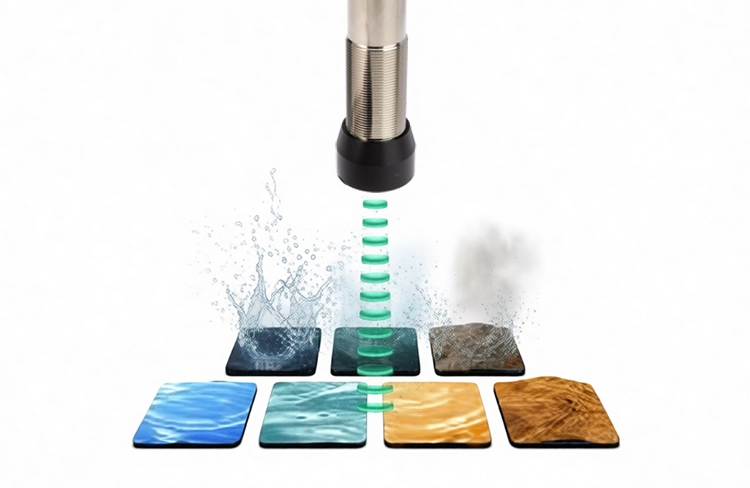
- Scenario A: Misura di livello di liquidi/materiali, rilevamento dei limiti o funzionamento in ambienti con elevata presenza di vapore, nebbia o polvere.
- Tendenza alla selezione: Preferibilmente a ultrasuoni. Insensibile alle interferenze ottiche, in grado di penetrare o aggirare efficacemente il particolato e l'umidità, offre una robustezza significativamente maggiore.
- Scenario B: Misura della distanza che richiede la penetrazione o l'ignoranza del colore/tessitura della superficie, con una distanza di destinazione relativamente lunga.
- Tendenza alla selezione: Più adatto agli ultrasuoni. Fornisce una stima stabile della distanza, non influenzata dalle proprietà ottiche della superficie del bersaglio.
- Scenario C: Rilevamento dei bordi a distanza ravvicinata e ad alta risoluzione con buone condizioni di illuminazione e interferenze ambientali minime.
- Tendenza alla selezione: IR più vantaggioso. Offre un'alta risoluzione, una risposta rapida ed è conveniente in termini di costi e dimensioni.
- Scenario D: Forte contrasto visivo, superfici pulite e una richiesta molto elevata di rapida consapevolezza della situazione.
- Tendenza alla selezione: I raggi infrarossi possono essere utilizzati per il rilevamento rapido e il posizionamento ad alta risoluzione. Tuttavia, occorre considerare i potenziali impatti dell'interferenza ottica e delle variazioni delle condizioni della superficie sulla stabilità della misura.
- Scenario E: Condizioni complesse che richiedono la fusione di più sensori (ad esempio, navigazione + identificazione dei confini + monitoraggio ambientale).
- Tendenza alla selezione: È preferibile una strategia combinata. Valutare prioritariamente schemi efficienti di elaborazione e fusione del segnale, quindi determinare la proporzione e la combinazione delle singole tecnologie di rilevamento in base alle esigenze specifiche.
3.3 Elementi essenziali di progettazione del sistema
- Compensazione della temperatura e del fluido:
- Ultrasuoni: Il monitoraggio in tempo reale e la compensazione degli effetti significativi della temperatura, dell'umidità e della densità del mezzo sulla velocità del suono sono obbligatori.
- IR: Regolazione dinamica dell'intensità luminosa, soglie di riflessione superficiale.
- Elaborazione e calibrazione del segnale:
- Ultrasuoni: Utilizza un filtraggio avanzato, un rilevamento preciso dei picchi di eco e un time-gating per sopprimere le interferenze multipath.
- IR: Ottimizza le soglie di luminosità, la soppressione del rumore e la calibrazione dinamica adattiva.
- Manutenzione e affidabilità:
- Ultrasuoni: La stabilità a lungo termine dell'interfaccia di accoppiamento acustico, la durata dell'incapsulamento in diversi mezzi e la semplificazione della calibrazione del campo sono fondamentali.
- IR: La pulizia dei componenti ottici e le potenziali variazioni della riflettività della superficie del target sono punti chiave per la manutenzione.
- Costo e velocità di implementazione:
- Ultrasuoni: Sebbene i costi iniziali di progettazione e integrazione possano essere leggermente superiori, il rapporto costo-efficacia del ciclo di vita totale è spesso superiore nelle applicazioni industriali che richiedono un'elevata robustezza e una forte tolleranza ambientale.
- IR: Costo iniziale più basso e implementazione più rapida.
3.4 Lista di controllo per le decisioni rapide
- Privilegiare gli ultrasuoni quando:
- L'ambiente di lavoro presenta interferenze ottiche come vapore, nebbia, polvere o fumo.
- La misurazione deve penetrare nei supporti opachi o è insensibile al colore/trasparenza del target.
- La distanza di misurazione è lunga e richiede informazioni stabili e affidabili sulla distanza.
- Le caratteristiche del mezzo (ad esempio, temperatura e umidità) possono essere compensate efficacemente, oppure il sensore stesso ha una forte adattabilità ambientale.
- Dare priorità alle IR quando:
- Le condizioni di luce ambientale sono buone o controllabili e la riflettività della superficie del bersaglio è stabile.
- È necessario un raggio d'azione ravvicinato, un'alta precisione e un'elevata velocità di risposta.
- Molto attenti ai costi, alla ricerca di un'implementazione rapida e semplice.
- Il compito principale è quello di identificare colori, strutture, disegni o piccoli oggetti.
- Privilegiare la fusione multisensore quando:
- Le richieste di applicazione comportano molteplici compiti complessi come la navigazione, l'identificazione dei confini e il monitoraggio ambientale.
- Un singolo sensore non può soddisfare tutti i requisiti di prestazione o di robustezza.
- Cercare un'affidabilità di sistema e una tolleranza ai guasti estremamente elevate.
- Principio fondamentale: Per la misurazione della distanza indipendentemente dalle caratteristiche del materiale/mezzo, o quando si opera in ambienti complessi e difficili, gli ultrasuoni offrono vantaggi ineguagliabili. Per il posizionamento ad alta risoluzione e a distanza ravvicinata con condizioni di superficie controllate, spesso si preferisce l'IR.
3.5 Sintesi del confronto rapido
- Gli ultrasuoni sono adatti per: Ambienti con interferenze ottiche significative (ad esempio, vapore, nebbia, polvere), che richiedono la penetrazione di mezzi opachi, lunghe distanze di misura o una forte resistenza alle variazioni delle caratteristiche del mezzo.
- IR è adatto per: Applicazioni a distanza ravvicinata e ad alta risoluzione con condizioni ottiche stabili, sensibili ai costi e incentrate sul riconoscimento ottico delle caratteristiche.
4. Confronto approfondito dei tipici scenari applicativi industriali
4.1 Applicazioni in cui i sensori a ultrasuoni presentano maggiori vantaggi
4.1.1 Monitoraggio del livello dei liquidi e dei materiali
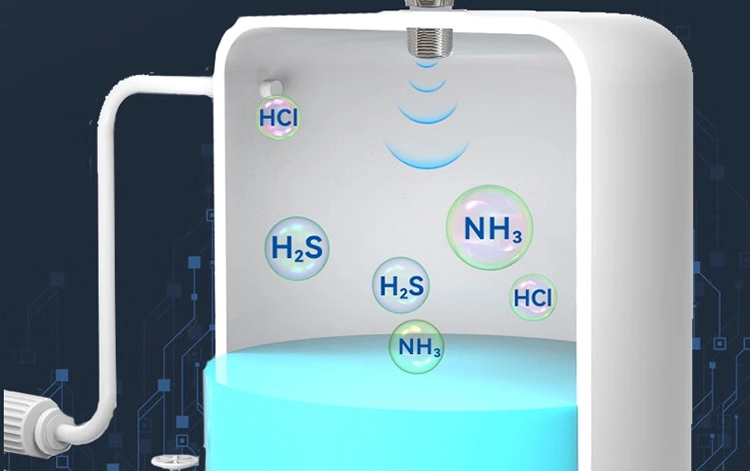
- Scenario: Il monitoraggio del livello di serbatoi e silo deve spesso affrontare sfide come vapore, schiuma, macchie d'olio, sostanze corrosive e fluttuazioni di temperatura.
- Confronto: La tecnologia a ultrasuoni non si basa sulla trasmissione ottica e può penetrare efficacemente nel vapore, nella schiuma e nei mezzi torbidi, fornendo informazioni stabili e affidabili sulla distanza. I sensori ottici/IR mostrano una stabilità significativamente ridotta in queste condizioni.
- Conclusione: Sensori a ultrasuoni sono la scelta preferita per il monitoraggio del livello di liquidi/materiali grazie alla loro eccellente robustezza ambientale e alla capacità di penetrazione di medie dimensioni.
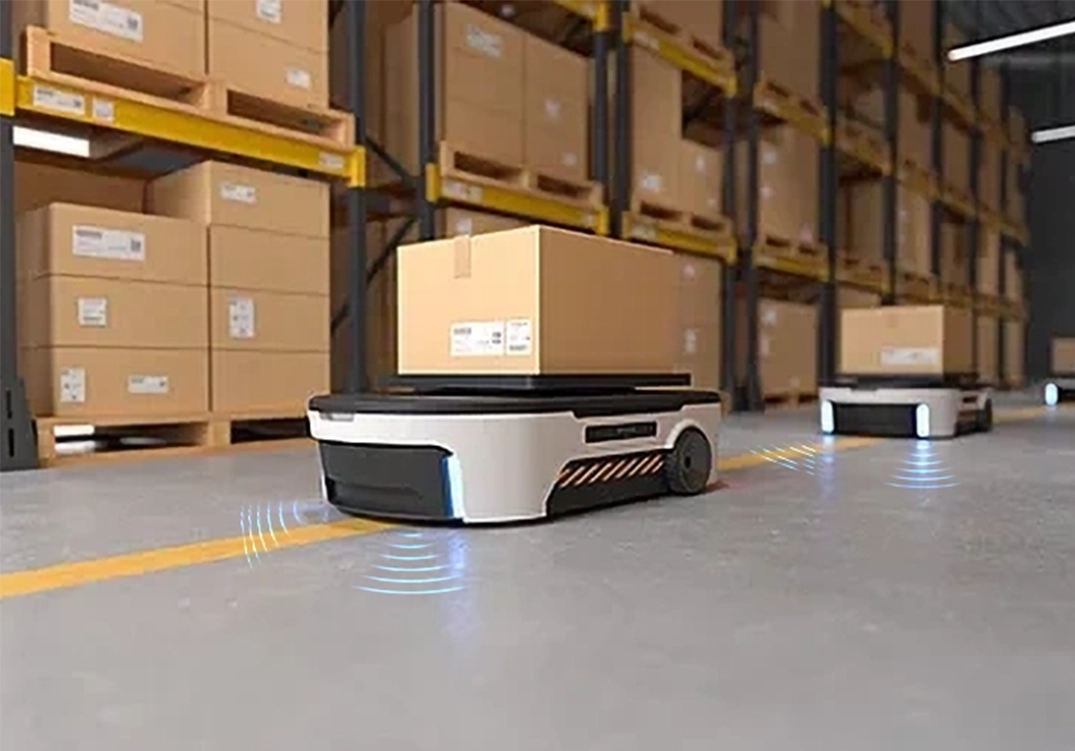
- Scenario: Gli AGV evitano gli ostacoli e navigano in magazzini aperti, linee di produzione, ecc., soggetti a polvere, riflessi del terreno, condizioni di umidità e luce ambientale variabile.
- Confronto: I sensori a ultrasuoni sono più resistenti ai riflessi del terreno, alla polvere ambientale e all'umidità, forniscono giudizi più stabili sulla distanza e sono particolarmente adatti a rilevare ostacoli neri o trasparenti. I sensori IR sono soggetti a false letture o a guasti in caso di illuminazione instabile o di oggetti trasparenti.
- Conclusione: Sensori a ultrasuoni sono dominanti in questo scenario; la loro affidabilità in ambienti operativi AGV complessi e dinamici è superiore alle soluzioni puramente ottiche.
4.1.3 Rilevamento dei bordi e guida al web
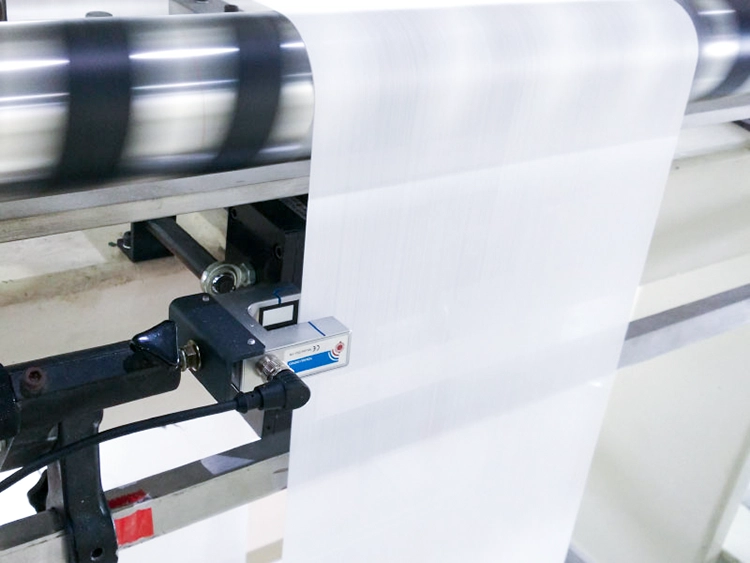
- Scenario: Nelle linee di produzione industriali, come quelle di film, carta e tessuti, è necessario un riconoscimento dei bordi di alta precisione. I materiali trasparenti o con motivi aumentano notevolmente la difficoltà del rilevamento ottico.
- Confronto: I sensori a ultrasuoni, non essendo influenzati dalle proprietà ottiche, dimostrano una maggiore robustezza nel rilevare i bordi di pellicole trasparenti, di materiali modellati o contaminati, fornendo informazioni più coerenti sulla distanza. I sensori IR offrono un'elevata risoluzione quando le superfici sono pulite e le condizioni ottiche sono stabili.
- Conclusione: In condizioni di contaminazione superficiale, fluttuazioni di luce o durante la manipolazione di materiali trasparenti/modellati, ultrasuoni sono più robusti. I sensori IR presentano vantaggi quando le superfici sono pulite e le condizioni ottiche sono controllabili.
4.1.4 Rilevamento del doppio foglio
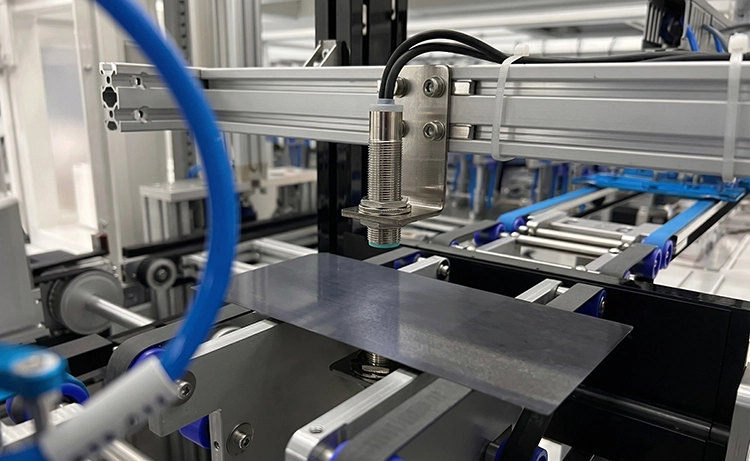
- Scenario: Nei settori della stampa, dell'imballaggio e della lavorazione dei metalli, è fondamentale distinguere con precisione i fogli singoli da quelli doppi. Materiali trasparenti, spessori diversi e caratteristiche della superficie influiscono sull'attenuazione del segnale.
- Confronto: I sensori a ultrasuoni sono insensibili alle differenze di supporto (foglio singolo o doppio) e alle interferenze ottiche. Sono in grado di distinguere in modo stabile diversi spessori di materiale, senza essere influenzati da colore, trasparenza o modelli di stampa. I sensori IR sono soggetti a fluttuazioni con interferenze ottiche.
- Conclusione: Sensori a ultrasuoni sono la tecnologia leader in questo scenario grazie alla loro eccellente robustezza nella gestione di materiali diversi e ambienti ottici complessi.
4.1.5 Rilevamento del diametro e della distanza del rotolo
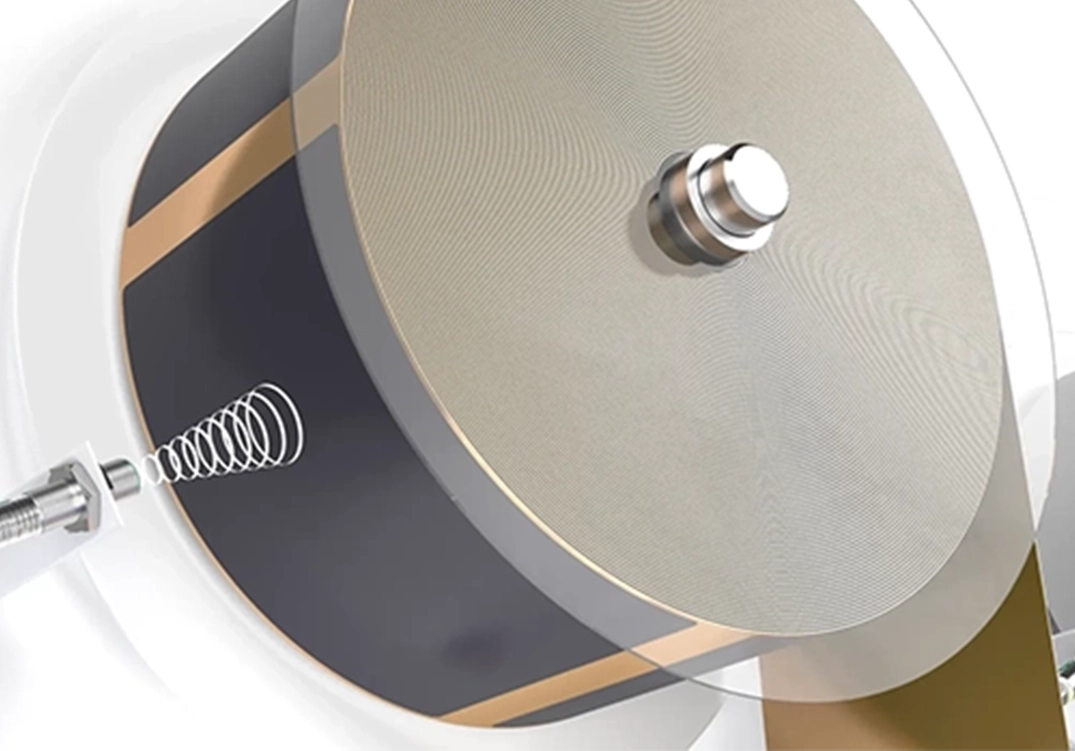
- Scenario: La misurazione continua del diametro dei rotoli (ad esempio, carta, film, cavi) è fondamentale per una produzione stabile e un controllo preciso della tensione. Le variazioni del colore, della lucentezza o del rivestimento superficiale dei rotoli influiscono in modo significativo sulle misurazioni ottiche.
- Confronto: I sensori a ultrasuoni sono insensibili all'aspetto del target (colore, lucentezza, rivestimento) e forniscono misure di distanza stabili e affidabili per un calcolo preciso del diametro del rotolo. I sensori IR faticano a mantenere la stabilità della misura quando si verificano cambiamenti significativi nel colore o nella lucentezza della superficie del rotolo.
- Conclusione: Sensori a ultrasuoni dimostrano una maggiore robustezza nel rilevamento del diametro del rotolo e della distanza, soprattutto in scenari di rotolo con luce forte o aspetto complesso, dove le loro prestazioni sono significativamente superiori a quelle dei sensori IR.
4.1.6 Rilevamento del materiale
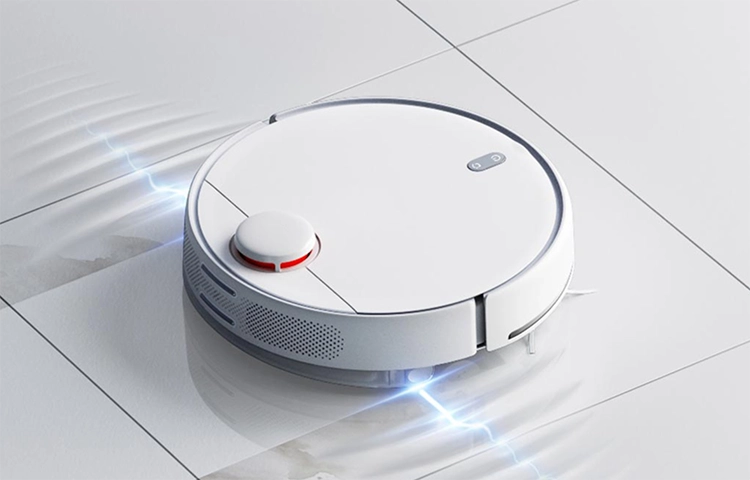
- Scenario: Emettendo onde sonore e analizzando le onde riflesse dall'oggetto in esame, il calcolo dell'energia assorbita e attenuata all'interno del materiale consente di dedurre con precisione la sua composizione, densità, porosità o struttura interna. Ciò è fondamentale per l'identificazione del materiale, il controllo di qualità o la valutazione delle prestazioni.
- Confronto: I sensori a ultrasuoni sono in grado di differenziare efficacemente vari materiali e di quantificarne le proprietà interne (ad esempio, identificando i tipi di plastica, rilevando il contenuto di resina nei materiali compositi o valutando la densità del calcestruzzo) analizzando la velocità di propagazione delle onde sonore, i tassi di attenuazione e i modelli di assorbimento dell'energia all'interno dei diversi materiali. Inoltre, presentano una forte immunità alle condizioni ottiche della superficie del materiale. I segnali ottici (IR) sono utilizzati principalmente per il rilevamento di caratteristiche superficiali e hanno una capacità limitata di acquisire informazioni sull'assorbimento e l'attenuazione interna.
- Conclusione: Sensori a ultrasuoni sono la tecnologia dominante per la caratterizzazione e l'identificazione dei materiali grazie alla loro eccellente capacità di penetrazione e alla sensibilità alle caratteristiche di assorbimento e attenuazione acustica interna, garantendo un'analisi non distruttiva più affidabile e approfondita.
4.1.7 Rilevamento della distanza o della presenza in ambienti difficili
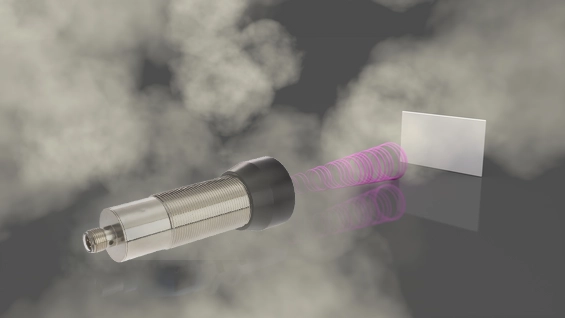
- Scenario: Gli ambienti industriali presentano spesso condizioni difficili come polvere, fumo, umidità, luce forte e temperature estreme, che rendono difficile il funzionamento stabile dei sensori ottici (compresi quelli IR).
- Confronto: Le onde sonore hanno una forte capacità di penetrazione, che consente ai sensori a ultrasuoni di funzionare bene in ambienti difficili, pieni di particolato o di luce forte, senza essere interferiti direttamente dal mezzo. Le soluzioni ottiche come l'IR sono altamente suscettibili a questi fattori ambientali, con conseguente degrado delle prestazioni o guasti.
- Conclusione: In ambienti industriali difficili, i sistemi di rilevamento a ultrasuoni hanno come priorità il mantenimento di un'elevata robustezza, affidabilità e capacità operativa continua.
4.2 Applicazioni in cui i sensori IR presentano maggiori vantaggi
4.2.1 Rilevamento di piccoli oggetti ad alta precisione

- Scenario: Il rilevamento di oggetti estremamente piccoli e in rapido movimento, come fili sottili, aghi o componenti microelettronici, è spesso richiesto in settori come l'assemblaggio elettronico e il confezionamento medico.
- Confronto: I sensori fotoelettrici IR raggiungono una precisione di rilevamento degli oggetti a livello di micron e tempi di risposta estremamente rapidi su brevi distanze, grazie al fascio di luce molto stretto e all'elevata frequenza di commutazione. La lunghezza d'onda e la zona morta minima delle onde sonore a ultrasuoni limitano la loro capacità di rilevare bersagli estremamente piccoli.
- Conclusione: Questo scenario è più adatto alla tecnologia di rilevamento IR per il rilevamento di piccoli oggetti ad alta precisione.
4.2.2 Barriera fotoelettrica di sicurezza per porte/ingressi

- Scenario: Il rilevamento rapido di oggetti o persone su un'ampia area in corrispondenza di apparecchiature automatizzate, postazioni di lavoro robotiche o ingressi/uscite è necessario per garantire la sicurezza dell'operatore.
- Confronto: Le barriere fotoelettriche di sicurezza a infrarossi o gli interruttori fotoelettrici formano una zona di protezione utilizzando più fasci di luce IR, garantendo un rilevamento rapido e affidabile degli ostacoli. Sono convenienti e relativamente semplici da installare. L'implementazione di una copertura su vasta area con sensori a ultrasuoni aumenta i costi e la complessità del cablaggio.
- Conclusione: Questo scenario è più adatto alle barriere fotoelettriche di sicurezza a infrarossi come soluzione primaria.
5. Conclusione
In sintesi, sebbene le tecnologie di rilevamento a ultrasuoni e a infrarossi differiscano nei loro principi di funzionamento e nelle loro limitazioni, esse possiedono una profonda complementarità nel soddisfare le diverse esigenze dell'automazione industriale. I sensori a ultrasuoni, grazie alla loro eccezionale robustezza ambientale, all'immunità alle interferenze ottiche e alla forte capacità di penetrazione nel mezzo, dimostrano vantaggi unici e insostituibili e un valore eccezionale in condizioni industriali complesse, come il monitoraggio del livello di liquidi/materiali, l'evitamento di ostacoli AGV, il rilevamento di doppi fogli, l'analisi di materiali interni e il rilevamento di distanza/presenza in ambienti difficili. I sensori a infrarossi, invece, eccellono nell'acquisizione di informazioni ottiche ad alta risoluzione e a distanza ravvicinata, nel riconoscimento preciso di colori e texture e nel rilevamento ad alta velocità di piccoli oggetti.
La scelta definitiva tra queste due tecnologie, o la loro combinazione strategica, dipende da una valutazione completa dei requisiti applicativi specifici. Per gli scenari industriali critici e complessi, l'adozione attiva di una strategia di fusione multi-sensore, che combina la forte adattabilità ambientale dei sensori a ultrasuoni con le caratteristiche di alta risoluzione dei sensori a infrarossi, è fondamentale per migliorare significativamente la robustezza, l'accuratezza e l'affidabilità complessive del sistema.
Raccomandiamo vivamente una prototipazione rigorosa e test completi sul campo per qualsiasi soluzione di sensori scelta. Questo approccio meticoloso garantisce che il sistema di rilevamento implementato non solo soddisfi le esigenze operative immediate, ma offra anche prestazioni e conformità ottimali a lungo termine negli ambienti industriali, stabilendo in ultima analisi un vantaggio competitivo nella produzione intelligente.
FAQ
Q1: Quali sono le considerazioni principali da fare quando si utilizzano i sensori a ultrasuoni per la misurazione dei liquidi?
A1: Le considerazioni principali includono:
- Compensazione della temperatura: La velocità del suono del liquido varia in modo significativo con la temperatura; la compensazione in tempo reale è essenziale.
- Liquido Stato della superficie: Schiuma o increspature influenzano gli echi; utilizzare sensori ad alta frequenza e a raggio stretto, elaborazione del segnale o tubi di calma.
- Proprietà liquide: L'alta viscosità o i solidi in sospensione possono aumentare l'attenuazione del suono.
- Resistenza alla corrosione: I materiali dei sensori devono resistere alla corrosione dei liquidi per garantire una lunga durata.
- Posizione di montaggio: Evitare le zone morte e garantire percorsi sonori chiari.
D2: Qual è la differenza fondamentale tra l'effetto della polvere e della nebbia sui sensori a ultrasuoni e quelli a infrarossi?
A2: L'impatto è sostanzialmente diverso:
- Sensori a ultrasuoni: Le onde sonore, con lunghezze d'onda maggiori, penetrano o aggirano le particelle in modo più efficace, per cui sono meno colpite. La sfida principale è l'effetto della temperatura sulla velocità del suono, non le particelle stesse.
- Sensori IR: La luce viene diffusa, assorbita e rifratta, causando una significativa attenuazione dell'energia del segnale, che spesso porta a guasti o errori.
Conclusione: I sensori a ultrasuoni sono generalmente più robusti dei sensori IR in ambienti polverosi o nebbiosi.
D3: Come si deve selezionare l'angolo del fascio del sensore o l'area di rilevamento appropriata?
A3:
- Ultrasuoni (angolo del fascio): I fasci stretti (ad esempio, 10°) offrono un'ampia copertura per evitare gli ostacoli.
- IR (Area di rilevamento): Lo spot focalizzato/stretto serve per il rilevamento ad alta precisione di piccoli oggetti; l'ampia area di rilevamento/riflessione diffusa serve per il rilevamento generale degli ostacoli.
Strategia di selezione: In base alle caratteristiche dell'obiettivo, all'ambiente, alla precisione di montaggio e alle esigenze di reiezione delle interferenze.
D4: I sensori IR possono rilevare oggetti trasparenti?
A4: I sensori IR devono affrontare problemi con gli oggetti trasparenti, poiché la maggior parte della luce IR passa attraverso di essi, producendo deboli riflessi. Le prestazioni dipendono dal materiale, dallo spessore e dall'angolo. Le soluzioni comprendono il montaggio angolare, la soppressione dello sfondo o le piastre retroriflettenti. Per un'elevata affidabilità o per ambienti complessi, spesso si preferiscono i sensori a ultrasuoni.
D5: Quali sono i requisiti specifici per i materiali e le classi di protezione dei sensori a ultrasuoni e IR nell'industria alimentare e farmaceutica?
A5: Sono richiesti rigorosi standard di igiene e sicurezza:
- Materiali: Tutte le parti a contatto devono essere di tipo alimentare/medicale (ad esempio, acciaio inox 304L/316L, PTFE), con superfici lucidate a specchio e senza l'aggiunta di sostanze nocive.
- Classe di protezione: Almeno IP67 o IP68, per resistere a frequenti lavaggi e sterilizzazioni ad alta pressione.
- Ultrasuoni Specifiche: Il materiale di incapsulamento del front-end del trasduttore deve essere di tipo alimentare.
- Specifiche IR: I materiali delle finestre ottiche devono essere facili da pulire, resistenti alla corrosione e mantenere la trasparenza ottica.
Sintesi: Oltre alla funzione, sono fondamentali la conformità igienica dei materiali, la resistenza alla corrosione e la classe di protezione più elevata. Si consigliano prodotti con certificazioni pertinenti (ad esempio, EHEDG).
-
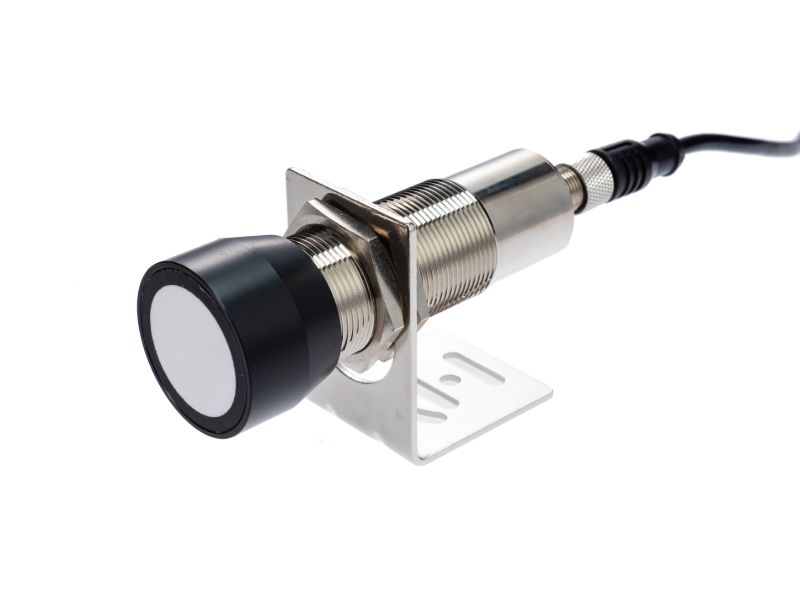
ISSRSensor 4M Sensore di livello a ultrasuoni tutto in uno Interruttore di distanza/uscita analogica/digitale
-
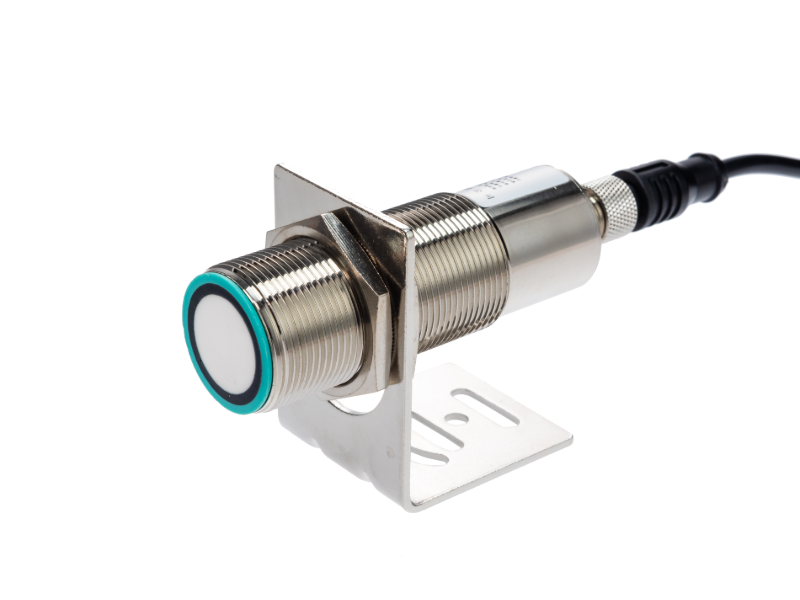
ISSRSensor Sensore di livello a ultrasuoni per liquidi 2M completamente integrato
-
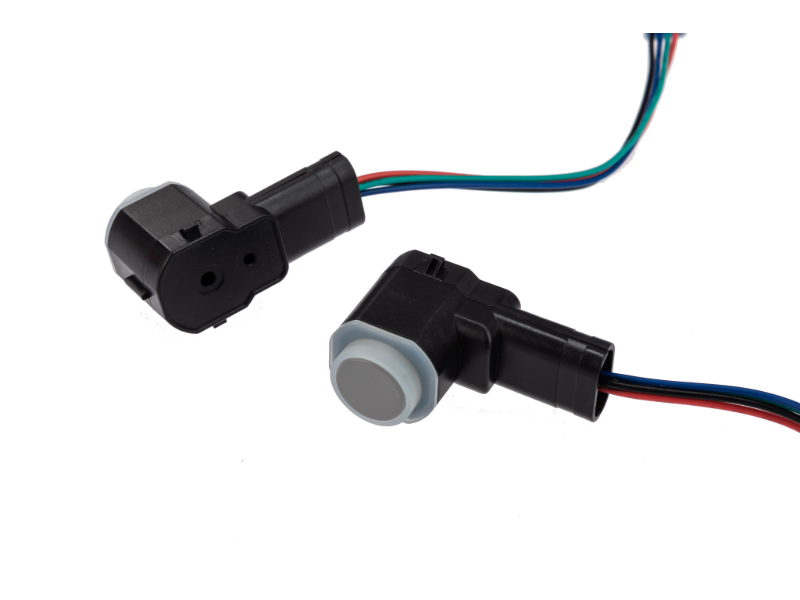
ISSRSensor 1M 58kHz Sensore a ultrasuoni AGV per evitare gli ostacoli
-
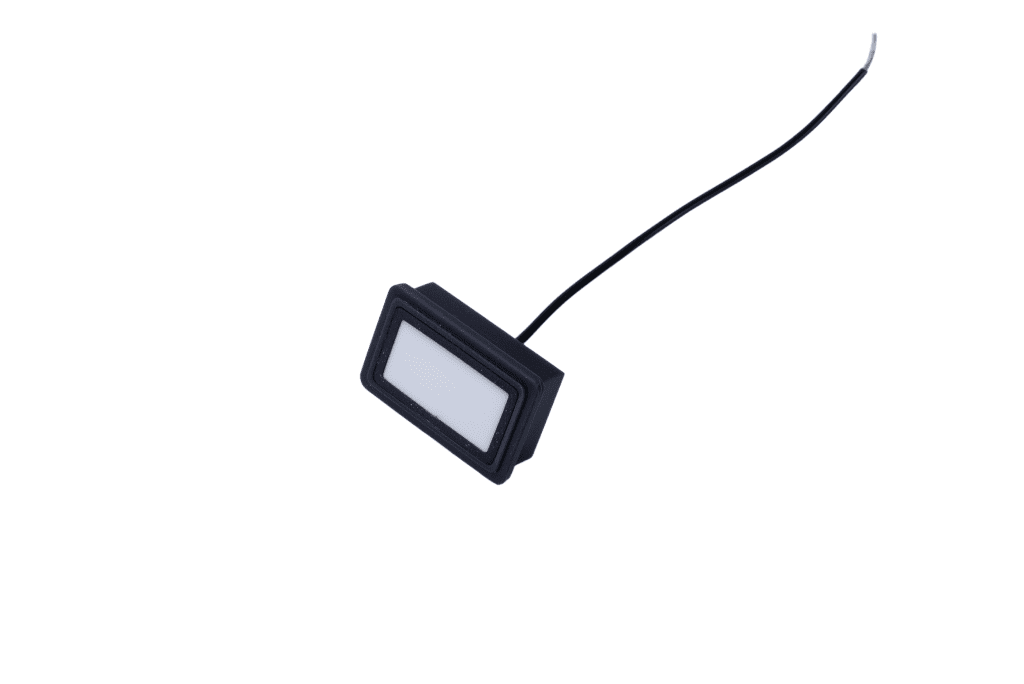
ISSRSensor Sensore a ultrasuoni a guida Web Trasduttore 160kHz - Sonda rettangolare per il rilevamento e la correzione dei bordi
-
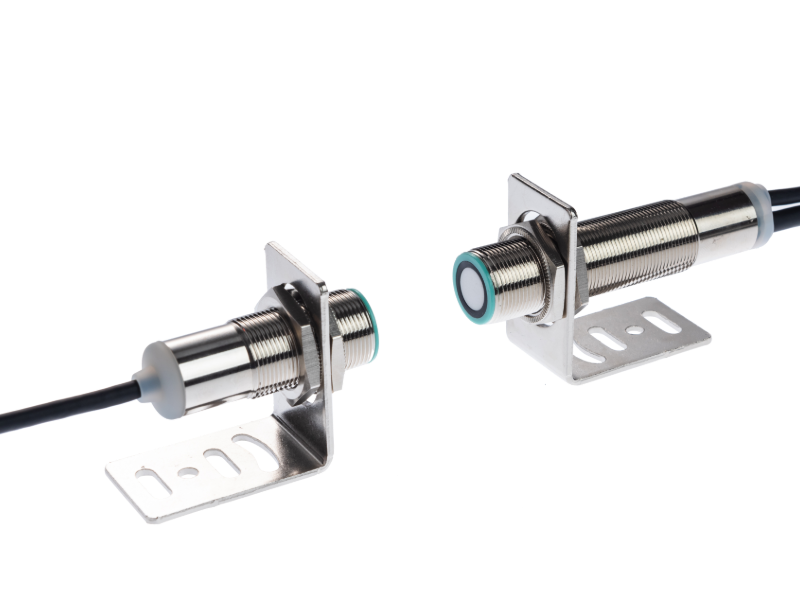
ISSRSensor Sensore a ultrasuoni a doppia lastra | Rilevamento multimateriale per l'automazione
-
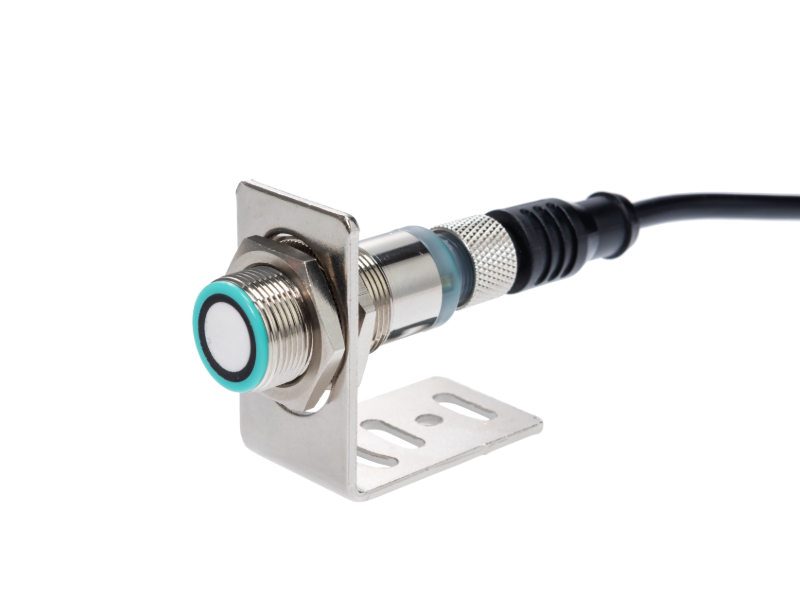
ISSRSensor 500 mm Sensore di distanza a ultrasuoni ad alta precisione a breve distanza|200kHz
-
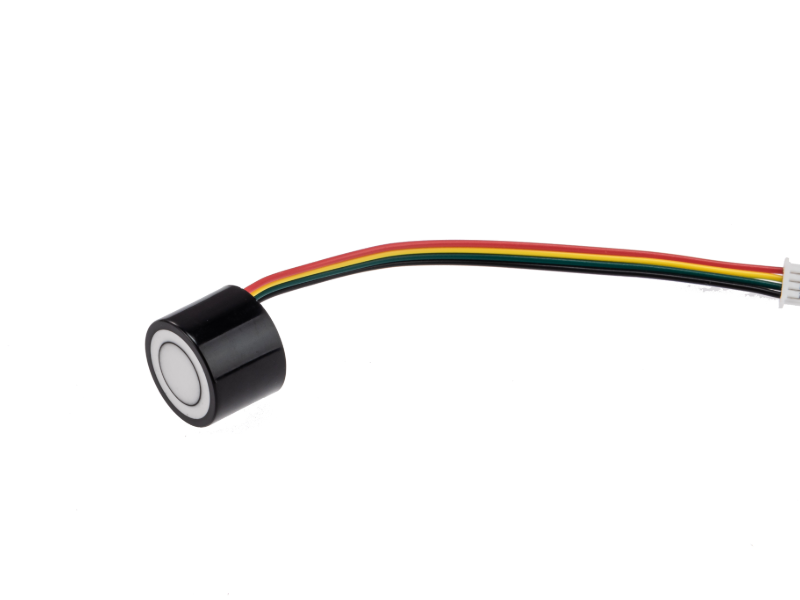
ISSRSensor 300kHz Sensore a ultrasuoni per il controllo dei materiali per aspirapolvere robotici