


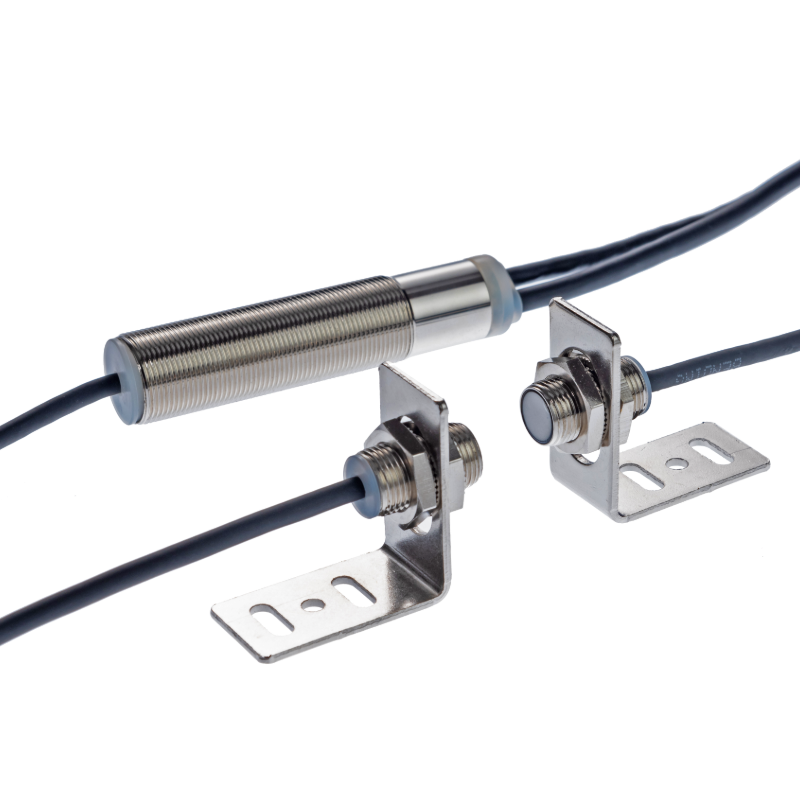
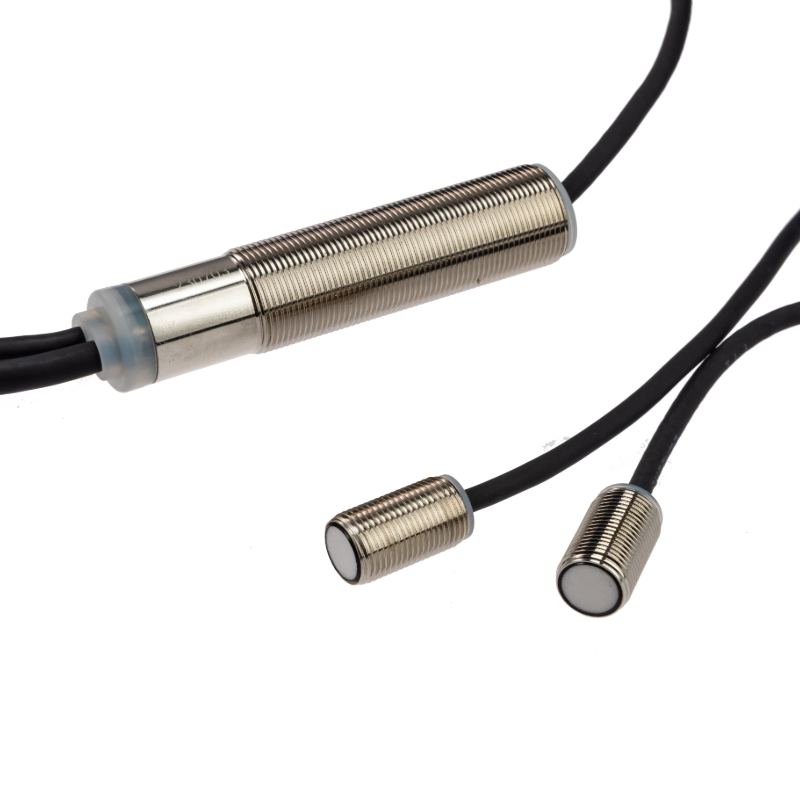
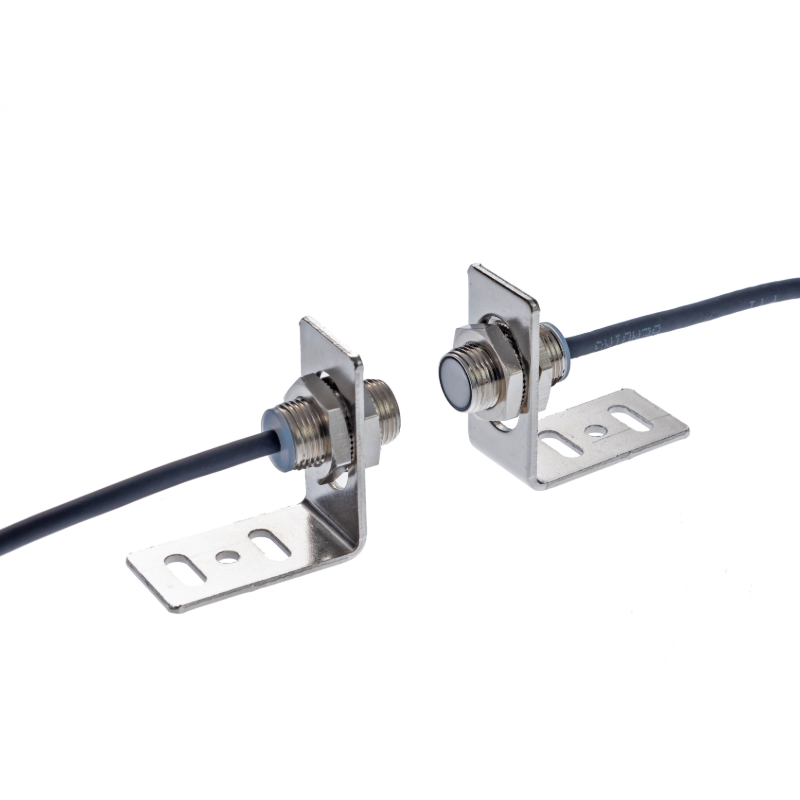
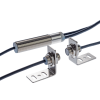
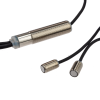
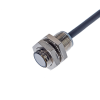
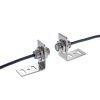
ISUDB40-12GM75
ISSR M12 Ultrasonic Dual-Tension Detection Sensor
High Frequency Ultrasonic, Through Beam Technology, Material Overlap Detection, Lithium Battery Manufacturing, Splice Detection, NPN PNP Output, Packaging Machine Sensor, Print Quality Control, M12 Housing, Industrial Automation Safety
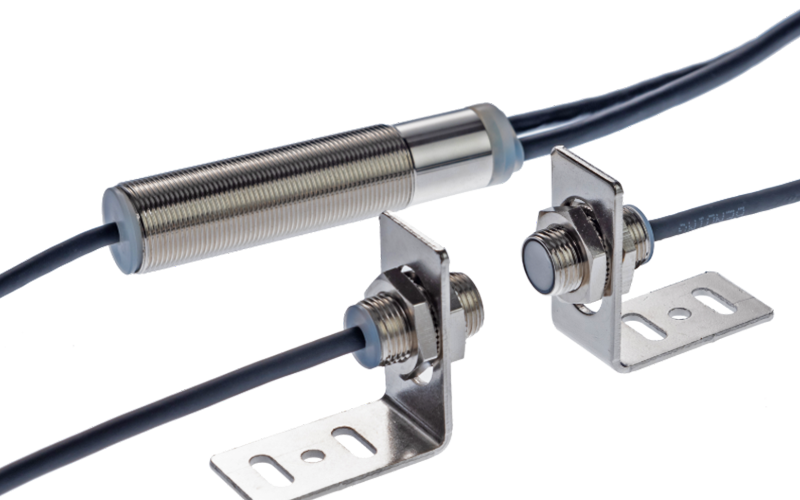
Designed for high-speed industrial environments, this sensor utilizes advanced 300kHz ultrasonic technology to distinguish between empty, single, and double sheets with unmatched reliability.
Whether you are handling transparent films, paper, metal foils, or lithium battery electrode sheets, this sensor eliminates the risk of machine downtime caused by multi-layer feeds.
Why Choose High-Frequency 300kHz Technology?
Unlike standard proximity sensors, our 300kHz ultrasonic system uses a through-beam principle that measures the attenuation of sound waves passing through the material.
Material Independence: It is unaffected by color, transparency, or surface gloss. Even highly reflective metal foils or dark black papers are detected consistently.
High Penetration: The optimized frequency ensures penetration through thicker cardboards while maintaining sensitivity for thin plastic films.
Key Features & Technical Advantages
Versatile Material Handling: Perfectly calibrated for paper, cardboard, plastic films, and critical Lithium battery electrode sheets.
Universal Compatibility: Features switchable output modes (NPN/PNP, Normally Open/Normally Closed) to integrate seamlessly with any PLC or industrial control system.
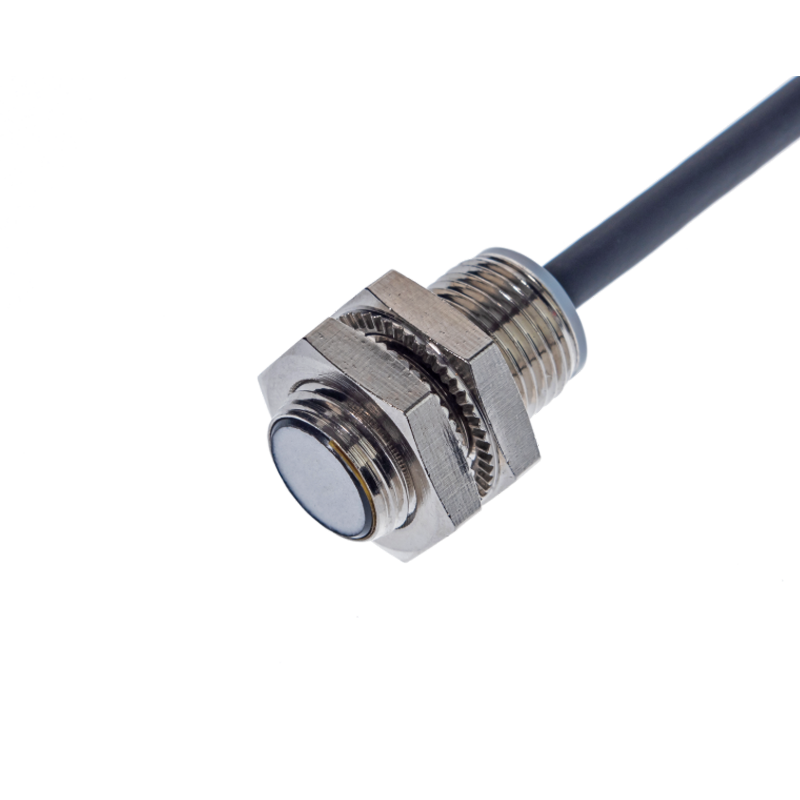
M12 Robust Housing: Standard industrial M12 threading allows for easy mounting and replacement in tight machinery spaces.
Intelligent Feedback: Real-time identification of three states:
Air (Empty): No sheet present.
Single Sheet: Normal operation.
Double Sheet/Splice: Fault condition triggering immediate output.
Industrial Applications
This ultrasonic double sheet sensor is the preferred safeguard for:
Printing & Packaging: Preventing multi-feed jams in offset printing and labeling machines.
Battery Manufacturing: Detecting double layers in cathode/anode stacking and winding processes.
Automated Logistics: Verifying document presence and preventing overlaps in sorting systems.
Converting Machinery: Identifying splices in roll-to-roll metal film slitting.
Specification
| Model | ISUDB40-12GM75-3E0-VC ISUDB40-12GM75-3E1-VC |
ISUDB40-12GM75-3E2-VC ISUDB40-12GM75-3E3-VC |
|---|---|---|
| Detection Range | 20 ~ 40mm | 20 ~ 40mm |
| Transducer Frequency | Approx. 300kHz | Approx. 300kHz |
| Operating Voltage | 18 ~ 30 V DC,10%Vpp | 18 ~ 30 V DC,10%Vpp |
| No-Load Current | ≤50mA | ≤50mA |
| Output Type | 3E0: 3 NPN, Normally Open 3E1: 3 NPN, Normally Closed |
3E0: 3 PNP, Normally Open 3E1: 3 PNP, Normally Closed |
| Rated Operating Current | 3×100mA; Short circuit protection/overload protection | 3×100mA; Short circuit protection/overload protection |
| Response Delay | Approx. 10ms | Approx. 10ms |
| Operating Temperature | 0℃ ~ 60℃ | 0℃ ~ 60℃ |
| Storage Temperature | -40℃ ~ 85℃ | -40℃ ~ 85℃ |
| Electromagnetic Compatibility | GB/T17626.2-2006 GB/T17626.4-2008 |
GB/T17626.2-2006 GB/T17626.4-2008 |
| Protection Class | IP67 | IP67 |
| Connection Method | VC, Six-Core Cable, 2 Meters | VC, Six-Core Cable, 2 Meters |
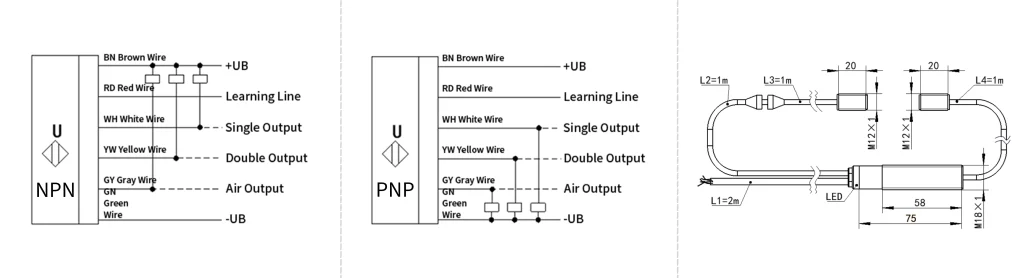
Electrical Connection / Product Size Line Drawing
Typical Applications

Precision Double Sheet Detection for Printing & Packaging The ISUDB40-12GM75 is an M12 compact ultrasonic double sheet sensor designed to prevent machine downtime and product waste. Using advanced ultrasonic through-beam technology, it reliably distinguishes between no sheet, single sheet, and double sheets (overlapping feed). It is an essential safeguard for printing presses, collating machines, and packaging lines, ensuring that paper, cardboard, or glossy brochures are fed individually, protecting delicate rollers and preventing jams. Lithium Battery & Metal Foil Processing Beyond paper, this sensor excels in detecting metal foils, plastic films, and electrode sheets used in the lithium battery industry. Unlike optical sensors, it is unaffected by material transparency, color, or reflectivity. Its compact M12 housing allows for easy integration into tight spaces within battery stacking machines and automated laminators, providing precise double-feed detection for copper/aluminum foils and separator films to ensure production quality.