










In der Welle der modernen Industrie 4.0 ist die präzise Überwachung von Flüssigkeitsständen der Eckpfeiler für die Gewährleistung von Prozessstabilität, Produktionssicherheit und Bestandstransparenz. Wenn Ingenieure jedoch mit extrem komplexen Industriestandorten konfrontiert werden, sind herkömmliche mechanische Messmethoden (wie Schwimmer-Füllstandmessgeräte und hydrostatische Sensoren) oft unzureichend. In hochkorrosiven Chemikalientanks sind berührende Sonden extrem anfällig für Korrosion oder Ablagerungen; in sterilen Werkstätten für pharmazeutische und hochreine flüssige Arzneimittel ist die berührende Messung mit einem hohen Risiko der Sekundärkontamination verbunden.
Mit der Weiterentwicklung der intelligenten Sensortechnologie entwickelt sich die berührungslose Ultraschall-Füllstandssensorik dank ihrer Verschmutzungsresistenz, Wartungsfreiheit und einfachen Integration schnell zur wichtigsten Sensorlösung in der Wasseraufbereitung, der pharmazeutischen Verpackung und der Lagerung von Spezialchemikalien. Ausgehend von den zugrundeliegenden technischen Prinzipien und der Kombination maßgeblicher Sicherheitsstandards bietet dieser Artikel eine umfassende Analyse der Auswahllogik und der Anwendungsszenarien für Ultraschall-Füllstandmessgeräte.
I. Die zugrunde liegende technische Logik: Mehr als einfache “Abstandsmessung”
Da es sich um eine ausgereifte industrielle Sensortechnologie handelt, ist der Grund Ultraschall-Füllstandssensoren für komplexe berührungslose Messungen geeignet sind, ist, dass die ihnen zugrunde liegende Logik auf strenger akustischer Physik beruht. Ein industrietaugliches Ultraschall-Füllstandssystem stützt sich in der Regel auf die folgenden drei Kernmechanismen, um absolute Datenzuverlässigkeit zu gewährleisten:
- Time of Flight (ToF)-Prinzip: Der Arbeitsprozess eines Ultraschall-Füllstandstransmitters ist ein geschlossener Kreislauf auf Mikrosekundenebene “Senden-Reflektieren-Empfangen”. Der piezoelektrische Keramikwandler im Inneren des Sensors sendet hochfrequente Ultraschallimpulse aus, die sich durch die Luft nach unten bewegen. Beim Auftreffen auf eine Flüssigkeitsoberfläche (wo sich die akustische Impedanz abrupt ändert) wird der Großteil der Schallwellen zum Sensor zurückreflektiert. Das System berechnet mit Hilfe eines eingebauten Mikroprozessors die Zeitdifferenz (ToF) der Schallwellen auf ihrem Weg durch die Luft, die dann in den Abstand zum Flüssigkeitsstand umgerechnet wird.
- Dynamische Temperaturkompensation: In der Praxis ist die Schallgeschwindigkeit in der Luft nicht konstant, sondern ändert sich erheblich mit der Temperatur (bei einer Temperaturänderung von 1 °C ändert sich die Schallgeschwindigkeit um etwa 0,6 m/s). Hervorragende industrielle Ultraschallsensoren enthalten einen hochpräzisen Thermistor in der Sonde, um die Umgebungstemperatur im Tank in Echtzeit zu messen. Der Mikroprozessor führt dann eine dynamische Kompensation der Schallgeschwindigkeit durch, um selbst in Außenbereichen mit extremen Temperaturschwankungen zwischen Tag und Nacht eine Messgenauigkeit im Millimeterbereich zu gewährleisten.
- Ausgezeichnete vollständige Medienkompatibilität: Im Gegensatz zu optischen Sensoren (wie Infrarot- oder Lasersensoren), die leicht von der Farbe der Flüssigkeit, der Transparenz oder der Reflexion der Wasseroberfläche beeinflusst werden, ist die Ultraschalltechnologie wirklich “farbenblind” und “lichtblind”. Das bedeutet, dass sie von der Transparenz des Behälters, der Farbe der Flüssigkeit oder der Dielektrizitätskonstante völlig unbeeinflusst ist. Egal, ob es sich um klares, reines Wasser, pechschwarze Abfallflüssigkeit oder durchsichtige Glasflaschen für Medikamente handelt, Ultraschall liefert extrem stabile Reflexionssignale an der Oberfläche.
II. Szenarioanalyse 1: Intelligente Wasserbewirtschaftung und Bewirtschaftung eines großen Tiefseebeckens
In der kommunalen Wasserversorgung, der Abwasseraufbereitung und der Verwaltung von Wassertanks in Gebäuden kommt es häufig zu hoher Luftfeuchtigkeit, Ablagerungen, Kalkablagerungen und Wind- und Sonneneinwirkung im Freien.
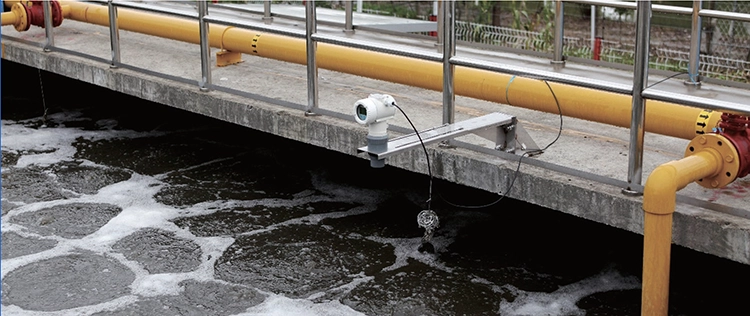
Technische Herausforderungen: Sensoren, die in direktem Kontakt mit Wasserquellen stehen, verkalken mit der Zeit, was zu mechanischem Verklemmen führt. Darüber hinaus betont die US-Umweltschutzbehörde EPA (Environmental Protection Agency) ausdrücklich die Notwendigkeit einer automatischen Tankbeurteilung (ATG) für die kontinuierliche Überwachung und Leckprävention in ihrem Leitfaden für automatische Überwachungsmethoden für Lagertanks. Große tiefe Becken (typischerweise 5 bis 10 Meter tief) gehen häufig mit Schwankungen der Wasseroberfläche und Wasserdampfkondensation einher.
[Engineering Selection Standards and Solution Reference]: Bei tiefen Schwimmbecken im Freien und großen Stauseen werden hochfrequente Schallwellen bei der Übertragung über große Entfernungen leicht durch den Wasserdampf in der Luft absorbiert und abgeschwächt. Daher empfehlen die Ingenieure in der Regel die Verwendung mittlerer bis niedriger Frequenzen (z. B. 65 kHz), um eine stärkere Durchdringung der Schallwellen zu erreichen.
Bei der tatsächlichen Auswahl müssen die Ingenieure die entsprechenden Geräte mit niedriger Frequenz und großer Reichweite auswählen. Zum Beispiel, ausgereift 65kHz Niederfrequenz-Ultraschall-Füllstandsensoren mit einer großen Messspanne von 6 Metern, die auf dem Markt erhältlich sind, wurden auf der Grundlage dieses technischen Parameters entwickelt. Innerhalb der sehr großen Messspanne kann der Niederfrequenzstrahl den Wassernebel auf der Beckenoberfläche effektiv durchdringen. Bei der Installation wird er an der Oberseite des Schwimmbeckens aufgehängt und befestigt und über eine RS485-Schnittstelle oder einen Analogausgang mit einer SPS verbunden, um eine berührungslose, kontinuierliche Überwachung des Flüssigkeitsstands zu erreichen, wobei das Risiko, dass herkömmliche Schwimmer stecken bleiben, strukturell vermieden wird.
III. Szenarioanalyse 2: Saubere Messung in der pharmazeutischen Produktion und hochreine flüssige Arzneimittel
Die pharmazeutische Industrie hat extrem strenge Anforderungen an Hygiene und Sterilität (sie muss die strengen GMP-Vorschriften einhalten). Bei der Überwachung der Flüssigkeitsstände von flüssigen Arzneimitteln, Reagenzien und biologischen Produkten ist “die Flüssigkeit nicht verunreinigen” eine höhere technische Grundvoraussetzung als “genau messen”.”

Technische Herausforderungen: Jeder invasive Sensor kommt mit Flüssigkeiten in Berührung, was ein fatales Risiko für die Ansammlung von chemischen Rückständen und Kreuzkontaminationen darstellt. Darüber hinaus bestehen Verpackungsflaschen in automatisierten Hochgeschwindigkeitsabfüllanlagen meist aus transparentem Glas oder reflektierendem Kunststoff (was von optischen Sensoren leicht falsch eingeschätzt werden kann). Wird hingegen ein Standard-Ultraschallsensor mit großer Reichweite verwendet, ist sein Abstrahlwinkel zu groß, so dass er bei Miniaturbehältern sehr anfällig für das Auftreffen auf den Flaschenhals oder die Rohrwand ist, was zu schweren Fehlauslösungen führt.
Bei transparenten Containern besteht der Hauptansatz zur Lösung von Störsignalen darin, Hochfrequenzgeräte mit einer “extrem kleinen Blindzone” und einem “ultra-schmalen Strahl” zu finden.”
Nach den Grundsätzen der Akustik gilt: Je höher die Frequenz, desto schmaler der Strahl. In praktischen Anwendungen, Miniatur-Ultraschallsensoren mit 400 kHz Ultrahochfrequenz und kleinen Reichweiten (z. B. 150 mm) werden häufig als Standardkonfigurationen für solche Mikromessszenarien verwendet. Diese Produkte nutzen den scharfen Abstrahlwinkel, den hohe Frequenzen mit sich bringen, um Reflexionsstörungen an engen Rohrwänden wirksam zu vermeiden. Darüber hinaus müssen die Geräte bei der Anbindung an Hochgeschwindigkeits-Fertigungsstraßen für pharmazeutische Verpackungen in der Regel eine ultraschnelle Ansprechverzögerung von weniger als 50 ms aufweisen, um perfekt mit dem hohen Tempo der Fertigungsstraße Schritt zu halten.
IV. Szenarioanalyse 3: Prozesssicherheitsmanagement (PSM) für flüssige Chemikalien und Gefahrstoffe
In chemischen Szenarien sind Flüssigkeiten oft hochkorrosiv (Säuren und Basen), flüchtig oder hochgiftig. Die Messung von Flüssigkeitsständen ist hier nicht nur eine Prozessanforderung, sondern auch eine kritische Verteidigungslinie für die Lebenssicherheit.
Maßgebliche Anforderungen der Sicherheitsnormen: Die U.S. Occupational Safety and Health Administration (OSHA) regelt in ihrer Norm 1910.119 “Process Safety Management of Highly Hazardous Chemicals” (Prozesssicherheitsmanagement für hochgefährliche Chemikalien) streng die Vermeidung von Prozessrisiken. In speziellen OSHA-Berichten wird eindeutig festgestellt, dass die herkömmliche “manuelle Tankmessung” das Bedienpersonal direkt tödlichen, hochkonzentrierten gefährlichen Gasen aussetzt. Die berührungslose automatische Überwachung ist ein unvermeidlicher Trend.
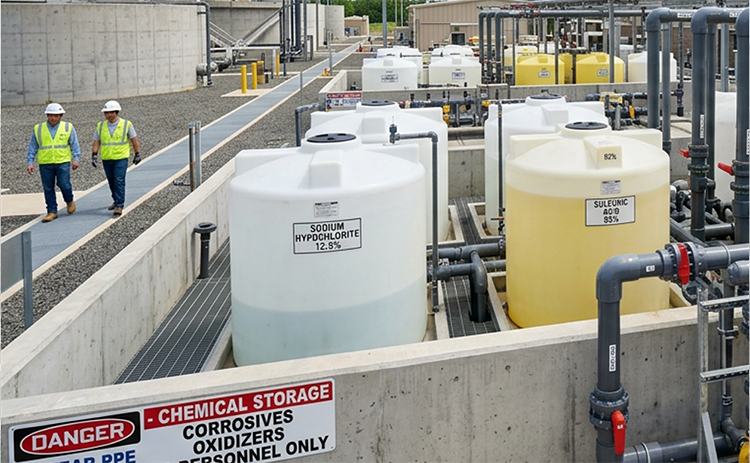
[Engineering Selection Standards and Solution Reference]: Die Korrosion elektronischer Geräte durch Säure- und Laugen-Dämpfe in Chemikalienbehältern ist irreversibel. Herkömmliche Metall- oder Kunststoffgehäuse können nicht langfristig überleben, daher muss der Schwerpunkt bei der Auswahl auf der “Korrosionsbeständigkeit des zugrunde liegenden Materials” liegen.”
Bei kleinen und mittelgroßen Säure- und Basenbehältern ist neben der Auswahl von Geräten mit einer geeigneten Reichweite (z. B. 150-450 mm) in der Regel auch eine individuelle Behandlung erforderlich. Zum Beispiel bei der Anwendung von Korrosionsschutz in Industriequalität Ultraschall-Füllstandmessgeräte oder 112-kHz-Spezial-Korrosionsschutzwandler, die für raue Gase ausgelegt sind, können Ingenieure vom Hersteller verlangen, dass die gesamte Sonde und die Gehäusematerialien je nach dem Medium vor Ort (wie hochkonzentrierte Salzsäure oder Ammoniakgas) durch PTFE (Polytetrafluorethylen) oder PVDF ersetzt werden. Dieser Grad an flexibler Anpassung des Korrosionsschutzes, der sich bis auf die Komponentenebene erstreckt, ist die universelle Lösung, um den langfristigen Betrieb von Geräten in rauen Umgebungen zu gewährleisten.
V. Pflichtlektüre für Ingenieure: Leitfaden zur Installation und Auswahl vor Ort und zur Fehlersuche
Selbst wenn ein erstklassiger Sensor ausgewählt wird, führt die Nichtbeachtung der akustischen Grundsätze bei der Installation zu Datensprüngen oder Messfehlern. Nachfolgend sind die technischen Regeln aufgeführt, die bei der Umsetzung eines Ultraschallprojekts für Flüssigkeitspegel beachtet werden müssen:
- Respektieren Sie die “blinde Zone”: Alle Ultraschallsensoren haben eine Blindzone in der Nähe der Schallwandleroberfläche, in der keine Messung möglich ist (d. h. die Klingelzeit, nachdem die piezoelektrische Keramik Schallwellen aussendet). Technik-Regel: Sie müssen sicherstellen, dass der maximale Flüssigkeitsstand des Behälters (100% Skalenendwert) immer unterhalb der Grundlinie der Blindzone des Sensors liegt. Wenn die Blindzone des Sensors z. B. 350 mm beträgt, muss die Installationshöhe mindestens 350 mm oder mehr über dem höchsten Flüssigkeitsstand liegen.
- Planen Sie den “Freiraum für den Strahlengang”: Der Ultraschall wird kegelförmig nach unten abgestrahlt (Einstrahlungswinkel). Technik-Regel: Der Sensor muss einen ausreichenden Abstand zur Tankwand einhalten und Leitern, Heizschlangen, Rührwerke oder Einfüllöffnungen im Tank vermeiden. Trifft der Strahl auf diese Hindernisse, erzeugt er starke Störechos, die dazu führen, dass die Füllstandsanzeige auf einer bestimmten Höhe “hängen bleibt”.
- Umgang mit Kondenswasser und Dampf: In geschlossenen Tanks mit Temperaturunterschieden ist die Sondenoberfläche sehr anfällig für Kondensation, wobei sich Wassertröpfchen bilden, die die Schallwellenabstrahlung blockieren. Technik-Regel: In Umgebungen mit starkem Wasserdampf sollte nicht nur eine Sonde mit einem Antikondensationsdesign gewählt werden, sondern auch eine “Tropfschleife” bei der Verdrahtung, um zu verhindern, dass Kondenswasser entlang des Kabels in die Hauptplatine des Sensors zurückfließt.
VI. Beratung bei der Auswahl: Suche nach Quellenherstellern mit zentralen Anpassungsfähigkeiten
Die Auswahl von Füllstandssensoren ist keineswegs ein einfacher Parametervergleich, sondern ein Test der akustischen F&E-Kapazitäten und des umfassenden Qualitätskontrollsystems des Herstellers. Die Suche nach Sensortechnologieunternehmen mit F&E-Kapazitäten an der Quelle kann mehr Garantien für die praktische Entwicklung bieten:
- Zugrunde liegende F&E-Akkumulation: Um akustische Interferenzprobleme schnell zu lokalisieren und zu lösen, ist es unerlässlich, über völlig unabhängige Rechte an geistigem Eigentum zu verfügen - von den Kernwandlern bis hin zum Entwurf von Schaltalgorithmen.
- Groß angelegte Lieferung und Qualitätskontrolle: Die Einhaltung von Produktionsstandards für die Industrie/Automobilindustrie wie IATF16949 und ISO9001 gewährleistet die Konsistenz der Geräte bei industriellen Anwendungen mit hohen Stückzahlen.
- Ausführliche Antwort zur Anpassung: Bei extremen Umgebungsbedingungen wie starken akustischen Störungen, hochviskosen Medien, mikro-irregulären Behältern oder Anforderungen an Explosions- und Korrosionsschutz sind standardisierte Produkte oft nicht ausreichend. Maßgeschneiderte Lösungen, die von Strukturen und Materialien (z. B. PTFE/PVDF) bis hin zur Signalverarbeitung reichen, sind der Schlüssel zur Lösung von Problemen.
Schlussfolgerung
Von der Sicherstellung des reibungslosen Betriebs der städtischen Wasserversorgung über die Gewährleistung der Sterilität pharmazeutischer Produkte bis hin zum Aufbau einer starken explosions- und korrosionssicheren Verteidigungslinie für die chemische Produktion - die Ultraschall-Füllstandsmesstechnik verändert die industrielle Automatisierungslandschaft dank ihrer einzigartigen berührungslosen Vorteile.
Die richtige Auswahl der Sensoren, die Abstimmung der Materialien und eine sorgfältige technische Installation sind der Schlüssel zu einer sicheren und effizienten Produktion. Wenn Sie ein Projekt zur Überwachung von Flüssigkeitsständen vorantreiben, sollten Sie die Kompatibilität der akustischen Parameter mit dem Umgebungsmedium berücksichtigen und ein professionelles Team für akustische Sensortechnologie mit umfassenden Anpassungsmöglichkeiten für die Zusammenarbeit auswählen, damit Sie die zuverlässigste technische Sensorlösung erhalten.
FAQ
F1: Beeinflussen Medieneigenschaften (wie Farbe oder Transparenz) die Ultraschallmessung?
A1: Ganz und gar nicht. Ultraschall-Füllstandmessgeräte arbeiten nach physikalisch-akustischen Prinzipien (Reflexion von Schallwellen aufgrund von Änderungen der akustischen Impedanz) und sind daher von Natur aus “farbenblind” und “lichtblind”. Egal, ob es sich um kristallklares reines Wasser, dunkles Abwasser oder transparente pharmazeutische Glasfläschchen handelt, Ultraschallwellen liefern äußerst stabile Reflexionssignale. Sie sind völlig unabhängig von der Transparenz des Behälters, der Farbe der Flüssigkeit oder ihrer Dielektrizitätskonstante.
F2: Wie wird die Signalabschwächung in tiefen Schwimmbecken im Freien oder in Umgebungen mit starkem Wassernebel behandelt?
A2: In großen, tiefen Becken (typischerweise 5-10 Meter tief) oder in Umgebungen mit starkem Dampf und Wasserdampf werden hochfrequente Schallwellen leicht von der Luftfeuchtigkeit absorbiert. Unter diesen Bedingungen wird in der Praxis empfohlen, Ultraschalltransmitter mit mittlerer bis niedriger Frequenz (z. B. 65 kHz) zu wählen. Niederfrequente Schallstrahlen haben ein stärkeres Durchdringungsvermögen und können den Oberflächennebel effektiv durchdringen, um stabile, weitreichende Messungen von über 6 Metern zu erzielen.
F3: Wie können wir in pharmazeutischen Produktionslinien Fehlalarme vermeiden, die durch das Auftreffen von Ultraschallstrahlen auf die Wände kleiner transparenter Behälter verursacht werden?
A3: Bei Messungen in engen Behältern kann der breite Abstrahlwinkel von Standard-Ultraschallsensoren mit großer Reichweite leicht auf den Engpass oder die Rohrwände treffen, was zu Störungen und Störechos führt. Die Lösung ist der Einsatz von Hochfrequenzgeräten (z. B. 400-kHz-Miniatur-Ultraschallsensoren). Akustische Prinzipien besagen, dass höhere Frequenzen engere Strahlen erzeugen. Ein 400-kHz-Ultrahochfrequenzsensor zeichnet sich durch eine “minimale Blindzone” und einen “ultraschmalen Strahl” aus, wodurch Störungen durch schmale Wände genau vermieden werden. Mit einer Ansprechlatenz von weniger als 50 ms passt er zudem perfekt zu den hohen Geschwindigkeiten pharmazeutischer Abfüllanlagen.
F4: Wie sollte die Sonde vor Korrosion geschützt werden, wenn hochkorrosive chemische Flüssigkeiten wie starke Säuren und Laugen gemessen werden?
A4: Beim Umgang mit hochkorrosiven oder flüchtigen chemischen Flüssigkeiten (z. B. hochkonzentrierte Salzsäure oder Ammoniakgas) können Standardgehäuse aus Metall oder Kunststoff einer langfristigen Belastung nicht standhalten. In diesen Fällen müssen Sie sich auf die “Grundmaterial-Korrosionsbeständigkeit” des Geräts konzentrieren. Es wird empfohlen, eine tiefgreifende Anpassung direkt beim Hersteller anzufordern und die gesamte Sonde und das Gehäusematerial durch PTFE (Polytetrafluorethylen) oder PVDF zu ersetzen. Diese Anpassung auf Komponentenebene ist eine branchenübliche Praxis, um sicherzustellen, dass die Geräte in rauen sauren und alkalischen Dampfumgebungen langfristig sicher und zuverlässig arbeiten.
F5: Warum bleibt die Füllstandsanzeige nach der Installation vor Ort häufig auf einer festen Höhe “hängen”?
A5: Dies wird in der Regel durch starke Störechos oder Blindzonenprobleme verursacht, die auf die Nichteinhaltung der akustischen Installationsrichtlinien zurückzuführen sind. Bitte überprüfen Sie vor allem die folgenden beiden Punkte:
- Unzureichender Freiraum im Strahlengang: Die Ultraschallwellen werden kegelförmig nach unten abgestrahlt. Ist die Sonde zu nahe an der Tankwand installiert oder trifft der Strahl auf interne Leitern, Heizschlangen, Rührwerke oder Einfüllstutzen, erzeugt er starke Störechos, so dass die Messung einfriert.
- Maximaler Flüssigkeitsstand beim Eintritt in die “Blindzone” (Ausblendungsbereich): Alle Ultraschallsensoren haben eine Blindzone in der Nähe der Sondenoberfläche, in der keine Messung möglich ist. Sie müssen sicherstellen, dass der Füllstand des 100% immer unterhalb der Grundlinie der Blindzone bleibt (z. B. wenn die Blindzone des Sensors 350 mm beträgt, muss die Installationshöhe mindestens 350 mm über dem maximalen Flüssigkeitsstand liegen). Wenn in geschlossenen Tanks Kondenswasser auftritt, wird außerdem empfohlen, bei der Verkabelung eine “Tropfschleife” einzurichten, um zu verhindern, dass Kondenswasser am Kabel herunterfließt und die Hauptplatine beschädigt.
-
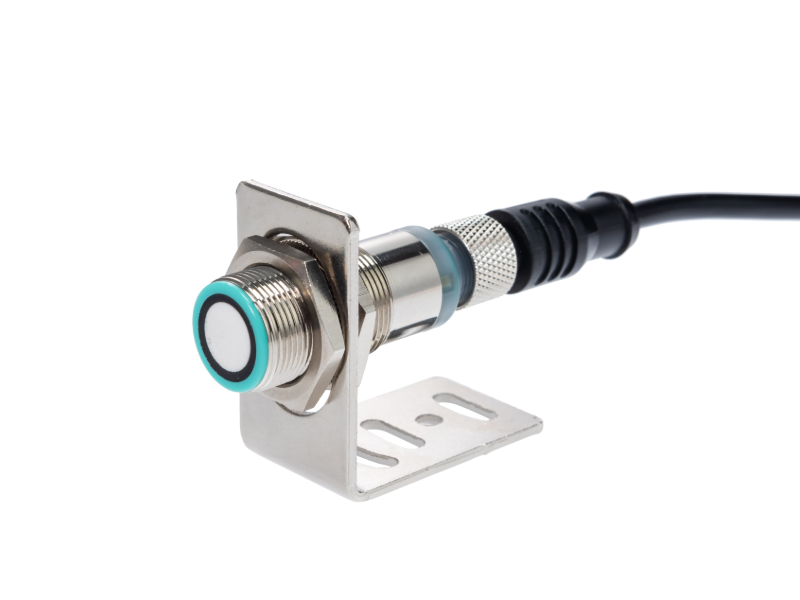
ISSRSensor 0.15M 400kHz Ultrahochpräziser Kurzform-Ultraschall-Abstandssensor
-
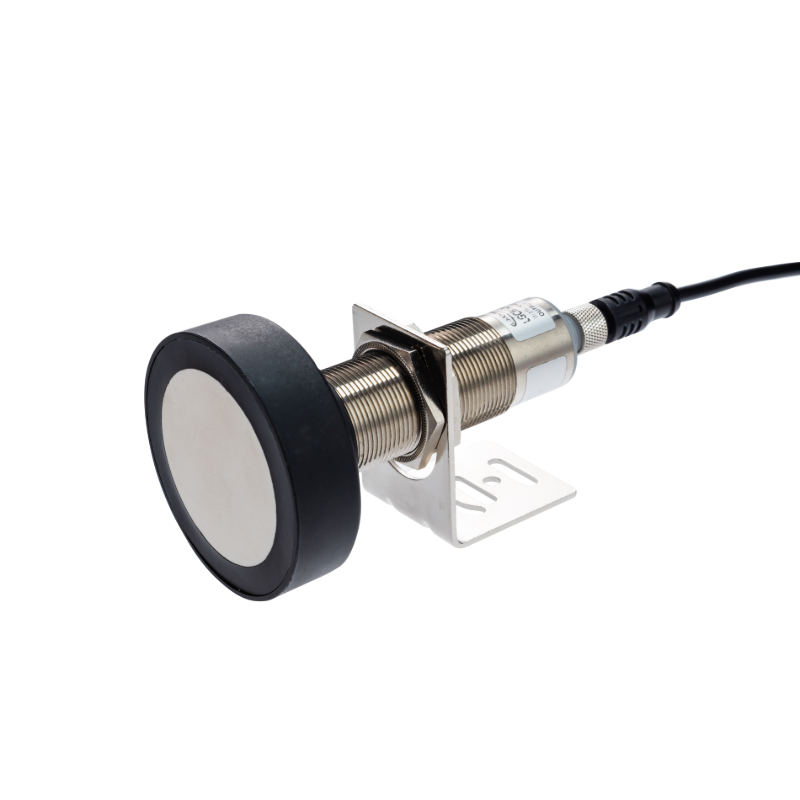
ISSRSensor 6M Ultraschall-Füllstandssensor mit mehreren Ausgängen analog/schaltend/digital
-
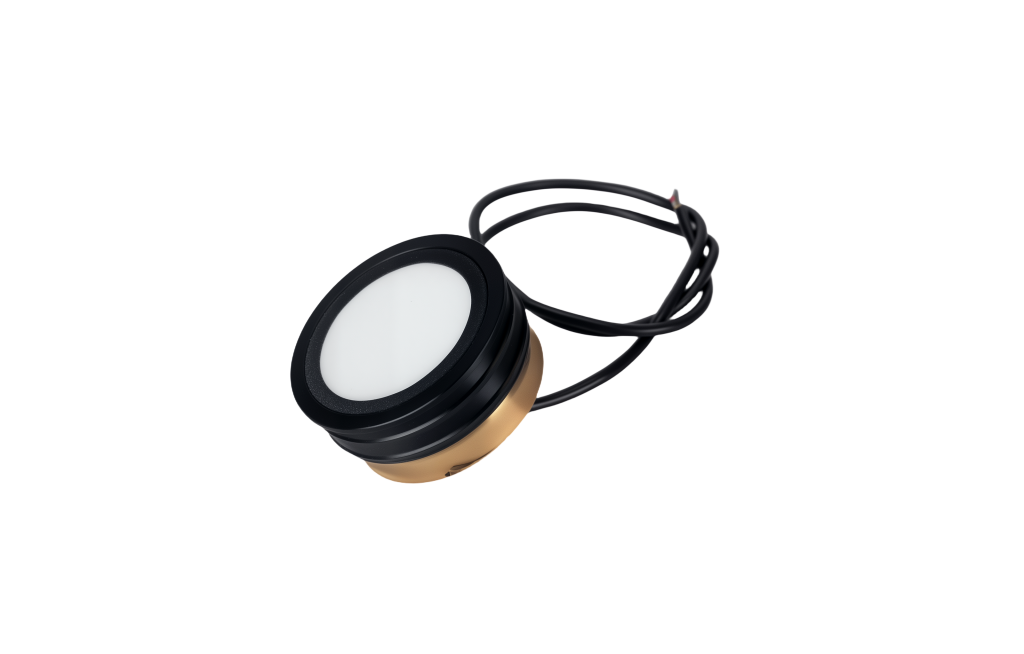
ISSRSensor 112 kHz Korrosionsbeständiger Ultraschallwandler für die Füllstandserfassung und -messung von Flüssigkeiten und Feststoffen