










I. Introducción: El reto de la “transparencia” en la automatización industrial
En la fabricación moderna, que abarca envases, productos farmacéuticos, alimentos y bebidas y producción de baterías de litio, los materiales transparentes son omnipresentes. Desde los envases transparentes de PET y las etiquetas invisibles de cosméticos hasta los separadores ultrafinos de baterías, estos materiales crean importantes cuellos de botella en las líneas de producción automatizadas.
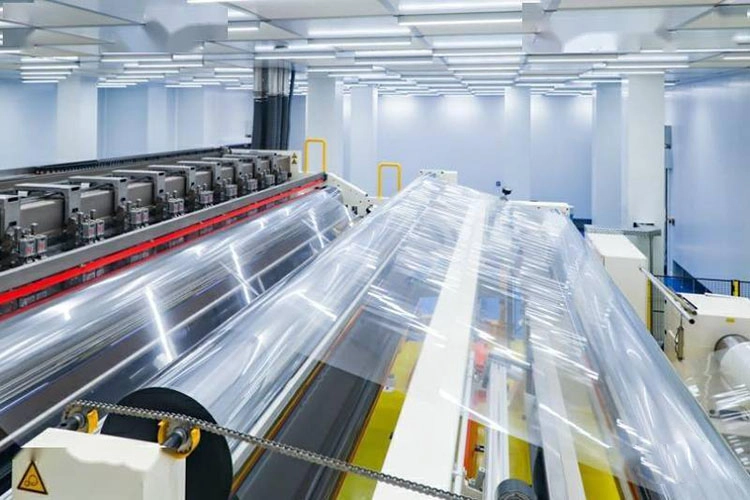
La confianza tradicional de la industria en los sensores fotoeléctricos suele fallar aquí. Cuando la luz interactúa con plásticos transparentes o vidrio, sufre de refracción, transmisión y reflexión impredecibles. La luz ambiental dispersa o un ligero cambio en el brillo de la superficie del material pueden hacer que se pierdan recuentos o se produzcan falsos disparos.
Para superarlo, los ingenieros recurren cada vez más a soluciones acústicas. En sensor ultrasónico representa lo último en el enfoque “ciego al color y a la luz”, ya que ofrece una detección sin contacto altamente fiable que sortea por completo las limitaciones ópticas de los medios transparentes.
II. La física subyacente: Por qué la acústica supera a la óptica
La razón por la que la tecnología ultrasónica es superior para los materiales transparentes reside en su física fundamental. En lugar de emitir fotones, los dispositivos ultrasónicos emiten ondas sonoras de alta frecuencia, lo que hace que su lógica de funcionamiento sea claramente diferente y muy ventajosa.
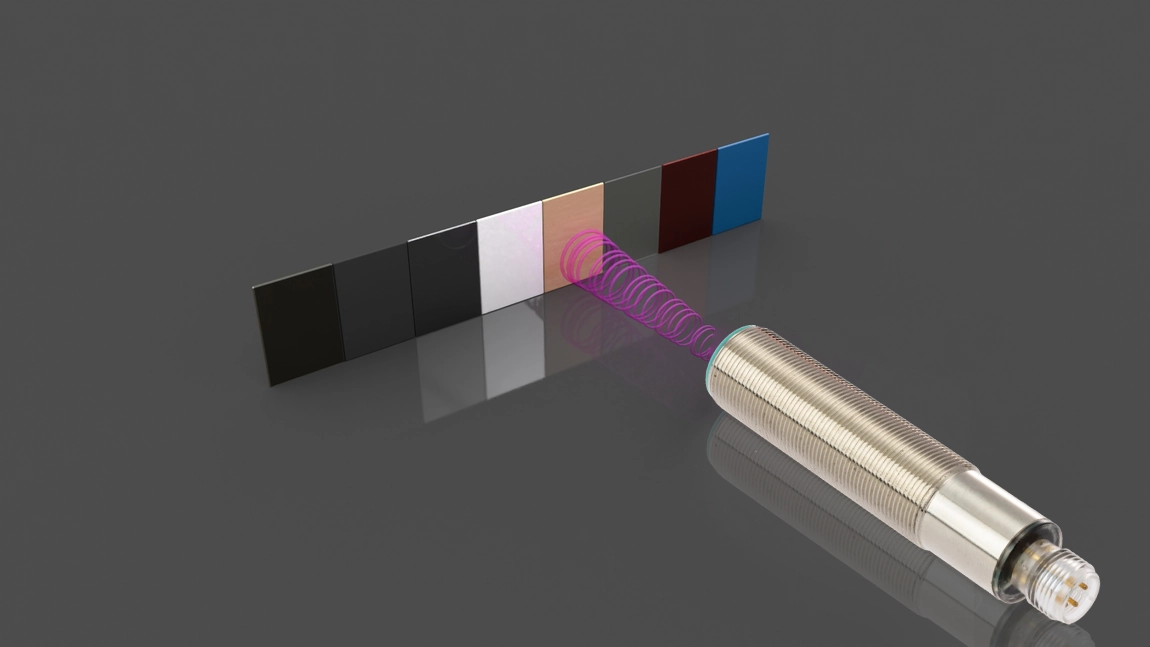
- Independencia del color y la transparencia: Dado que el sensor se basa en la reflexión de la energía acústica, las características visuales del objetivo son totalmente irrelevantes. Tanto si el objeto es negro opaco, altamente reflectante o 100% claro, la detección permanece perfectamente estable.
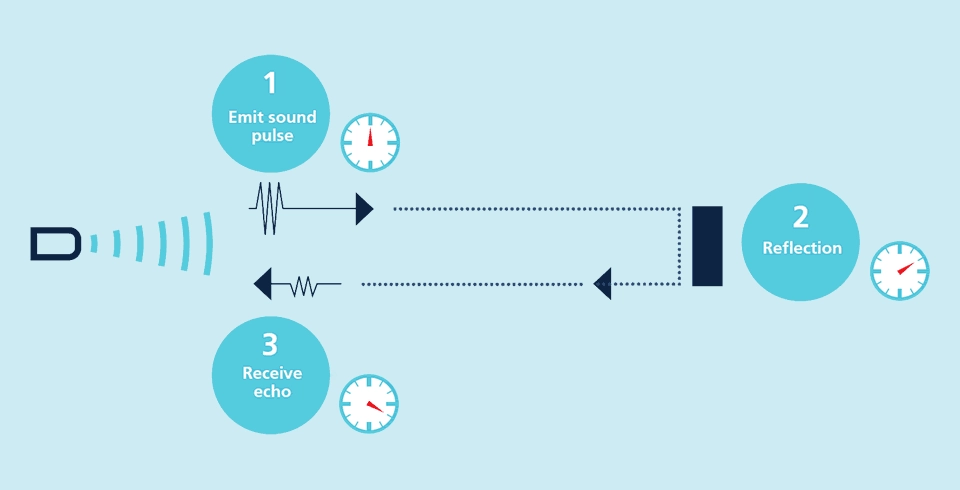
- Principio del tiempo de vuelo (ToF): El sensor funciona emitiendo un impulso sonoro y midiendo el tiempo preciso que tarda el eco en regresar. Al calcular esta diferencia de tiempo en función de la velocidad del sonido, el sensor determina la distancia exacta y la presencia del objeto, eliminando las conjeturas asociadas al contraste óptico.
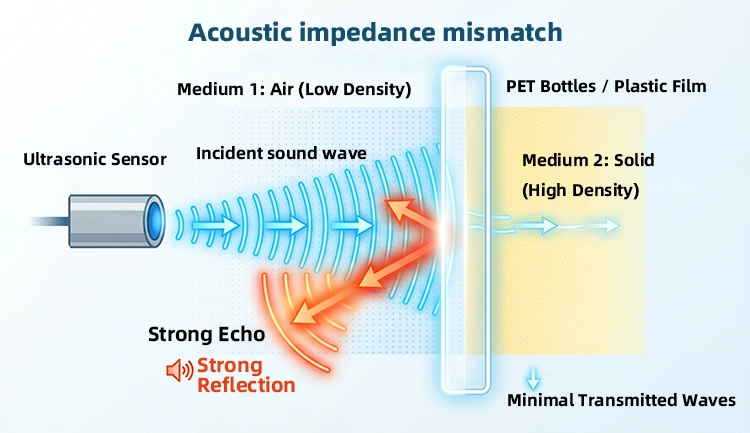
- Desajuste de la impedancia acústica: Desde un punto de vista físico, las ondas sonoras se reflejan cuando encuentran un límite entre dos medios con impedancias acústicas diferentes. La diferencia de densidad entre el aire y un objeto sólido (como una botella de PET o una película de plástico) es enorme. Este grave “desajuste” genera un eco muy fuerte y definido, que constituye la base física inquebrantable para la detección de objetos transparentes.
III. Análisis técnico de tres escenarios principales de aplicación
1. Botellas y recipientes transparentes

La detección de vidrio transparente, botellas de PET y envases blíster en líneas de llenado de alta velocidad ha sido tradicionalmente un quebradero de cabeza para la ingeniería. Sin embargo, la detección de botellas transparentes se vuelve altamente fiable con la tecnología ultrasónica.
Dado que las ondas sonoras se reflejan en la dura superficie exterior del recipiente, el sensor no se ve afectado en absoluto por el color del líquido del interior, la presencia de espuma o de gotas de agua en el exterior. Tanto si se trata de viales de vidrio en un laboratorio farmacéutico estéril como si se trata de detección de botellas transparentes en una planta de bebidas húmeda llena de vapor y aerosoles de lavado, los sensores ultrasónicos mantienen la máxima precisión de recuento.
2. Reconocimiento de etiquetas transparentes
En el sector de los envases de alta gama, se favorece mucho el “aspecto sin etiqueta” que se consigue utilizando etiquetas transparentes sobre papel soporte transparente. Los sensores fotoeléctricos estándar simplemente no pueden distinguir la diferencia óptica microscópica entre el hueco y la etiqueta.
Aquí es donde un especialista sensor de etiqueta transparente brilla. Utilizando un diseño de horquilla (o ranura) ultrasónica, este sensor de etiquetas mide la atenuación (debilitamiento) de la onda sonora al atravesar la banda de material. La onda sonora pierde una cantidad específica de energía cuando penetra sólo en el papel soporte, y mucha más energía cuando penetra tanto en el papel soporte como en la etiqueta. Al detectar esta precisa fluctuación de energía, un sensor ultrasónico de etiquetas (como la serie ISUDB5 de ISSR) pueden señalar la separación entre etiquetas con extrema precisión, independientemente de la transparencia 100%. Además, el diseño de horquilla rígida garantiza la alineación permanente entre el transmisor y el receptor, neutralizando las vibraciones ambientales.
3. Detección de películas finas y láminas
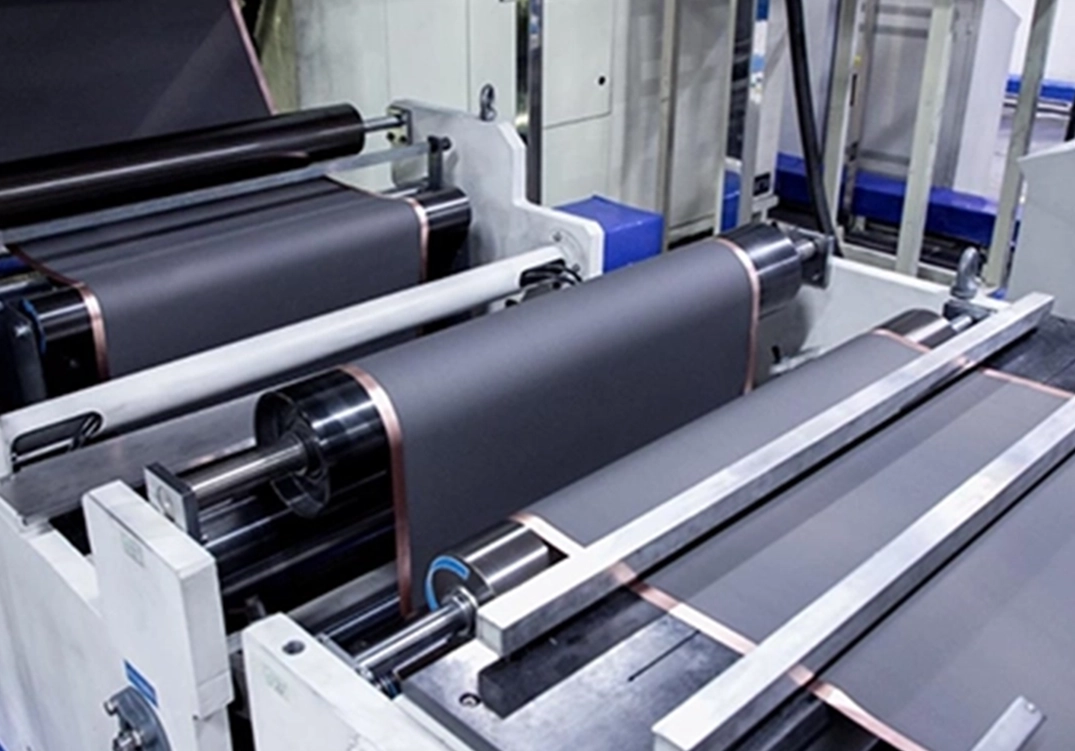
En la producción de envases flexibles y baterías de iones de litio, la manipulación de separadores transparentes ultrafinos y láminas de electrodos requiere una precisión extrema. Una máquina especializada sensor ultrasónico de detección de película es muy eficaz para la detección de roturas de banda y el control del guiado de la banda. Al detectar con precisión el borde de la hoja de electrodos o de la película transparente, el sensor supervisa continuamente la posición exacta de la banda para garantizar una alineación perfecta, eliminando por completo el riesgo de daños mecánicos o contaminación.
Además, la tecnología ultrasónica desempeña un papel vital en otros dos procesos distintos de manipulación de materiales:
Al supervisar el diámetro del rollo de materiales de bobinado transparentes, un sensor de distancia ultrasónico mide la distancia cambiante a la superficie del rodillo. Proporciona información analógica continua para calcular el diámetro en tiempo real, lo que garantiza un control preciso de la velocidad y la tensión de bobinado.
Por separado, durante los procesos de alimentación o corte de hojas, un sensor ultrasónico de doble hoja para evitar la superposición de materiales. En lugar de medir la distancia, este sensor analiza la atenuación de la energía de las ondas sonoras que penetran en la lámina. Esto le permite distinguir con fiabilidad entre láminas cero, simples o dobles.
En ambas aplicaciones, la tecnología acústica sin contacto evita el rayado de la superficie y no se ve afectada en absoluto por la alta reflectividad óptica o la transparencia de los materiales en movimiento.
IV. Guía del experto: Garantizar una detección de alta precisión
Para aprovechar al máximo la tecnología ultrasónica, los ingenieros de integración deben tener en cuenta varios parámetros acústicos críticos:
- Comprender la zona ciega: Todo transductor ultrasónico tiene una “zona ciega” directamente delante de su cara, donde no puede detectar con fiabilidad los ecos de retorno debido al anillamiento del impulso emitido. Para garantizar que el material objetivo quede siempre fuera de esta zona, es necesario que el montaje y las compensaciones mecánicas sean los adecuados.
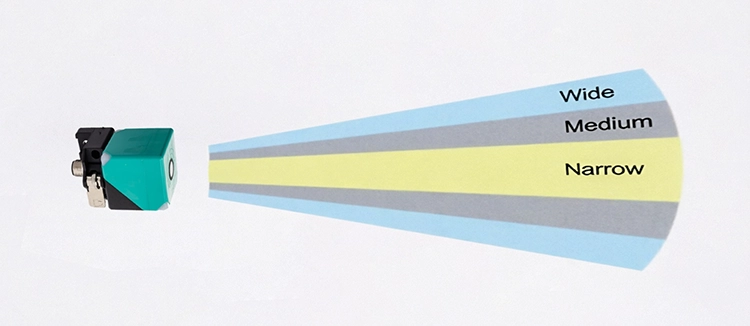
- Cono sónico y ángulo del haz: Las ondas sonoras viajan en forma cónica. Al detectar pequeños objetos transparentes en espacios reducidos de máquinas, es fundamental seleccionar un sensor con un ángulo de haz estrecho (cono sónico). De este modo se evita que los ecos parásitos de las estructuras de las máquinas cercanas o de las paredes laterales del transportador provoquen falsos positivos.
- La importancia de la compensación de temperatura: La velocidad del sonido en el aire varía aproximadamente 0,6 m/s por cada 1 °C de cambio de temperatura. Los sensores industriales de alta calidad deben incorporar una sonda de temperatura integrada y algoritmos de compensación internos para compensar automáticamente estas fluctuaciones y garantizar una precisión micrométrica en las distintas condiciones climáticas de las fábricas.
V. Tendencias futuras: IO-Link e integración digital
A medida que la fabricación pivota hacia Industria 4.0, La función del sensor ultrasónico está pasando de ser un simple interruptor de disparo a un nodo de diagnóstico inteligente. La integración de la tecnología IO-Link permite a los ingenieros configurar parámetros a distancia -como ajustar los puntos de conmutación para un nuevo lote de películas transparentes o reducir la anchura del haz sónico- sin acceder físicamente a la máquina. Además, los algoritmos de fusión multisensor combinan la fiabilidad física de la supresión de fondo por ultrasonidos con los sistemas de visión de alta velocidad, creando matrices de detección infalibles para las líneas de fabricación flexible más exigentes.
VI. Conclusiones: El pivote crítico para la fiabilidad de la producción
Cuando se trata de detectar materiales transparentes, altamente reflectantes o complejos, la detección acústica no es sólo una alternativa, sino un imperativo físico. Al evitar las vulnerabilidades inherentes a la luz, la tecnología ultrasónica ofrece la estabilidad necesaria para la automatización moderna de alta velocidad. Recomendación del experto: Durante la fase de especificación de cualquier equipo de envasado o manipulación de bandas, los ingenieros deben dar prioridad a las propiedades físicas del material objetivo sobre los hábitos ópticos estándar.
PREGUNTAS FRECUENTES
P1: ¿Por qué los sensores ultrasónicos pueden detectar objetos transparentes?
A1: Los sensores ultrasónicos detectan objetos enviando ondas sonoras y midiendo el eco, por lo que no dependen del color, el brillo o la transparencia. Esto los hace especialmente eficaces para botellas, etiquetas y películas transparentes.
P2: ¿Cuál es el sensor más estable para la detección de botellas transparentes?
A2: Para la detección de botellas transparentes, los sensores ultrasónicos suelen ser una de las opciones más estables porque detectan la superficie física en lugar de la apariencia óptica. Se ven menos afectados por el color de la botella, la claridad del material o la luz ambiental.
P3: ¿Por qué son mejores los sensores ultrasónicos de etiquetas para la detección de etiquetas transparentes?
A3: Los sensores ultrasónicos de etiquetas están diseñados para detectar la diferencia de atenuación acústica entre la etiqueta y el hueco de la etiqueta. Esto los hace muy fiables para aplicaciones de etiquetas transparentes en las que los sensores fotoeléctricos suelen tener problemas.
P4: ¿Pueden los sensores ultrasónicos detectar películas, separadores y láminas?
A4: Sí. Los sensores ultrasónicos pueden detectar películas finas, separadores transparentes y hojas mediante la detección de cambios en la reflexión o atenuación del sonido. Se utilizan habitualmente en el guiado de banda, la detección de bordes y la detección de doble hoja.
P5: ¿Cuál es la diferencia entre los sensores ultrasónicos y los sensores fotoeléctricos?
A5: Los sensores fotoeléctricos dependen de la reflexión o transmisión de la luz, por lo que pueden verse afectados por la transparencia, el color, el brillo y las condiciones de fondo. En cambio, los sensores ultrasónicos utilizan ondas sonoras, lo que los hace más adecuados para materiales transparentes o reflectantes.
P6: ¿Los sensores ultrasónicos se ven afectados por el color, la transparencia o la luz ambiental?
A6: No, los sensores ultrasónicos no se ven afectados por el color, la transparencia o la luz ambiental del mismo modo que los sensores ópticos. Su rendimiento depende más de la instalación, la distancia al objetivo, la compensación de temperatura y la estabilidad de la señal.
-
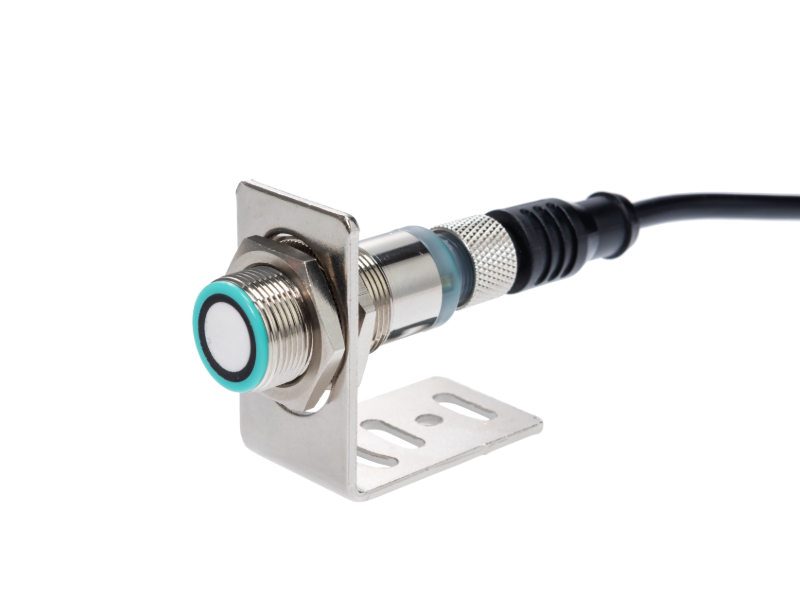
ISSRSensor 500mm Sensor ultrasónico de distancia de corto alcance y alta precisión|200kHz
-
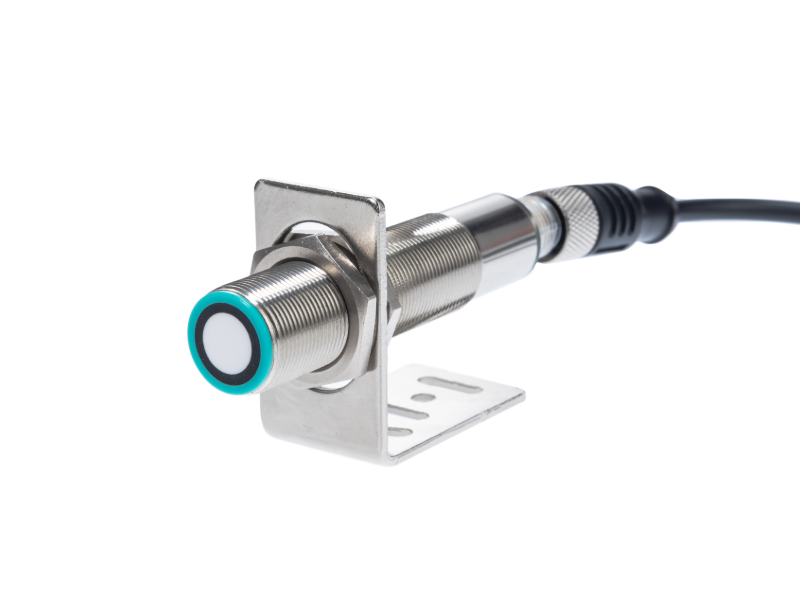
ISSRSensor Sensor ultrasónico todo en uno: Nivel de Alcance de 1m y Detección de Objetos
-
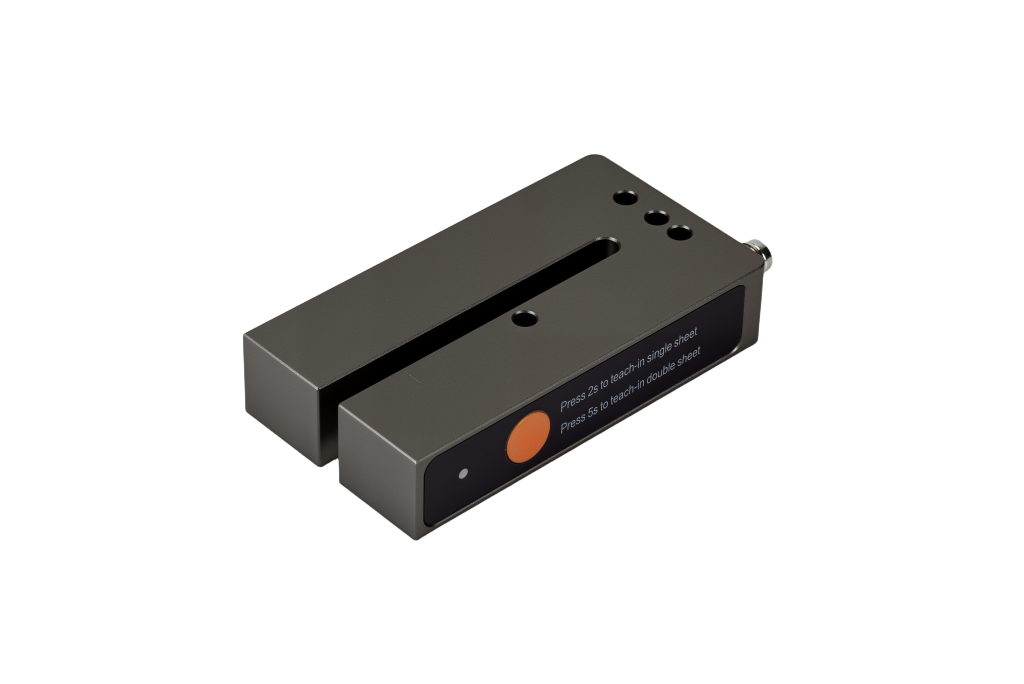
ISSRSensor High-Precision Ultrasonic Label Sensor for Clear & Opaque Materials
-
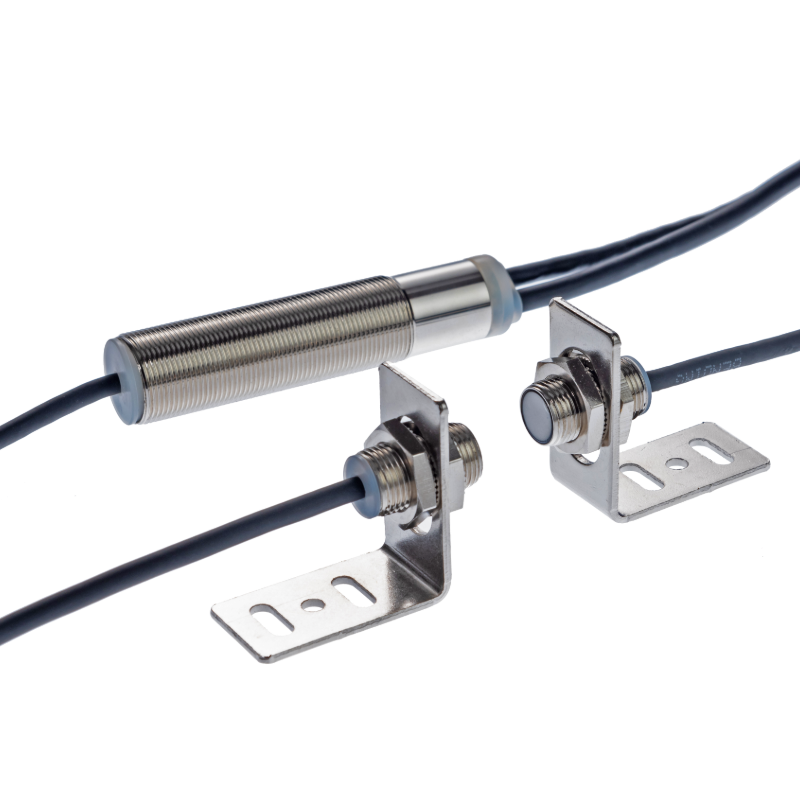
ISSRSensor M12 Sensor ultrasónico de detección de doble hoja
-
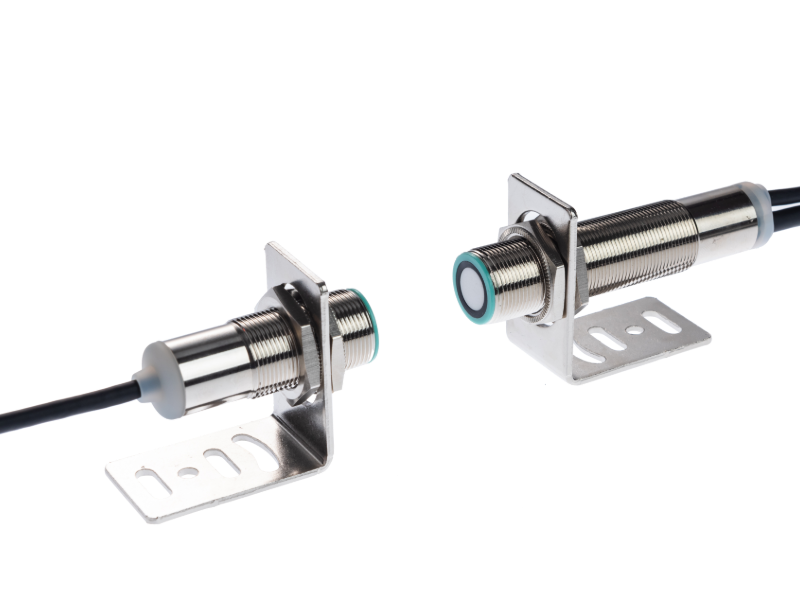
ISSRSensor Sensor ultrasónico de doble hoja | Detección multimaterial para automatización
-
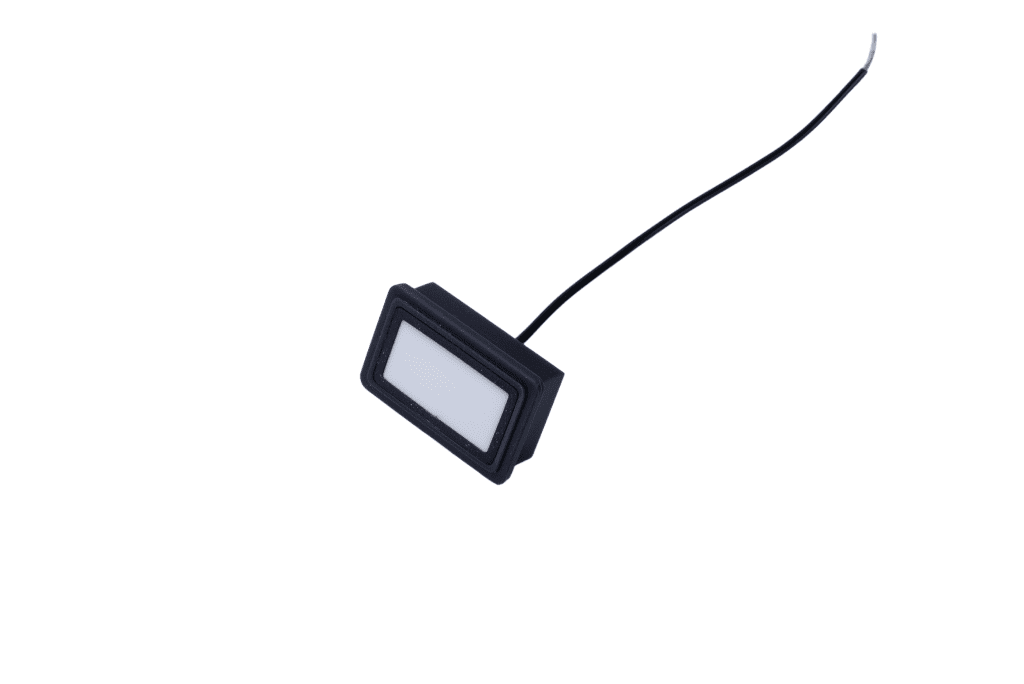
ISSRSensor Sensor ultrasónico de guiado de banda Transductor 160kHz - Sonda rectangular de detección y corrección de bordes