

“Approfondisci come Sensori di livello a ultrasuoni e sensori di distanza a ultrasuoni sono pionieri di una nuova era della misura industriale senza contatto. Dal punto di vista di un produttore professionista, questo articolo analizzerà a fondo i loro principi fondamentali, le strategie di applicazione in condizioni difficili e il modo in cui i nostri processi di produzione superiori e le nostre innovazioni tecnologiche consentono di ottenere un rilevamento di livello a ultrasuoni di alta precisione, spingendo la vostra automazione industriale verso una maggiore efficienza e affidabilità.”
Introduzione: Le sfide della misurazione tradizionale e l'ascesa della tecnologia senza contatto
1.1 Sfide storiche nella misura di livello industriale
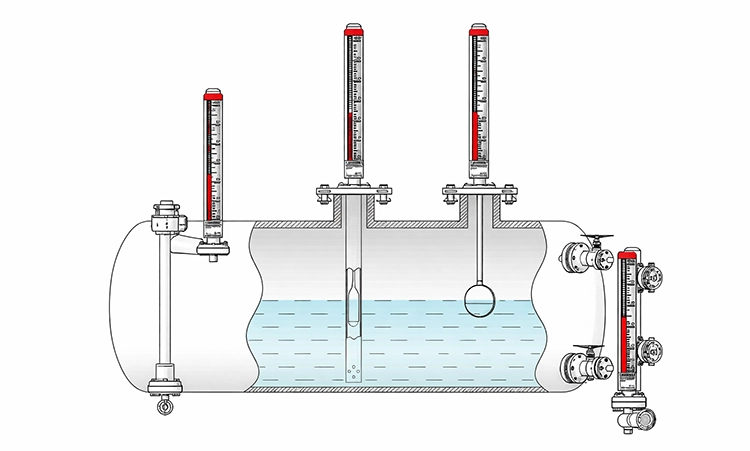
Le tecnologie di misura tradizionali basate sul contatto, come i misuratori di livello a galleggiante e i sensori di pressione, hanno dominato a lungo la produzione industriale. Tuttavia, spesso rivelano limiti significativi quando devono affrontare diverse condizioni di lavoro complesse. Ad esempio, quando si misurano fluidi altamente corrosivi, i sensori possono subire danni, con conseguenti frequenti sostituzioni; quando si misurano materiali abrasivi o fanghi viscosi, i sensori sono soggetti a usura e intasamento, con conseguenti ripercussioni sull'accuratezza della misura e sulla durata; inoltre, queste soluzioni a contatto comportano in genere costi di manutenzione più elevati e rischi di fermo macchina. Queste sfide non solo aumentano gli oneri operativi, ma possono anche mettere a rischio la sicurezza della produzione e la qualità del prodotto.
1.2 Misura a ultrasuoni senza contatto: La scelta ideale per l'industria moderna
È in questo contesto che è emersa la tecnologia di misura a ultrasuoni senza contatto, che è diventata rapidamente una soluzione innovativa per superare le sfide di misura tradizionali. I sensori di livello a ultrasuoni, con le loro caratteristiche di non invasività, alta affidabilità e bassa manutenzione, offrono agli utenti industriali comodità e vantaggi senza precedenti.
In qualità di produttore professionista con anni di esperienza nel settore dei sensori a ultrasuoni e dei trasduttori, Siamo impegnati a fornire tecnologie di misura senza contatto avanzate e affidabili, sfruttando la nostra vasta esperienza nel settore e le nostre capacità tecniche di punta. I nostri prodotti sono stati applicati con successo in numerosi ambienti industriali esigenti in tutto il mondo, consentendo ai clienti di vari settori di ottimizzare e migliorare i loro processi produttivi.
1.3 Scopo dell'articolo: Analisi approfondita per prendere decisioni precise
Questo articolo intende fornire agli utenti industriali una guida tecnica completa e approfondita sui sensori di livello a ultrasuoni. Ne illustreremo i principi di funzionamento fondamentali, gli straordinari vantaggi, le migliori pratiche per la selezione e l'impiego e le strategie efficaci per affrontare diverse condizioni di lavoro complesse. Allo stesso tempo, condivideremo le nostre prospettive sullo sviluppo futuro della tecnologia dei sensori intelligenti a ultrasuoni, con l'intento di aiutarvi a prendere decisioni informate sull'acquisto e l'implementazione dei sensori di livello a ultrasuoni, fornendo un solido supporto tecnico per i vostri progetti di automazione industriale.
Principi ed elementi essenziali di produzione dei sensori di livello a ultrasuoni
2.1 Il principio fondamentale dei sensori a ultrasuoni: La saggezza del rilevamento delle onde sonore
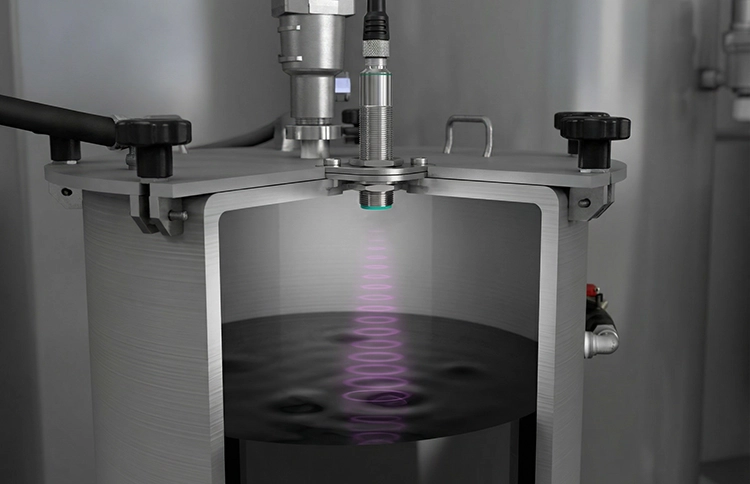
Un sensore a ultrasuoni è un dispositivo che utilizza onde sonore ad alta frequenza (in genere superiori a 20 kHz, non udibili dall'orecchio umano) per misurare la distanza. Il principio fondamentale è il seguente: un trasduttore all'interno del sensore emette un impulso ultrasonico; l'onda sonora viaggia attraverso l'aria, si riflette sulla superficie del mezzo da misurare e viene quindi ricevuta dal trasduttore. Successivamente, il circuito stampato del sensore elabora questi segnali di eco riflessi. Misurando con precisione il tempo necessario all'onda sonora per passare dall'emissione alla ricezione (metodo del tempo di volo), il sensore può calcolare la distanza dalla superficie del mezzo.

2.2 Meccanismo di base dei sensori di livello a ultrasuoni: Tempo di volo (ToF)
Il metodo del tempo di volo è fondamentale per il rilevamento di livello a ultrasuoni. Il suo processo di funzionamento può essere riassunto come segue:
- Emissione: Il trasduttore a ultrasuoni emette periodicamente impulsi ultrasonici verso la superficie del livello del liquido o del materiale all'interno del contenitore da misurare.
- Propagazione e riflessione: L'impulso ultrasonico viaggia alla velocità nota del suono attraverso il mezzo (tipicamente aria o un gas specifico). Quando incontra la superficie del liquido o del materiale, si riflette.
- Ricezione: L'onda ultrasonica riflessa (eco) viene ricevuta dal trasduttore.
- Calcolo: Il microprocessore all'interno del sensore misura con precisione la differenza di tempo (T) dall'emissione dell'impulso alla ricezione dell'eco. In base alla formula Distanza = (Velocità del suono × T) / 2, è possibile calcolare la distanza tra il sensore e la superficie del fluido. In combinazione con l'altezza nota del contenitore, è possibile determinare con precisione l'altezza del livello del liquido o del materiale.
Questo processo viene completato in tempi brevissimi e ripetuto continuamente, consentendo un monitoraggio continuo in tempo reale dei livelli di liquido/materiale.
2.3 Produzione di trasduttori a ultrasuoni: La fonte della qualità e delle prestazioni
Essendo il cuore delle prestazioni del sensore a ultrasuoni, il processo di produzione del trasduttore è fondamentale. In qualità di fabbrica specializzata, siamo consapevoli dell'impatto della sua qualità sull'affidabilità del prodotto finale. Pertanto, nella produzione dei trasduttori a ultrasuoni, ci atteniamo rigorosamente ai seguenti standard elevati:
- Selezione del materiale: Utilizziamo materiali ceramici piezoelettrici ad alte prestazioni per garantire una conversione elettroacustica efficiente e la stabilità del segnale. Selezioniamo rigorosamente i fornitori di materiali e conduciamo ispezioni in entrata sulle materie prime per garantire la qualità fin dall'origine.
- Processi di lavorazione di precisione: I componenti chiave del trasduttore, come il vibratore e l'incapsulamento, sono prodotti con macchinari ad alta precisione per garantire dimensioni geometriche precise e coerenti. Ad esempio, eseguiamo una lucidatura a livello nanometrico sui vibratori per ottimizzare la coerenza dell'emissione e della ricezione delle onde sonore.
- Procedure di controllo qualità rigorose: Dalla sinterizzazione della ceramica piezoelettrica all'assemblaggio finale, ogni fase prevede rigorosi punti di controllo della qualità. Introduciamo apparecchiature di prova automatizzate per eseguire test completi su ogni trasduttore per quanto riguarda la risposta in frequenza, le caratteristiche di impedenza e la distribuzione del campo sonoro, assicurandone le eccellenti prestazioni e la stabilità a lungo termine.
2.4 Raggiungere il rilevamento di livello a ultrasuoni ad alta precisione: L'integrazione di tecnologia e produzione
Il raggiungimento di un rilevamento di livello a ultrasuoni di alta precisione è una testimonianza della profonda integrazione tra tecnologia e produzione. Garantiamo le prestazioni eccezionali dei nostri sensori a ultrasuoni grazie alle seguenti tecnologie chiave:
- Tecnologia di compensazione della temperatura: La velocità del suono è influenzata in modo significativo dalla temperatura ambiente. I nostri sensori incorporano sensori di temperatura ad alta precisione per monitorare le variazioni della temperatura ambiente in tempo reale e utilizzano algoritmi avanzati di compensazione della temperatura per correggere la velocità del suono, garantendo un'accuratezza di misura compresa tra ±1 mm e ±5 mm (a seconda del modello e della gamma) in un'ampia gamma di temperature.
- Algoritmi avanzati di elaborazione del segnale: Utilizziamo algoritmi avanzati di elaborazione del segnale digitale come il filtraggio adattativo, l'identificazione dell'eco, la soppressione del rumore e la verifica di eco multipli. Questi algoritmi distinguono efficacemente gli echi veri dalle false interferenze (come le riflessioni dalle pareti dei contenitori, dagli agitatori o dalle scale), migliorando in modo significativo l'affidabilità e l'accuratezza delle misure. Ad esempio, la nostra tecnologia di mappatura degli echi apprende e maschera in modo intelligente le interferenze fisse.
- Controllo di qualità e test di invecchiamento: Durante la produzione dei sensori a ultrasuoni, implementiamo rigorosi standard di controllo della qualità. Prima di lasciare lo stabilimento, ogni lotto di sensori viene sottoposto ad almeno 72 ore di test di invecchiamento e a prove simulate in ambienti difficili, per garantirne la stabilità, l'affidabilità e la coerenza a lungo termine.
Vantaggi significativi senza contatto della misurazione a ultrasuoni
3.1 Eccellente compatibilità con i fluidi: Misura stabile e non influenzata da ambienti difficili
I sensori a ultrasuoni di alta qualità, grazie alle loro caratteristiche uniche di misura senza contatto, superano completamente i problemi di guasto delle soluzioni tradizionali basate sul contatto nelle seguenti condizioni difficili:
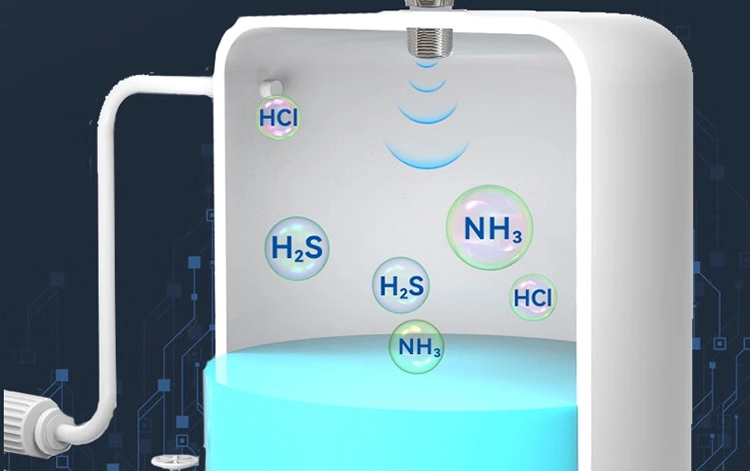
- Liquidi altamente corrosivi: Come gli acidi, gli alcali, ecc. non entrano direttamente in contatto con i componenti del sensore, prolungandone significativamente la durata e riducendone la frequenza di sostituzione.
- Fanghi viscosi o asfalto: Non aderisce al sensore e non lo intasa, evitando derive o errori di misura.
- Materiali contenenti particelle abrasive: Come la sabbia, la polvere di minerale, non usurano il sensore, garantendo una precisione operativa a lungo termine.
- Supporti ad alta o bassa temperatura: I sensori sono in genere installati all'esterno o sopra il contenitore, evitando l'esposizione diretta a temperature estreme. Con un'adeguata selezione dei materiali e dei metodi di installazione, possono adattarsi a un'ampia gamma di temperature.
Caso di applicazione: In un grande impianto chimico che tratta acido solforico altamente corrosivo, i misuratori di livello tradizionali dovevano essere sostituiti più volte all'anno. Dopo l'introduzione dei sensori di livello a ultrasuoni, hanno funzionato stabilmente per oltre cinque anni, riducendo in modo significativo i costi di manutenzione e i rischi per la sicurezza.
3.2 Bassa manutenzione e alta affidabilità: La chiave dell'efficienza operativa a lungo termine
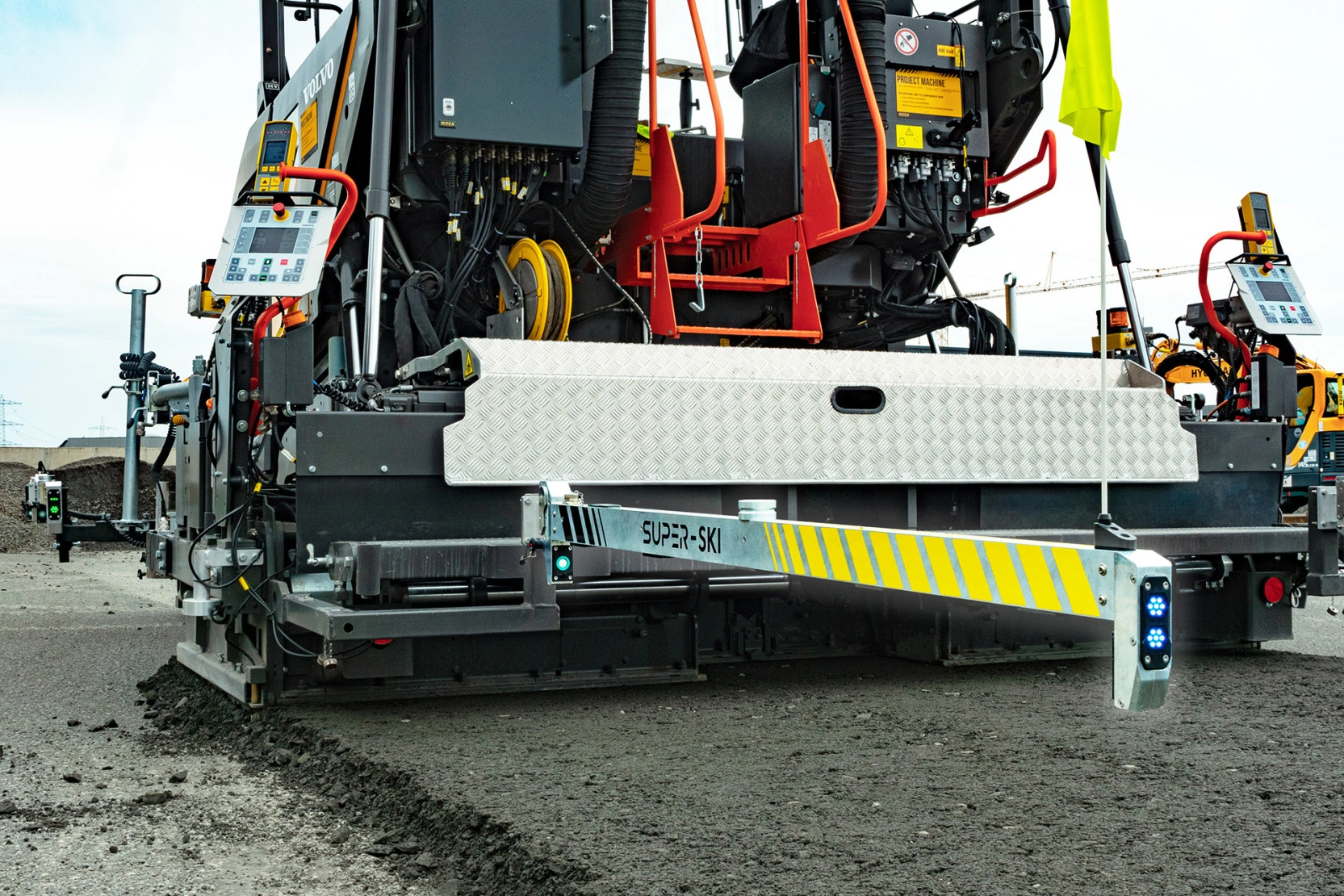
I moderni sensori di livello a ultrasuoni sono progettati meticolosamente senza parti meccaniche in movimento, eliminando così i rischi di usura, intasamento e rottura per fatica. Ciò si traduce in:
- Riduzione significativa dei requisiti di manutenzione: Non è necessario pulire, calibrare o sostituire regolarmente le parti soggette a usura, riducendo i costi di manodopera e ricambi.
- Miglioramento della continuità operativa del sistema: La riduzione dei tempi di fermo non programmati garantisce la stabilità dei processi produttivi.
- Riduzione dei rischi per la sicurezza: Evita che il personale debba entrare in aree pericolose per la manutenzione.
Supporto dati: Secondo il feedback dei nostri clienti, dopo l'adozione dei sensori di livello a ultrasuoni, i costi medi annui di manutenzione per le relative apparecchiature sono diminuiti di oltre 30% e il tempo medio tra i guasti (MTBF) è aumentato di oltre 20%.
3.3 Ampia gamma di applicazioni: Copertura completa dai liquidi ai solidi
La serie di sensori di livello a ultrasuoni leader del settore è in grado di gestire intervalli di misura da pochi centimetri a decine di metri, realizzando così una soluzione “one-stop”. Non solo sono adatti a diversi liquidi (ad esempio, acqua, olio, sostanze chimiche), ma possono anche misurare con precisione i livelli di materiali solidi come granuli e polveri.
- Misura del livello dei liquidi: Serbatoi di stoccaggio, serbatoi d'acqua, bollitori di reazione, pozzetti delle stazioni di pompaggio, ecc.
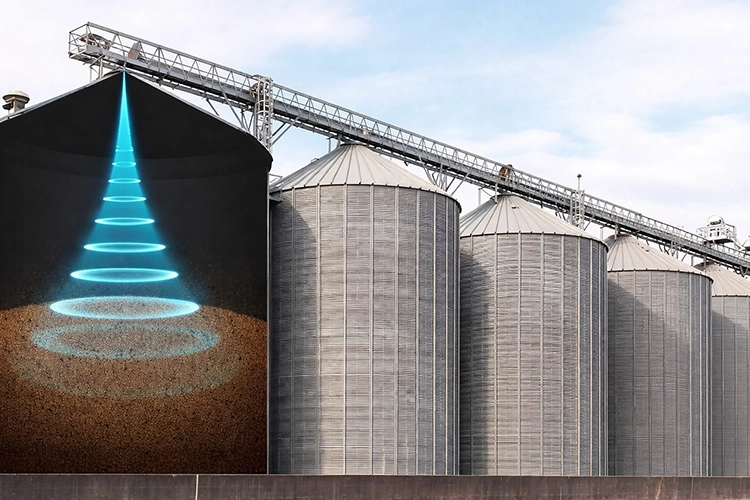
- Misura del livello solido: Silos, tramogge, granaglie, cemento, carbone, pellet di plastica in cumuli, ecc.
3.4 Risposta rapida e dati in tempo reale: Automazione efficiente
La tecnologia a ultrasuoni fornisce dati di misura continui e in tempo reale, in grado di riflettere rapidamente i cambiamenti del mezzo, con una velocità di risposta tipicamente in millisecondi. Ciò fornisce input precisi e tempestivi per i moderni sistemi di automazione dei processi industriali e di controllo intelligente, costituendo una base fondamentale per la produzione snella e le fabbriche intelligenti.
- Gestione dell'inventario in tempo reale: Tracciare con precisione le riserve di materiale, ottimizzando l'approvvigionamento e la pianificazione della produzione.
- Controllo automatico di riempimento/scarico: Avviamento/arresto automatico di pompe o valvole in base ai livelli in tempo reale, evitando tracimazioni o funzionamenti a secco.
- Interblocchi di sicurezza e allarmi: Rispondono rapidamente a variazioni di livello anomale, attivando allarmi o protezioni di arresto.
3.5 Sicurezza e adattabilità ambientale: Garantire la produzione e la conformità
In qualità di produttore professionale di sensori a ultrasuoni, siamo consapevoli dei severi requisiti di sicurezza e prestazioni delle apparecchiature in ambienti pericolosi e difficili. Pertanto, offriamo:
- Sensori di livello a ultrasuoni a prova di esplosione: Conforme ai rigorosi requisiti internazionali IECEx/ATEX e altri standard antideflagranti, garantendo un funzionamento sicuro in ambienti con gas, vapori o polveri infiammabili ed esplosivi e prevenendo efficacemente gli incidenti dovuti a incendi ed esplosioni.
- Eccellente design di adattabilità ambientale: I sensori sono dotati di robuste custodie protettive (con elevato grado di protezione IP, come ad es. IP67/IP68), con una resistenza superiore alle vibrazioni e agli urti e in grado di funzionare stabilmente in un'ampia gamma di temperature (ad esempio, da -40℃ a +70℃) e umidità.
Migliori pratiche per la selezione e l'impiego dei sensori di livello a ultrasuoni
4.1 Elementi fondamentali di selezione: La precisa rispondenza alle esigenze applicative
La scelta del sensore di livello a ultrasuoni più adatto è il primo passo per garantire le prestazioni e l'affidabilità del sistema di misura. Di seguito sono riportati i principali elementi di selezione:
4.1.1 Valutazione delle caratteristiche del mezzo
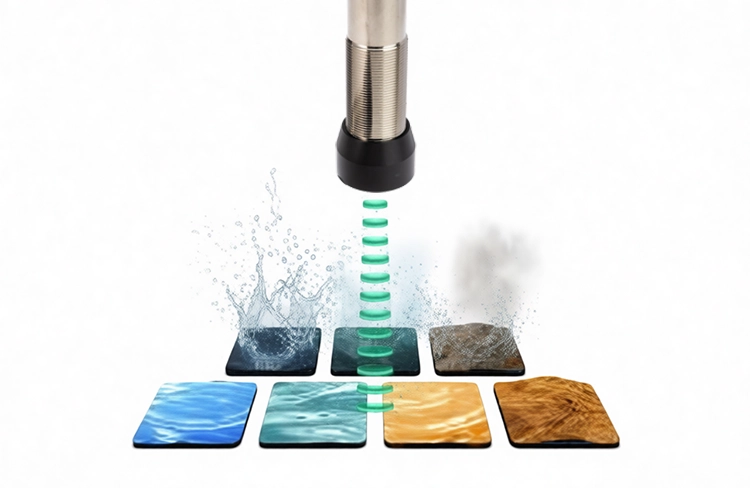
Questa è la fase più critica della selezione. Analizzare il mezzo di comunicazione:
- Viscosità e densità: Influisce sull'attenuazione della propagazione dell'onda sonora, soprattutto con mezzi ad alta viscosità.
- Generazione di schiuma: La schiuma assorbe e disperde le onde sonore, provocando segnali eco indeboliti o distorti. Sono necessari sensori con algoritmi di soppressione della schiuma o una maggiore potenza di trasmissione.
- Generazione di vapore/gas volatili: Il vapore può interferire con la propagazione delle onde sonore e l'acqua di condensa può aderire alla superficie del sensore. È necessario prendere in considerazione il livello di protezione del sensore e progetti speciali.
- Contenuto di polvere: Gli ambienti con molta polvere possono attenuare l'energia delle onde sonore.
- Corrosività: Determinare se la custodia e i materiali di tenuta del sensore sono in grado di resistere alla corrosione media.
4.1.2 Requisiti dell'intervallo di misura e dell'accuratezza
In base alle dimensioni del serbatoio (altezza/profondità) e all'accuratezza di misura richiesta dal processo, selezionare un trasmettitore di livello a ultrasuoni con portata e risoluzione adeguate. In genere, il campo di misura del sensore deve essere leggermente superiore all'altezza massima del serbatoio e la precisione deve soddisfare i requisiti di controllo del processo (ad esempio, ±1% F.S., o precisione superiore).
4.1.3 Sfide ambientali
- Temperatura e pressione: Considerare la temperatura ambiente massima/minima nel luogo di installazione del sensore e la pressione all'interno del contenitore.
- Vibrazioni e urti: Valutare l'intensità delle vibrazioni e degli urti che possono verificarsi durante il funzionamento dell'apparecchiatura.
- Umidità e condensa: Soprattutto in ambienti esterni o umidi, scegliete sensori con un buon design a prova di umidità e anticondensa.
- Grado di protezione (grado IP): Selezionare il grado di protezione IP corrispondente, come IP67 o IP68, in base all'ambiente di installazione (interno/esterno, presenza di spruzzi d'acqua, polvere).
4.1.4 Protezione dalle esplosioni e certificazioni
Nelle aree pericolose in cui sono presenti sostanze infiammabili ed esplosive, è indispensabile scegliere prodotti con sensori antideflagranti certificati da organizzazioni autorevoli come le certificazioni internazionali IECEx/ATEX o nazionali CMC. Assicurare la conformità alle norme di sicurezza per garantire la sicurezza della produzione.
4.1.5 Interfacce di uscita e di comunicazione
Assicurarsi che il sensore supporti protocolli di comunicazione che si integrino perfettamente con i sistemi di controllo esistenti (DCS/PLC). Le interfacce principali includono:
- Uscita analogica: 4-20mA (il più comune), 0-10V, ecc.
- Protocolli di comunicazione digitale: HART (per la comunicazione digitale su loop 4-20mA), Modbus RTU/TCP, Profibus DP/PA, Foundation Fieldbus, ecc. Selezionare un'interfaccia che soddisfi le esigenze di velocità di trasferimento dei dati e di configurazione remota.
4.2 Strategie di installazione precise: Garantire le prestazioni e l'affidabilità della misura
La corretta installazione è fondamentale per massimizzare le prestazioni dei sensori a ultrasuoni. Sono fondamentali per le Strategie di installazione precisa.
4.2.1 Ottimizzazione della posizione di installazione
- Evitare gli ostacoli: Quando si sceglie il punto di installazione del sensore, assicurarsi che il percorso dell'angolo del fascio del sensore a ultrasuoni sia privo di ostacoli, come pale dell'agitatore, serpentine di riscaldamento, supporti interni, tubi di ingresso o di uscita. Questi ostacoli possono generare falsi echi, interferendo con il vero segnale di livello del liquido.
- Lontano dall'ingresso: Installare il più lontano possibile dall'ingresso del liquido per evitare che il fascio venga disturbato da turbolenze o spruzzi del liquido.
- Distanza dalla parete del contenitore: Il sensore deve mantenere una certa distanza dalla parete del contenitore (in genere 1/6 della portata del sensore o superiore a 20 cm) per evitare che il raggio si rifletta sulla parete del contenitore e crei falsi echi.
4.2.2 Soppressione dei falsi echi
I falsi echi sono interferenze comuni nelle misure a ultrasuoni. È possibile adottare le seguenti misure:
- Tubo di riempimento/guida d'onda: L'installazione di un tubo di calma/guida d'onda nel percorso del fascio può guidare efficacemente le onde sonore, ridurre l'interferenza laterale ed è particolarmente adatta per condizioni di agitazione, schiuma o turbolenza. Il diametro interno del tubo di calma deve essere maggiore della superficie di emissione effettiva del sensore.
- Regolare l'angolo del sensore: Per le superfici liquide non piane o per i contenitori con strutture interne, l'angolo di inclinazione del sensore può essere regolato con precisione (in genere non superiore a 5°) per garantire che l'onda sonora colpisca perpendicolarmente la superficie del liquido ed eviti le interferenze interne.
- Algoritmi software avanzati: I moderni sensori a ultrasuoni incorporano funzioni avanzate di mappatura dell'eco. Apprendendo i segnali di interferenza fissi presenti nell'ambiente, il sensore può memorizzarli e mascherarli automaticamente, elaborando solo i segnali di eco reali.
4.2.3 Considerazioni sull'interfaccia del contenitore
- Corrispondenza delle taglie: Assicurarsi che l'interfaccia di montaggio del sensore (ad esempio, flangia o filettatura) corrisponda esattamente alle dimensioni dell'apertura del contenitore, garantendo la tenuta e la stabilità dell'installazione.
- Superficie liscia: Assicurarsi che la superficie interna dell'interfaccia del contenitore sia liscia, senza bave o spigoli vivi, per evitare di disperdere o ostacolare la propagazione delle onde sonore.
- Evitare l'accumulo di acqua e sporco: In ambienti esterni o umidi, considerare il drenaggio nella progettazione dell'installazione per evitare l'accumulo di acqua o sporcizia sulla superficie del sensore o nella cavità di montaggio, che può influire sulla misurazione.
4.3 Debug in loco e ottimizzazione dei parametri: Raggiungere precisione e stabilità
Dopo l'installazione del sensore a ultrasuoni, il debug in loco e l'ottimizzazione dei parametri sono fasi cruciali per garantire un funzionamento preciso e stabile a lungo termine.
- Impostazione zero/pieno scala: Impostare con precisione il punto di zero del sensore (di solito la distanza tra la superficie della sonda e il fondo del contenitore) e il fondo scala (altezza massima di misurazione) in base alle dimensioni reali del contenitore. In questo modo si stabilisce una linea di base di riferimento per il sensore.
- Calibrazione della compensazione della temperatura: Verificare l'efficacia della funzione di compensazione della temperatura incorporata nel sensore e, se necessario, metterla a punto per adattarla all'effettivo gradiente di temperatura in loco.
- Regolazione fine dei parametri di elaborazione dell'eco: Per condizioni specifiche, come la presenza di schiuma, polvere o vapore, può essere necessario regolare i parametri interni del sensore, come il guadagno dell'eco, i valori di soglia e i tassi di decadimento per ottimizzare l'identificazione e l'elaborazione del segnale dell'eco. I sensori avanzati spesso forniscono curve d'eco visive per aiutare gli ingegneri nella messa a punto.
- Verifica multipunto: Quando il fluido si trova a livelli bassi, medi e alti, utilizzare uno strumento di misura di riferimento indipendente e affidabile (ad esempio, un righello, un misuratore di livello radar) per la verifica su più punti, confrontandolo con le letture del sensore a ultrasuoni per garantire la linearità e la precisione.
- Risoluzione dei problemi: Comprendere i metodi comuni di risoluzione dei problemi, come l'assenza di segnale, le forti fluttuazioni del segnale o le letture imprecise. Ciò include il controllo del cablaggio, dell'alimentazione, della pulizia della superficie del sensore e la ripetizione della mappatura dell'eco.
Affrontare condizioni di lavoro complesse: Soluzioni innovative per i sensori a ultrasuoni avanzati
Sebbene i sensori di livello a ultrasuoni offrano vantaggi significativi nella misura senza contatto, alcune condizioni di lavoro estremamente complesse richiedono ancora tecnologie avanzate e strategie specifiche per ottenere una misura affidabile. Questa sezione si concentra su un'innovazione di misura in ambienti con schiuma e polvere.
5.1 Novità in materia di misurazione in ambienti con schiuma e polvere
La schiuma e la polvere elevata sono due sfide importanti per le misure a ultrasuoni, in quanto assorbono o disperdono le onde sonore. Noi le affrontiamo efficacemente con le seguenti soluzioni innovative:
- Progetto di emissione ad alta potenza: Utilizzando trasduttori appositamente progettati in grado di emettere impulsi ultrasonici ad alta energia per penetrare un certo spessore di strati di schiuma o polvere.
- Selezione ottimizzata della frequenza: Scegliere la frequenza ultrasonica più adatta in base alle caratteristiche del mezzo. Ad esempio, gli ultrasuoni a bassa frequenza hanno una migliore penetrazione negli ambienti polverosi, mentre le frequenze più elevate offrono una maggiore risoluzione.
- Algoritmi di elaborazione del segnale dedicati: Ha sviluppato algoritmi proprietari specifici per la schiuma e la polvere, in grado di identificare e filtrare i segnali di eco causati da queste interferenze, estraendo così le vere informazioni sul livello del liquido/materiale. Ad esempio, analizzando la forma, l'intensità e l'ampiezza dell'eco per distinguere gli echi della schiuma da quelli del livello reale.
- Funzionalità di spurgo integrata: Per gli ambienti altamente adesivi o con molta polvere, possiamo progettare sensori con interfacce di spurgo dell'aria integrate per pulire periodicamente o su richiesta la superficie del sensore, garantendo l'emissione e la ricezione delle onde sonore senza ostacoli.
Caso di studio: Nella linea di produzione di poliestere di un impianto di fibre chimiche, la notevole formazione di schiuma nei serbatoi di fermentazione rendeva impossibile una misurazione stabile con i tradizionali sensori di livello a ultrasuoni. Adottando i nostri sensori a ultrasuoni ad alta potenza e bassa frequenza appositamente progettati, combinati con algoritmi di soppressione della schiuma, è stata raggiunta una precisione di misura stabile di ±5 mm.
5.2 Misura robusta in condizioni di vapore e condensazione
Anche gli ambienti con vapore e la condensa rappresentano una sfida per i sensori a ultrasuoni. Le nostre soluzioni includono:
- Materiali speciali per l'alloggiamento del sensore e protezione: L'utilizzo di speciali tecnopolimeri resistenti alle alte temperature e alla corrosione (come PVDF, PTFE) o di alloggiamenti in acciaio inossidabile, insieme a rivestimenti speciali o a finestre acustiche, impedisce efficacemente la penetrazione del vapore e l'adesione della condensa.
- Tecnologia di tenuta di precisione: Adotta un design di tenuta di precisione con classificazione IP68 per garantire che i componenti elettronici interni siano protetti dall'umidità e dai gas corrosivi.
- Ottimizzazione intelligente degli algoritmi: Gli algoritmi di trattamento della condensa integrati sono in grado di identificare e compensare l'attenuazione del segnale o il ritardo temporale causati dagli strati di condensa sulla superficie del sensore.
- Opzioni di autoriscaldamento o spurgo: In caso di condizioni di condensazione estreme, è possibile prevedere elementi di riscaldamento interni o interfacce di spurgo esterne per eliminare attivamente la condensa dalla superficie del sensore.
Applicazioni: Nei serbatoi di condensa delle centrali elettriche e nelle reti di condutture termiche, i nostri sensori, grazie a materiali resistenti alle alte temperature e ad algoritmi intelligenti, assicurano misure affidabili a lungo termine in ambienti in cui coesistono vapore saturo e condensa.
5.3 Spazi ristretti e geometrie speciali dei contenitori
In contenitori stretti o di forma irregolare, l'angolo del fascio del sensore a ultrasuoni può essere influenzato dalle pareti laterali. Offriamo:
- Sensori di livello a ultrasuoni a fascio stretto: Progettato con un angolo di emissione più stretto (ad esempio, inferiore a 5°) per ridurre la divergenza del fascio all'interno del contenitore, evitando così l'interferenza delle strutture interne del contenitore.
- Staffe di montaggio personalizzate e tubi di riempimento/guida d'onda: A seconda della geometria specifica e della struttura interna del contenitore, è possibile progettare staffe di montaggio personalizzate o un tubo di riempimento/guida d'onda per garantire che il fascio sonoro raggiunga la superficie del liquido senza ostacoli.
- Algoritmi avanzati di elaborazione dell'eco: I sensori sono in grado di identificare e filtrare in modo intelligente, tramite software, i falsi echi provenienti dalle pareti dei container, anche in caso di geometrie complesse, estraendo informazioni precise sul livello.
5.4 Sensori di livello a ultrasuoni e radar: Confronto tecnologico e raccomandazioni per l'applicazione
Il sensore di livello a ultrasuoni e quello radar sono entrambi tecnologie di misura di livello senza contatto comunemente utilizzate, ciascuna con i propri vantaggi e svantaggi. La comprensione delle loro differenze aiuta gli utenti a fare la scelta migliore.
| Caratteristica | Sensore di livello a ultrasuoni | Sensore di livello radar |
|---|---|---|
| Principio di misurazione | Utilizza onde sonore (onde meccaniche ad alta frequenza) per la propagazione. | Utilizza onde elettromagnetiche (microonde) per la propagazione. |
| Influenza media | La velocità del suono è influenzata in modo significativo da temperatura, pressione, vapore, polvere e schiuma. | Le onde elettromagnetiche sono influenzate principalmente dalla costante dielettrica, mentre non sono influenzate dalla temperatura, dalla pressione e dal vapore. |
| Vuoto/Gas | Dipende dal gas come mezzo di propagazione, non può essere utilizzato nel vuoto o in presenza di vapori ad alta concentrazione. | Utilizzabile in ambienti con vuoto, non influenzato dal mezzo di propagazione |
| Installazione | Montaggio dall'alto, requisiti di angolazione più elevati | Montaggio dall'alto, può essere installato ad angolo |
| Precisione | Precisione tipica ±1%F.S. o ±5mm | Accuratezza tipica ±1mm o ±3mm, potenzialmente superiore |
| Gamma | Generalmente entro 20 metri, in casi particolari fino a 30 metri. | Può superare i 70 metri |
| Costo | Più basso | Più alto |
| Vantaggi dell'applicazione | Applicazioni sensibili ai costi, condizioni semplici, trattamento delle acque reflue | Alta temperatura/pressione, vuoto, vapore forte, cristallizzazione, mezzi corrosivi, requisiti di alta precisione |
Quadro decisionale:
- Caratteristiche medie: Per i mezzi in cui la propagazione dell'aria non è ostacolata e non c'è schiuma/vapore significativo, gli ultrasuoni sono una scelta economicamente vantaggiosa. Se le caratteristiche del mezzo sono complesse (ad esempio, vuoto, vapore elevato, forte corrosione) o la costante dielettrica è stabile, il radar è superiore.
- Requisiti di precisione: Per le applicazioni che richiedono un'accuratezza estremamente elevata (ad esempio, il trasferimento della custodia commerciale), il radar è generalmente più performante.
- Vincoli di installazione: Gli ultrasuoni hanno requisiti più severi per quanto riguarda la posizione di installazione e il percorso dell'angolo del raggio del sensore a ultrasuoni. La natura penetrante del radar lo rende più flessibile per l'installazione in alcuni container con strutture interne complesse.
- Costo totale di proprietà (TCO): L'investimento iniziale e i costi di manutenzione dei sensori di livello a ultrasuoni sono in genere inferiori a quelli del radar, ma in condizioni estremamente complesse il radar può offrire maggiori vantaggi a lungo termine.
Grazie a un'analisi comparativa obiettiva, gli utenti possono scegliere la soluzione di misura senza contatto più adatta in base alle caratteristiche del mezzo, ai requisiti di precisione e al budget. Il nostro team tecnico è inoltre disponibile a fornire servizi di consulenza professionale per la selezione.
Approfondimenti applicativi dei sensori di livello a ultrasuoni nelle industrie chiave
I sensori di livello a ultrasuoni, con i loro vantaggi unici, svolgono un ruolo indispensabile in numerosi settori industriali:
6.1 Trattamento delle acque e gestione delle acque reflue
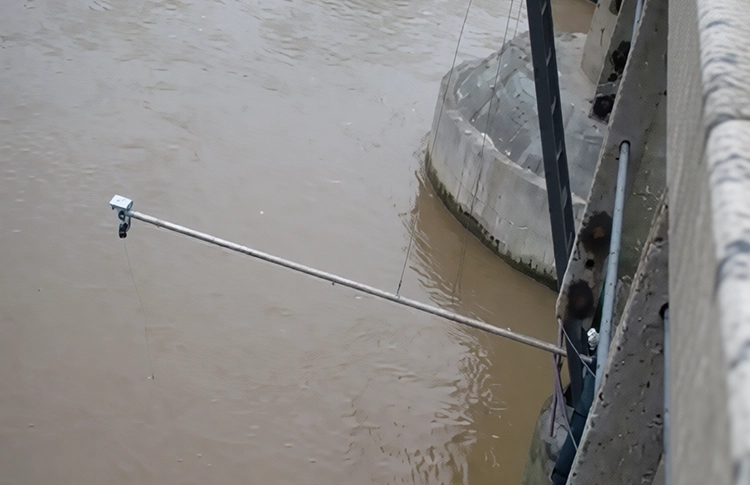
Negli impianti di trattamento delle acque, negli impianti di trattamento delle acque reflue, nelle stazioni di pompaggio, nei canali di scolo delle acque piovane, nei serbatoi e negli scenari di monitoraggio dei fiumi, i sensori a ultrasuoni sono ampiamente utilizzati:
- Monitoraggio dei livelli: Monitorano con precisione i livelli di pozzetti, chiarificatori e serbatoi dei fanghi, ottimizzando il controllo dell'avvio/arresto delle pompe per evitare il traboccamento o il funzionamento a secco.
- Misurazione del flusso: In combinazione con stramazzi o canali Venturi, è possibile misurare la portata senza contatto in canali aperti.
- Misura dell'interfaccia della coperta di fango: I sensori a ultrasuoni appositamente progettati possono essere utilizzati per misurare l'interfaccia fango-acqua nelle vasche di sedimentazione.
Vantaggi pratici: Conseguire una gestione efficace delle risorse idriche, migliorare l'efficienza del trattamento, ridurre i costi operativi e rispettare le normative ambientali.
6.2 Industrie chimiche e farmaceutiche
Nell'industria chimica e farmaceutica, dove i requisiti di sicurezza e precisione sono estremamente elevati, i sensori a ultrasuoni sono apparecchiature fondamentali:
- Serbatoi di stoccaggio di sostanze chimiche pericolose: Monitorano con precisione i livelli di sostanze chimiche corrosive come acidi, alcali e solventi. Grazie alle certificazioni antideflagranti, garantiscono processi produttivi sicuri e senza perdite.
- Livelli di liquido del reattore: Il monitoraggio in tempo reale dei livelli di materiale all'interno dei bollitori di reazione fornisce dati accurati per l'alimentazione automatica, l'agitazione e il controllo della reazione.
- Preparazione farmaceutica: In ambienti di camera bianca, viene utilizzato per il controllo del livello dei liquidi nei serbatoi di preparazione farmaceutica, garantendo la qualità del prodotto e la conformità agli standard GMP.
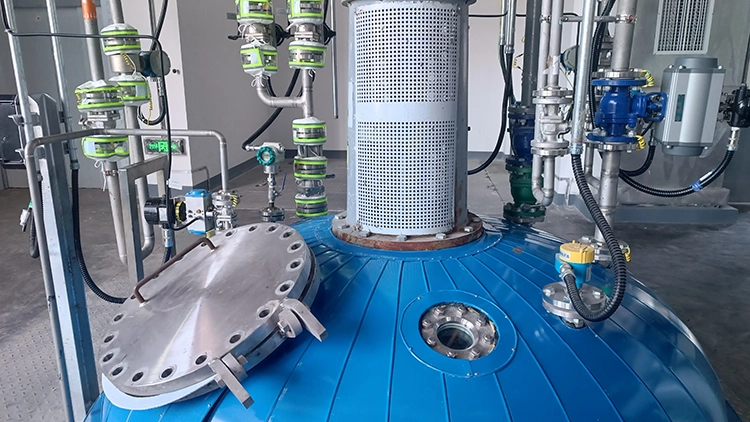
Vantaggi pratici: Assicurano la sicurezza contro le esplosioni e la resistenza alla corrosione, garantendo al contempo l'accuratezza dei processi produttivi, la riduzione delle perdite di materiale e la conformità alle severe normative del settore.
6.3 Lavorazione di cereali e mangimi
In agricoltura, nello stoccaggio dei cereali e nella lavorazione dei mangimi, i sensori a ultrasuoni vengono utilizzati per:
- Monitoraggio del livello del silo: Monitorare con precisione il volume di stoccaggio di materiali solidi come cereali, farina, mangimi e pellet nei silos, consentendo una gestione visiva dell'inventario in tempo reale.
- Controllo del livello della tramoggia: Ottimizzare i processi di alimentazione e scarico, evitando tramogge vuote o traboccanti e migliorando l'efficienza della produzione.
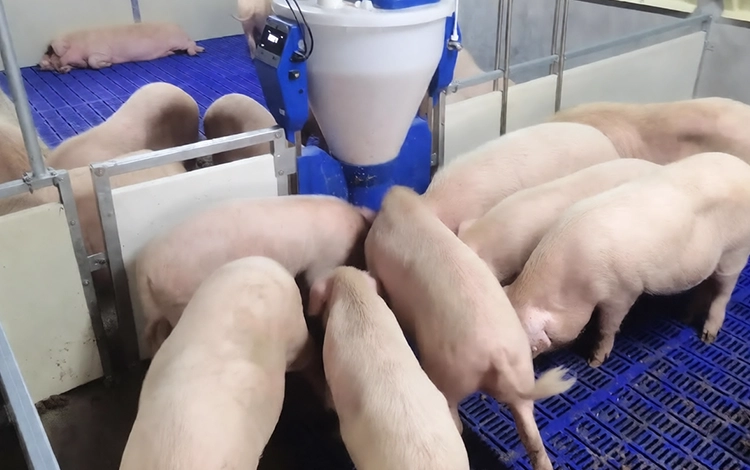
Vantaggi pratici: Ottenere un monitoraggio preciso dei materiali sfusi, ottimizzare il turnover delle scorte, ridurre i rischi di inventario manuale e migliorare i livelli di automazione.
6.4 Produzione intelligente e automazione industriale
Come livello di rilevamento chiave nell'era dell'Industria 4.0, i dati dei sensori a ultrasuoni possono essere integrati senza problemi nelle linee di produzione automatizzate e nelle piattaforme IoT:
- Automazione della linea di produzione: Forniscono input in tempo reale del livello di liquidi/materiali per il riempimento, il confezionamento, la miscelazione e altre fasi di produzione automatizzate, consentendo un controllo preciso.
- Monitoraggio dello stato delle apparecchiature: I dati di livello, combinati con le informazioni provenienti da altri sensori, consentono di monitorare lo stato di salute delle apparecchiature e di segnalare tempestivamente i guasti.
Vantaggi pratici: Fornire un supporto di dati precisi e in tempo reale, favorire la trasformazione dell'automazione industriale e migliorare l'efficienza produttiva e le capacità di produzione flessibile.
Guardare avanti: L'integrazione dei sensori intelligenti a ultrasuoni e l'Industria 4.0
7.1 Tecnologia dei sensori intelligenti a ultrasuoni: Verso l'intelligenza
I futuri sensori a ultrasuoni non saranno solo strumenti di misura, ma anche unità di edge computing con un'intelligenza superiore:
- Intelligenza integrata e funzioni di autodiagnosi: I sensori incorporeranno microprocessori più potenti, in grado di analizzare autonomamente i dati, prevedere le tendenze e diagnosticare i guasti, ad esempio segnalando il degrado delle prestazioni o le anomalie di misurazione.
- Configurazione remota e pre-elaborazione dei dati: Supporto della configurazione remota dei parametri e degli aggiornamenti del firmware tramite comunicazione wireless (ad esempio, LoRaWAN, NB-IoT). I sensori eseguiranno il filtraggio dei dati grezzi, la calibrazione e l'analisi preliminare a livello locale, riducendo l'onere dei sistemi di controllo centrali e migliorando l'efficienza della trasmissione dei dati.
- Fusione multisensore: Fusione con i dati di altri sensori (ad esempio, temperatura, pressione, umidità) per fornire una consapevolezza ambientale più completa, migliorando la robustezza e l'accuratezza delle misure.
7.2 Strategia di integrazione IIoT e manutenzione predittiva
I sensori a ultrasuoni saranno profondamente integrati nell'Industrial Internet of Things (Internet delle cose).IIoT Integrazione) dell'ecosistema:
- Accesso ai dati senza soluzione di continuità: I dati dei sensori possono essere caricati senza problemi su piattaforme IIoT locali o in cloud tramite protocolli standard come OPC UA e MQTT.
- Manutenzione predittiva: Utilizzare i dati in tempo reale sul livello del liquido, lo stato operativo e le informazioni di autodiagnosi fornite dai sensori, combinati con l'analisi dei big data e l'apprendimento automatico, per ottenere la manutenzione predittiva delle apparecchiature. Ad esempio, monitorando i cambiamenti nella qualità del segnale eco, è possibile prevedere potenziali guasti del sensore, consentendo di intervenire prima che si verifichi il guasto, riducendo in modo significativo i tempi di fermo non pianificati.
- Monitoraggio e gestione a distanza: Consente agli utenti di monitorare in remoto lo stato e i dati dei sensori di livello dei liquidi distribuiti a livello globale tramite dispositivi mobili o interfacce web, consentendo una gestione centralizzata e operazioni ottimizzate.
7.3 Innovazione continua: Il futuro del rilevamento di livello senza contatto
In qualità di produttore leader, continueremo a investire in ricerca e sviluppo, promuovendo costantemente innovazioni nel campo dei sensori a ultrasuoni nelle seguenti aree:
- Maggiore precisione e stabilità: Esplorare nuovi materiali acustici, tecnologie di modellazione del fascio e algoritmi di elaborazione del segnale per migliorare ulteriormente la precisione di misurazione del sensore e la stabilità a lungo termine.
- Connettività e sicurezza migliorate: Sviluppare opzioni di comunicazione wireless più sicure e robuste per supportare le crescenti esigenze di integrazione IIoT e di sicurezza dei dati.
- Miniaturizzazione ed efficienza energetica: Si concentra sulla creazione di sensori più piccoli e più efficienti dal punto di vista energetico per una più ampia diffusione in applicazioni con limiti di spazio e alimentate a batteria.
Conclusione
In qualità di produttore professionista e leader tecnologico nel campo dei sensori di livello a ultrasuoni, non solo forniamo prodotti eccellenti, ma anche soluzioni complete e un'assistenza tecnica senza pari.
- Servizi di consulenza professionale: Il nostro team di esperti comprenderà a fondo i vostri scenari applicativi e le vostre sfide specifiche, personalizzando la soluzione di sensori di livello a ultrasuoni più adatta a voi.
- Sviluppo di prodotti personalizzati: Per condizioni di lavoro particolari o requisiti di personalizzazione unici, possediamo forti capacità di R&S per fornire servizi di progettazione e produzione di prodotti altamente personalizzati.
- Assistenza per l'intero ciclo di vita: Dalla consulenza pre-vendita, alla guida alla scelta, all'installazione e alla messa in funzione, fino alla manutenzione post-vendita e alla risoluzione dei problemi, offriamo un'assistenza tecnica unica e per l'intero ciclo di vita, per garantire che il vostro sistema di misura funzioni in modo stabile ed efficiente a lungo termine.
Scegliere noi significa scegliere voi:
- Qualità eccezionale: Grazie ai rigorosi standard di produzione e al controllo di qualità.
- Tecnologia di punta: Basata su continui investimenti in R&S e innovazione.
- Servizio affidabile: Da un team di professionisti e da una filosofia aziendale incentrata sul cliente.
Lavoriamo insieme per esplorare le infinite possibilità della misura di livello senza contatto e dare forza al vostro futuro industriale!
Domande frequenti
D1: Perché scegliere i sensori di livello a ultrasuoni rispetto ai tradizionali metodi di misura a contatto?
A1: I sensori di livello a ultrasuoni offrono vantaggi significativi grazie alla loro natura senza contatto, che li rende immuni alla corrosione, all'abrasione e all'intasamento del fluido misurato. Offrono inoltre una manutenzione ridotta, una maggiore affidabilità e sono adatti a un'ampia gamma di liquidi e solidi, riducendo i costi operativi e i rischi per la sicurezza.
D2: In quali condizioni ambientali difficili possono operare i sensori di livello a ultrasuoni e quali sono i loro limiti?
A2: I sensori a ultrasuoni avanzati possono misurare efficacemente in liquidi altamente corrosivi, fanghi viscosi o materiali con particelle abrasive. Grazie a progetti e algoritmi specifici, possono funzionare in modo robusto anche in ambienti con schiuma, polvere, vapore e condensa. Tuttavia, non sono generalmente adatti a condizioni di vuoto o a superfici altamente turbolente senza un tubo di calma.
Q3: Come faccio a selezionare il sensore di livello a ultrasuoni corretto per la mia applicazione specifica?
A3: I criteri di selezione fondamentali comprendono la valutazione delle caratteristiche del fluido (viscosità, schiuma, vapore, corrosività), il campo di misura e l'accuratezza richiesti, i fattori ambientali (temperatura, pressione, vibrazioni, umidità, grado di protezione IP), le certificazioni di protezione dalle esplosioni (come IECEx/ATEX, se applicabile) e la compatibilità con i sistemi di controllo esistenti (ad esempio, 4-20mA, Modbus).
D4: Quali sono le migliori pratiche di installazione per garantire letture accurate e affidabili da un sensore di livello a ultrasuoni?
A4: Per una corretta installazione è necessario scegliere una posizione priva di ostacoli interni (agitatori, tubi), evitare ingressi diretti di liquido e mantenere una distanza sufficiente dalle pareti del contenitore. L'uso di tubi di calma o guide d'onda può attenuare i problemi di turbolenza o di falsi echi. Inoltre, sono essenziali un attento debug in loco e l'ottimizzazione dei parametri.
D5: Qual è la differenza principale tra un sensore di livello a ultrasuoni e un sensore di livello radar e quando è opportuno utilizzare l'uno rispetto all'altro?
A5: I sensori a ultrasuoni utilizzano onde sonore e sono influenzati dalle variazioni di temperatura, pressione e vapore dell'aria. I sensori radar utilizzano onde elettromagnetiche, che in genere non sono influenzate da questi fattori, ma possono essere influenzate dalla costante dielettrica del mezzo. Gli ultrasuoni sono in genere più convenienti per le applicazioni più semplici, mentre il radar è spesso preferito per le misure ad alta temperatura/pressione, nel vuoto o per le misure altamente precise in mezzi complessi.
D6: In che modo i “sensori intelligenti a ultrasuoni” contribuiscono all'Industria 4.0 e quali vantaggi offrono?
A6: I sensori intelligenti a ultrasuoni stanno diventando unità di elaborazione intelligenti edge con intelligenza incorporata, funzioni di autodiagnosi e capacità di configurazione remota. Si integrano perfettamente con le piattaforme IIoT tramite protocolli come MQTT/OPC UA, consentendo l'accesso ai dati in tempo reale, l'analisi avanzata e facilitando le strategie di manutenzione predittiva per ridurre i tempi di fermo e ottimizzare le operazioni.
-
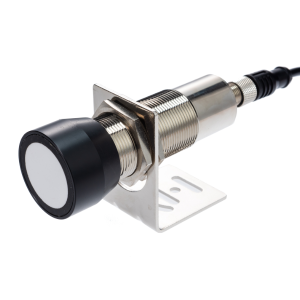
ISSR 4M Sensore di distanza a ultrasuoni tutto in uno Interruttore di livello/uscita analogica/digitale
-
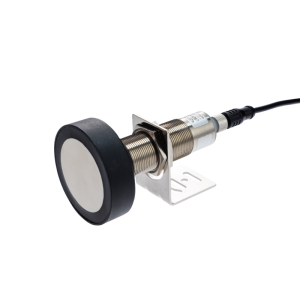
ISSR 6M Sensore di livello a ultrasuoni|Multi-uscita analogica/di commutazione/digitale
-
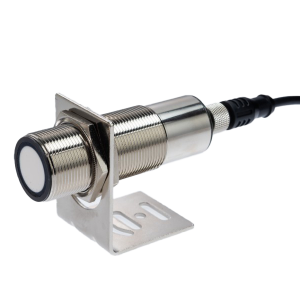
ISSR 3M Sensore di livello a ultrasuoni tutto in uno | Analogico/di commutazione/digitale
-
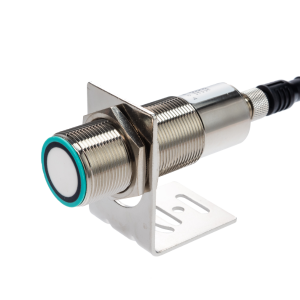
ISSR Sensore di livello per liquidi a ultrasuoni 2M completamente integrato
-
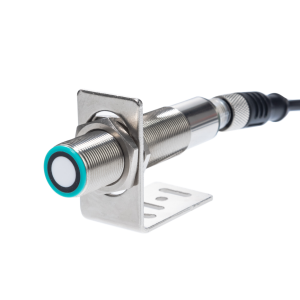
ISSR Sensore a ultrasuoni tutto in uno: Rilevamento di oggetti e livelli a 1 m di distanza
-
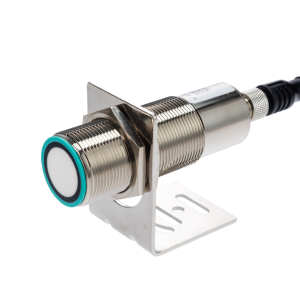
ISSR Sensore a ultrasuoni 500MM tutto in uno: Interruttore, uscita analogica e dati
-
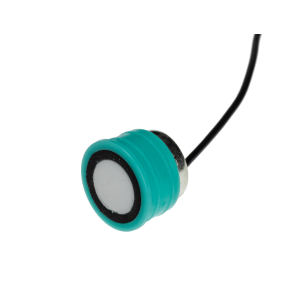
ISSR 200kHz Sensore a trasduttore a ultrasuoni ad alta sensibilità per il rilevamento del doppio foglio e della distanza