


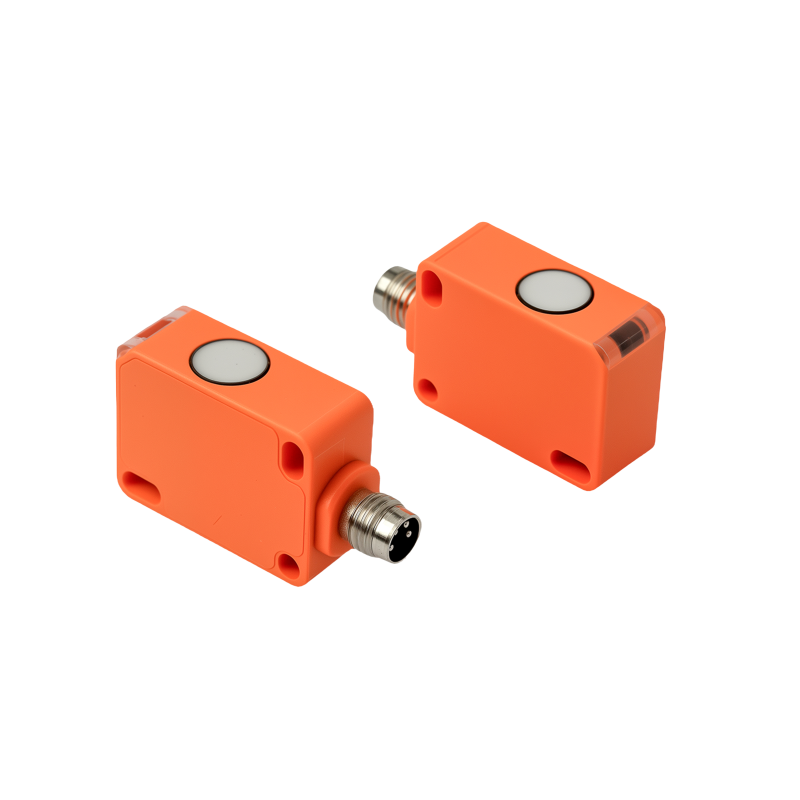
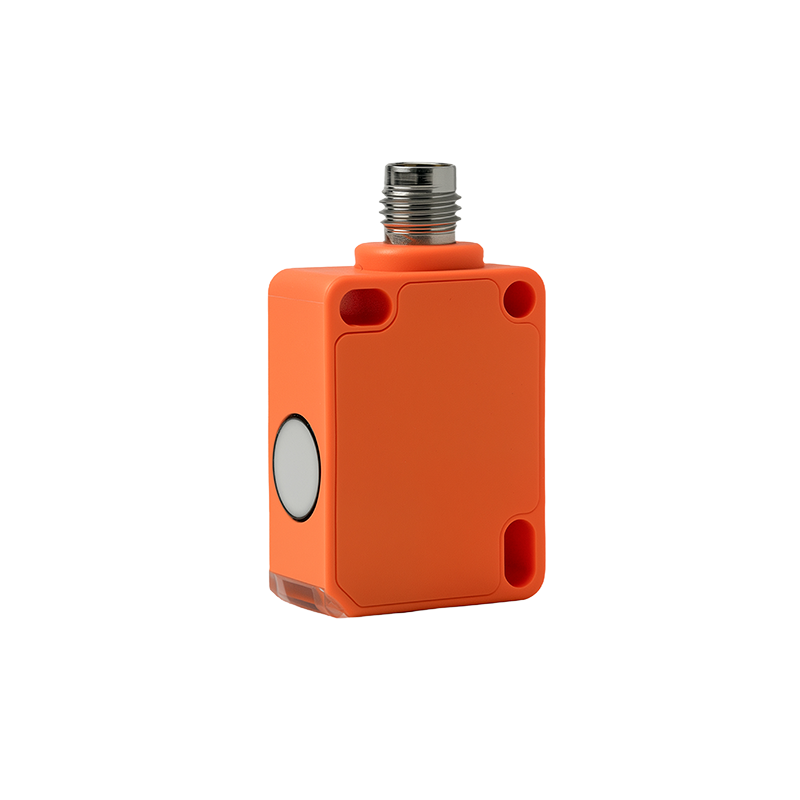
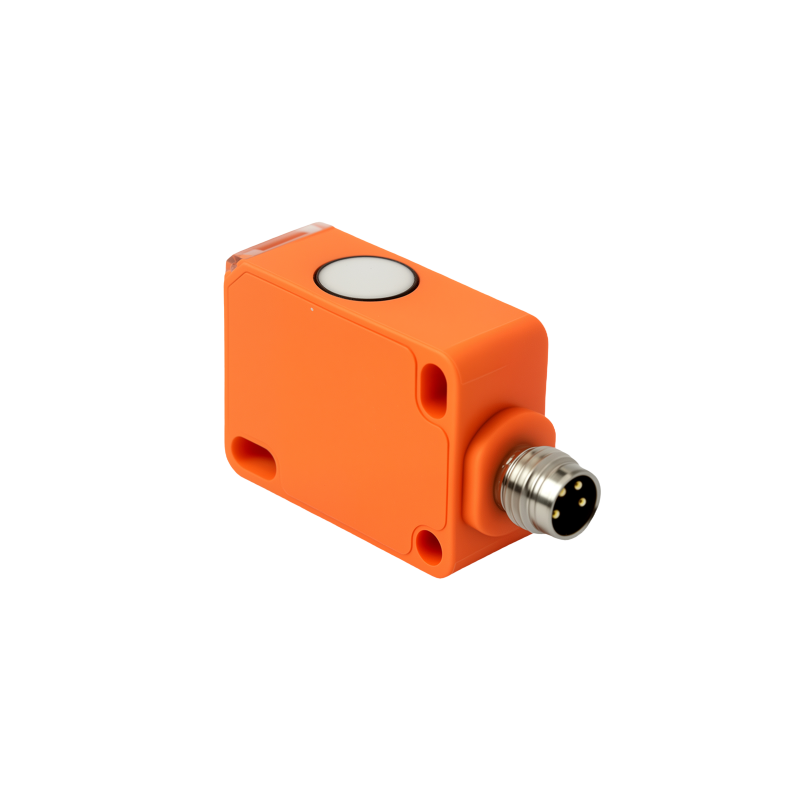
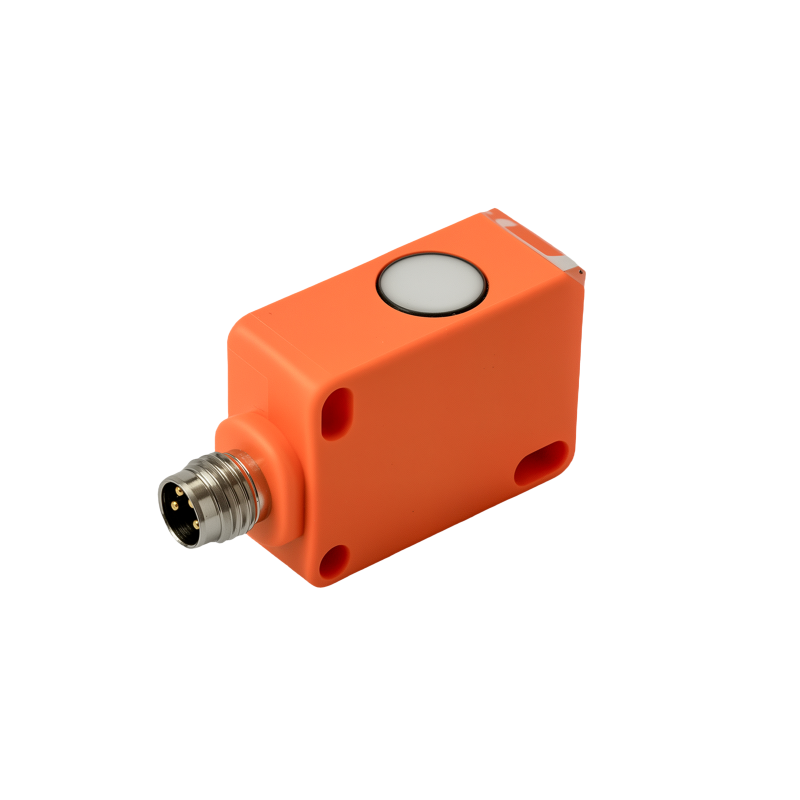
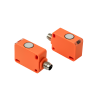
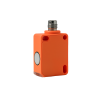
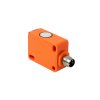
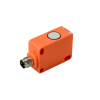
ISUB250-F77K12
F77 0.25M Square Miniature Ultrasonic Proximity Switch
Miniature Design, 250mm Sensing Range, IP67 Waterproof, Transparent Object Detection, High Switching Frequency, Small Blind Zone, NPN/PNP Output, Background Suppression, PCB Detection, Liquid Level Monitoring
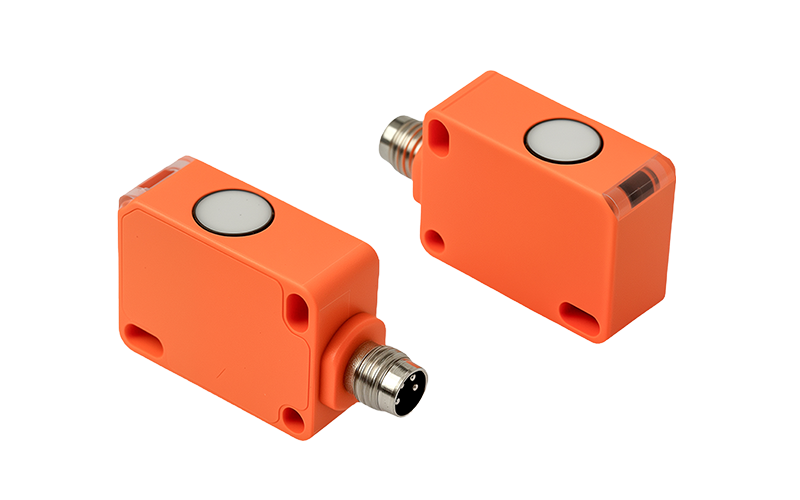
The F77 ultrasonic proximity switch is a high-performance, small proximity sensor designed for the rigorous demands of modern industrial automation. Engineered with a compact rectangular proximity sensor housing, this non contact proximity sensor delivers exceptional reliability in detecting clear, liquid, or solid targets where standard optical sensors fail. Operating on a diffuse proximity sensor principle, it offers a sensing range of up to 250mm and an ultra-small 20mm blind zone. The F77 is the ideal solution for restricted spaces in packaging, electronics assembly, and material handling systems, serving as a highly reliable proximity sensor switch.
Why Choose Ultrasonic Technology?
- Unlike photoelectric sensors that struggle with color variations or transparency, our ultrasonic proximity sensors utilize high-frequency sound waves for detection. If you are wondering how do proximity sensors work in dirty environments, the answer lies in their acoustic technology. This ensures:
- Color Independence: Reliably detects black, white, or shiny objects.
- Transparency Detection: Perfect for clear glass bottles, plastic films, and liquid levels.
- Dust Immunity: Resistant to industrial dust and dirt that often fouls optical lenses.
Key Features & Advantages
- Miniature Footprint: The ultra-compact design fits effortlessly into tight machine geometries, replacing larger, bulkier sensors.
- High Precision: As a high precision proximity sensor with precise background suppression, it minimizes false triggers from background machinery or guide rails.
- Simple "Teach-In" Setup: Features an intuitive learning mode (A1 point) for rapid commissioning without complex programming software.
- Industrial Ruggedness: Built with a durable plastic composite housing, meeting proximity sensors standard (GB/T17626) and rated IP67, ensuring full protection against water ingress and dust.
- Flexible Output Options: Available in multiple proximity sensor types, including pnp proximity sensor and npn proximity sensor configurations to match your PLC requirements.
- High-Speed Response: Optimized switching frequency for fast-moving conveyor lines and rapid object counting.
Electrical & Wiring Specifications
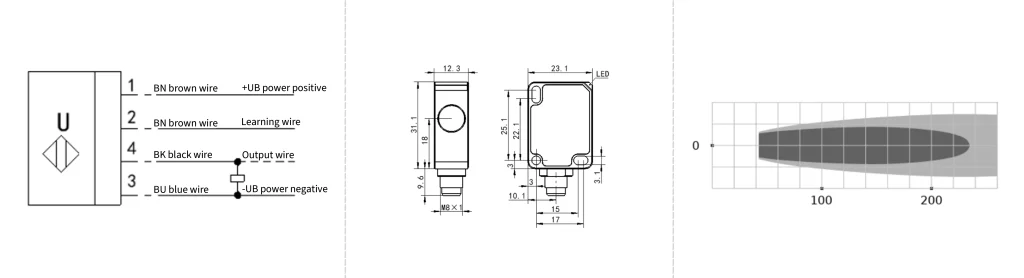
- To accommodate various industrial control systems, the ISUB250-F77K12 series is designed as a 4 wire proximity sensor.
- Voltage: Operates perfectly as a proximity sensor 24v npn or pnp (Operating range: 20...30V DC).
- Connection: Features a standard V31 connector (M8×1, 4-pin) for a secure proximity sensor cable connection.
- Variants:
- E0 Model: NPN Normally Open (NO)
- E1 Model: NPN Normally Closed (NC)
- E2 Model: PNP Normally Open (NO)
- E3 Model: PNP Normally Closed (NC)
- (Note: Please refer to the proximity sensor wiring diagram in our downloadable manual for exact wiring a proximity sensor instructions and proximity sensor 4 wire connection details.)
Common Applications
The F77 ultrasonic proximity switch is versatile across multiple sectors:
- Packaging Industry: Detecting transparent bottles, counting clear films, and monitoring roll diameters.
- Electronics (PCB): Precise detection of printed circuit boards on mini-conveyors (dark/shiny surfaces).
- Liquid Level Control: Non-contact level monitoring in small tanks or vials.
- Robotics: End-of-arm tooling (EOAT) for grip verification and obstacle avoidance.
常见问题
Q1. What is a proximity sensor and what is its meaning?
- A1. By definition, a proximity sensor is a device capable of detecting the presence or absence of nearby objects without any physical contact. The meaning of proximity sensor in automation is to provide contactless feedback to a control system.
Q2. How does a proximity sensor work?
- A2. If you are asking "proximity sensor what is its working principle?", our ultrasonic models emit high-frequency sound pulses. When these sound waves hit a target, they echo back. The sensor calculates the time it takes for the echo to return to determine the distance.
Q3. Proximity sensor PNP vs NPN: Which one do I need?
- A3. Understanding types of proximity sensors is crucial. An NPN proximity sensor (sinking) switches the negative voltage to the output, making it ideal for standard Asian/US PLCs. A PNP proximity sensor (sourcing) switches the positive voltage, commonly used in European PLCs. We offer both a proximity switch sensor npn and PNP versions to suit your system.
Q4. How to test a proximity sensor?
- A4. For a quick proximity sensor test, supply the correct voltage (e.g., 24V DC). Place an object within the 20-250mm range. The LED should illuminate or flash based on your NO/NC model, indicating a successful detection.
Q5. What does "define proximity sensor" mean in an industrial context?
- A5. To define proximity sensor in industrial terms, it is a robust, solid-state electronic switch triggered by the physical approach of an object. Unlike mechanical limit switches, there is no physical wear, which ensures a much longer operational lifespan.
规格
Technical Parameters
| 检测范围 | 20 ~ 250mm |
|---|---|
| 调节范围 | 45 ~ 250mm |
| 盲区 | 0 ~ 20mm |
| Standard Detection Plate | 100 x 100mm |
| 角度 | ±5° |
| Sensor Frequency | Approx. 300 kHz |
| 响应延迟 | ≤50ms |
| Power-On Delay | ≤250ms |
| 工作电压 | 20-30V DC, 10%Vpp |
| No-Load Current | ≤30mA |
| LED Yellow Light | Solid on: Switch (closed) Blinking: Target detected in learning mode |
| LED Red Light | Solid on: Switch (open) Blinking: Target not detected in learning mode |
Input
| Input Type | A1, learning line connected to -UB |
|---|
Output
| 输出类型 | PNP normally open |
|---|---|
| 额定工作电流 | 200 mA |
| Short-Circuit/Overload Protection | Yes |
| Voltage Drop | ≤2 V |
| Default Setting | A1 = 250 mm |
| 重复精度 | ±1 mm |
| 磁滞范围 | 2.5 mm |
| 温度漂移 | 0.17%/K |
Characteristics
| 工作温度 | –10°C ~ +50°C |
|---|---|
| 存储温度 | –40°C ~ +60°C |
| 电磁兼容性 | GB/T 17626.2–2006; GB/T 17626.4–2008; |
| Protection Rating | IP67 |
| Connection Type | V31 connector (M8×1), 4-pin |
| Housing Material | Plastic, epoxy resin + glass beads |
| Weight | Approx. 13g |
| Maximum Connector Torque | 0.2 Nm |
电气连接/外形尺寸/响应特性曲线
典型应用
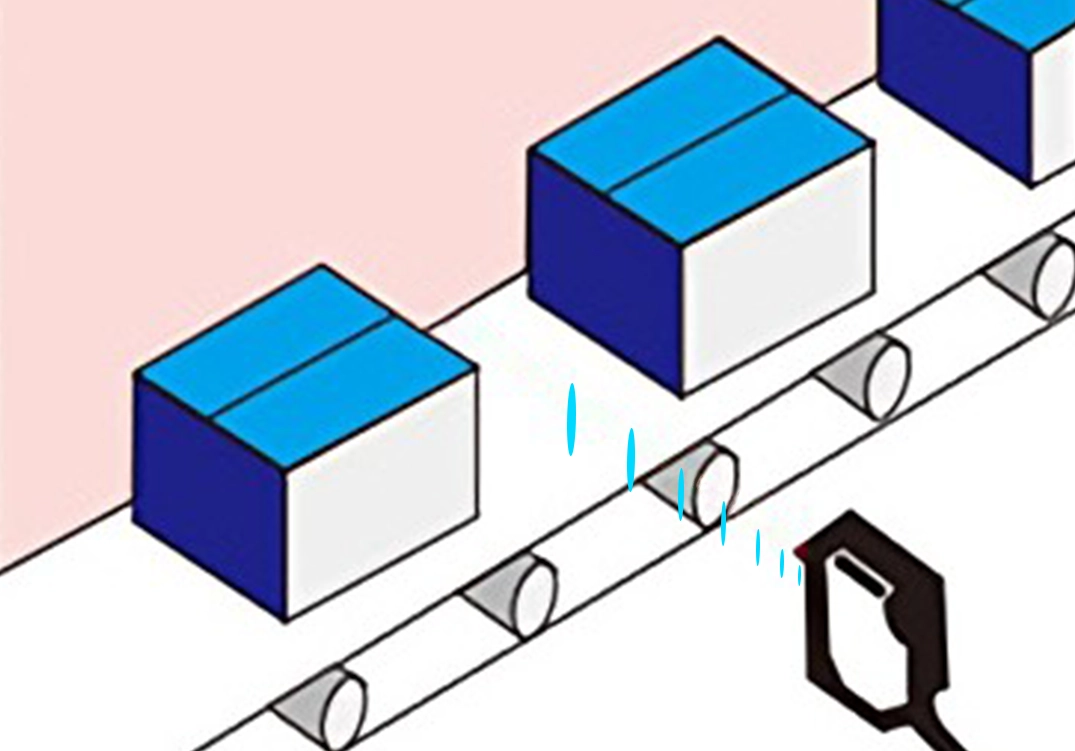
The ISUB250-F77K12 excels in object detection on conveyor belts, specifically within space-constrained industrial setups. Its ultra-compact 12mm flat housing allows for seamless integration into tight machinery gaps or side rails where standard cylindrical sensors cannot fit. Engineered with 300kHz high-frequency technology and a minimal 20mm blind zone, it delivers precise counting and presence verification for transparent objects (such as bottles and films) as well as dark, non-reflective materials on high-speed moving lines. This ensures reliable NPN switching signals for packaging, PCB assembly, and logistics automation, unaffected by target color or lighting changes.