


1. مقدمة
مع التطور السريع في الأتمتة والذكاء، أصبحت أجهزة الاستشعار التكنولوجيا الأساسية للحصول على المعلومات والإدراك البيئي، وتستخدم على نطاق واسع في النقل الذكي والأتمتة الصناعية والمراقبة البيئية. وفقًا لتقارير أبحاث السوق، فإن الطلب في السوق على أجهزة الاستشعار بالموجات فوق الصوتية و ليدار من المتوقع أن ينمو بشكل كبير في السنوات القادمة لتلبية متطلبات التطبيقات المعقدة بشكل متزايد في الأتمتة الصناعية والنقل الذكي والمراقبة البيئية. من بين هذه المستشعرات، تُعد المستشعرات فوق الصوتية وتقنية LiDAR تقنيتي استشعار شائعتين ومهمتين. في مجالات مثل الكشف عن المستوى، والأتمتة الصناعية، والنقل الذكي، تتمتع كلتا التقنيتين بمزايا فريدة من نوعها، وتلبي الاحتياجات المختلفة.
تحدد أجهزة الاستشعار بالموجات فوق الصوتية المسافة بين جسم ما وجهاز الاستشعار عن طريق إصدار موجات صوتية عالية التردد وقياس الوقت الذي تستغرقه الموجات للعودة. وهي تستخدم على نطاق واسع في قياس المستوى، والكشف عن مستوى المواد السائبة، والكشف عن العوائق بسبب تكلفتها المنخفضة وموثوقيتها العالية وقدرتها القوية على التكيف. ومع ذلك، نظرًا للخصائص الفيزيائية للموجات الصوتية، فإن نطاق الكشف الفعال لأجهزة الاستشعار بالموجات فوق الصوتية عادةً ما يكون محدودًا وقد يتعرض لتدهور الأداء في البيئات المعقدة.
من ناحية أخرى، تستخدم تقنية LiDAR المسح بالليزر لقياس المسافة والحصول على نماذج بيئية عالية الدقة. وبفضل دقة تحديد المدى المتميزة والمدى الفعال الأكبر، يُظهر نظام ليدار إمكانات كبيرة في مجالات مثل القيادة الذاتية والملاحة الآلية ونظم المعلومات الجغرافية. ومع ذلك، فإن تكلفة أنظمة LiDAR مرتفعة نسبيًا، ويمكن أن يتأثر الأداء في ظل ظروف بيئية معينة، مثل أشعة الشمس الشديدة.
تهدف هذه المقالة إلى إجراء مقارنة شاملة بين أجهزة الاستشعار بالموجات فوق الصوتية وأجهزة الاستشعار بالليزر (LiDAR)، وتحليل المبادئ التقنية وخصائص الأداء وسيناريوهات التطبيق والجوانب الاقتصادية لكل منهما. من المأمول أن تساعد هذه الورقة القراء في اتخاذ خيارات مستنيرة في بيئات تطبيقية محددة لتعظيم مزايا هاتين التقنيتين.
2. نظرة عامة على المبادئ الفنية
يعد فهم مبدأ عمل تقنية الاستشعار أمرًا بالغ الأهمية عند اختيار التقنية المناسبة. ستتناول الأقسام التالية بالتفصيل مبادئ عمل أجهزة الاستشعار بالموجات فوق الصوتية وأجهزة الاستشعار بالليزر (LiDAR)، إلى جانب خصائصها ومزاياها.
2.1 أجهزة الاستشعار بالموجات فوق الصوتية
مبدأ العمل
تستخدم أجهزة الاستشعار بالموجات فوق الصوتية خصائص انتشار الموجات الصوتية لقياس المسافة. ينطوي المبدأ الأساسي على إصدار موجات فوق صوتية عالية التردد (عادةً ما تكون أعلى من 20 كيلو هرتز) وحساب الوقت الذي تستغرقه الموجة الصوتية للانتقال من المستشعر إلى سطح الجسم والعودة إلى المستشعر. باستخدام المعادلة:
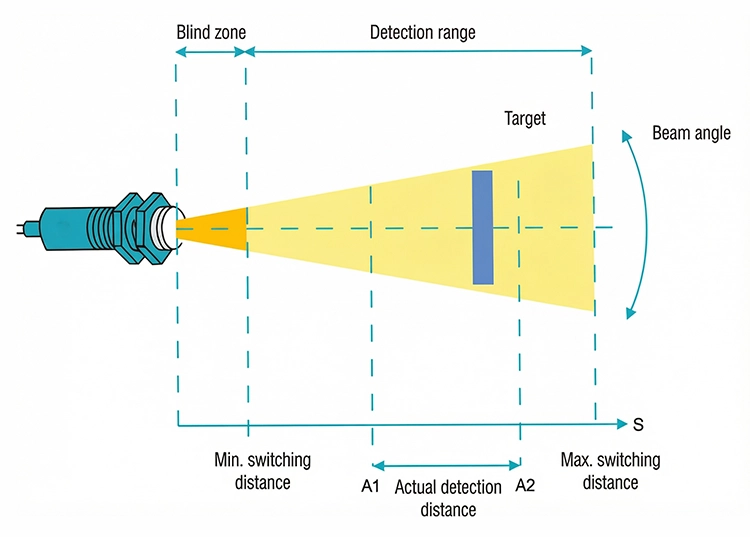
تسمح هذه المعادلة للمستشعر بقياس المسافة بين الجسم والمستشعر بدقة.
الخصائص والمزايا
- فعالة من حيث التكلفة: مقارنةً بمستشعرات الليدار، فإن أجهزة الاستشعار بالموجات فوق الصوتية أقل تكلفة بشكل عام، مما يجعلها خياراً اقتصادياً للعديد من التطبيقات.
- موثوقية قوية: تُظهر المستشعرات فوق الصوتية أداءً مستقرًا ويمكن أن تعمل في ظل ظروف بيئية قاسية نسبيًا، مثل درجات الحرارة العالية والبيئات المتربة.
- سهلة الاستخدام: إن تركيب وتصحيح أخطاء أجهزة الاستشعار بالموجات فوق الصوتية بسيط نسبيًا، مما يجعلها مناسبة لمختلف البيئات الصناعية وسيناريوهات التطبيقات.
2.2 ليدار 2.2
مبدأ العمل
تحدِّد أنظمة ليدار المسافة إلى جسم ما من خلال انبعاث أشعة الليزر وقياس الوقت المستغرق لعودة الأشعة. وعلى وجه التحديد، عندما يصطدم شعاع الليزر بالجسم المستهدف، يحسب النظام الوقت الذي يستغرقه انبعاث أشعة الليزر وانعكاسها وعودتها إلى جهاز الاستقبال. يمكن حساب المسافة باستخدام المعادلة التالية:
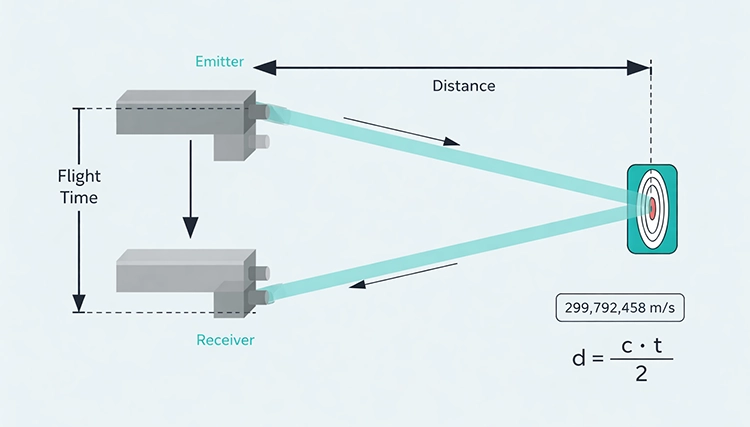
يمكن لدار ليدار أن تبعث آلاف النبضات بسرعة وتتفاعل مع الأجسام الموجودة في البيئة، مما يولد نماذج بيئية ثلاثية الأبعاد عالية الدقة في الوقت الحقيقي.
الخصائص التقنية وحدود التطبيق
- دقة قياس عالية: يوفر الليدار دقة ودقة عالية للغاية لقياس المسافة، مما يجعله مناسبًا للتصور التفصيلي والنمذجة في البيئات المعقدة.
- نطاق فعّال ممتد: واعتمادًا على الطراز، يمكن أن يحقق الليدار الليزري نطاقات قياس تتراوح من عدة عشرات من الأمتار إلى عدة مئات من الأمتار، مما يجعله مثاليًا لمجموعة واسعة من سيناريوهات التطبيق.
- القدرة على معالجة البيانات: يمكن لتقنية الليدار معالجة كميات هائلة من البيانات في وقت قصير لإنشاء صور مكانية ثلاثية الأبعاد، ولكن هذا يعني أيضًا أن لها متطلبات عالية لمعالجة البيانات وقوة الحوسبة.
- الاعتماد على البيئة: يمكن أن يتأثر أداء الليدار بالليزر بشكل كبير بالعوامل البيئية، مثل الأمطار الغزيرة والضباب والضوء القوي، مما قد يؤدي إلى انخفاض دقة القياس. ولذلك، في بعض الظروف البيئية المعقدة، قد يتأثر أداء الليدار بشدة في بعض الظروف البيئية المعقدة.
وباختصار، لكل من أجهزة الاستشعار بالموجات فوق الصوتية وأجهزة الاستشعار بالليدار خصائص تقنية فريدة ومزايا تطبيقية. سيساعد فهم مبادئ عمل كل منهما ونقاط القوة والضعف في كل منهما المستخدمين على اتخاذ خيارات تطبيقية أفضل عند اختيار تقنية الاستشعار المناسبة.
3. مقارنة الأداء
عند الاختيار بين أجهزة الاستشعار بالموجات فوق الصوتية و LiDAR، فإن فهم الاختلافات في أدائها أمر بالغ الأهمية. سيقارن هذا القسم بين هذه التقنيات استناداً إلى عوامل رئيسية مثل دقة المدى ونطاق الكشف والقدرة على التكيف البيئي.
3.1 دقة المدى 3.1 دقة المدى
دقة أجهزة الاستشعار بالموجات فوق الصوتية ومداها
دقة تحديد المدى أجهزة الاستشعار بالموجات فوق الصوتية يتراوح عادةً بين ± 1% و± 3%، مما يعني أن أداءها مستقر نسبيًا للمسافات القصيرة في ظل ظروف بيئية مواتية، مما يجعلها مناسبة للغاية لتطبيقات مثل قياس المستوى واكتشاف العوائق.
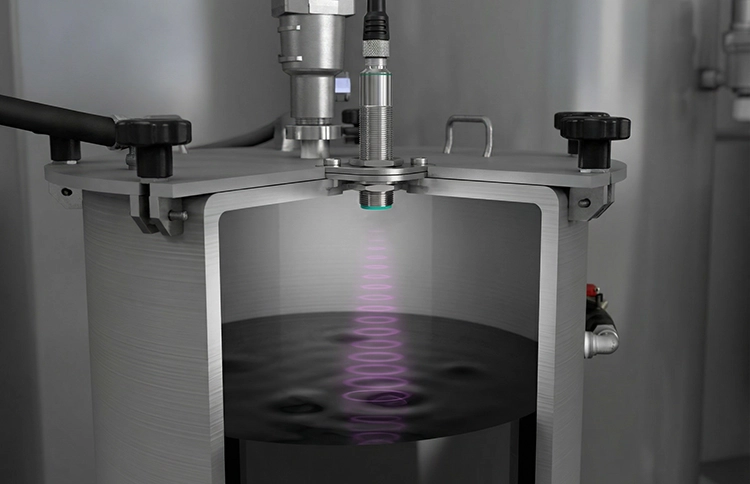
يتراوح نطاق قياسها الفعال بشكل عام بين 0.2 متر إلى 10 أمتار، اعتماداً على نوع المجس والعوامل البيئية. على الرغم من أن أجهزة الاستشعار بالموجات فوق الصوتية تعمل بشكل جيد على مسافات قصيرة، إلا أن دقتها قد تنخفض في القياسات البعيدة المدى، وتتأثر إلى حد كبير بخصائص انتشار الموجات الصوتية وخصائص الأجسام.
ميزة الدقة العالية التي يتميز بها نظام ليدار
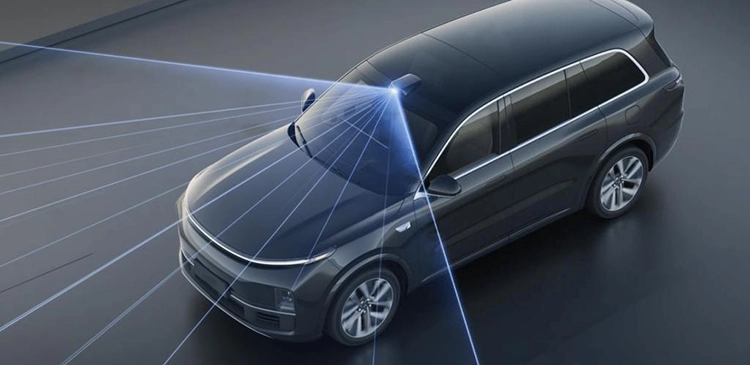
يحقق الليدار الليزري دقة قياس مدى تصل إلى ± 1 سنتيمتر أو أعلى، مما يجعله مناسبًا بشكل خاص للتطبيقات التي تتطلب دقة عالية. يعتمد LiDAR على الاختلافات الدقيقة في وقت عودة نبضات الليزر لتحقيق قياسات دقيقة، مع نطاقات قياس فعالة تتراوح بين عدة عشرات من الأمتار إلى عدة مئات من الأمتار، اعتمادًا على النموذج وبيئة الاستخدام. هذه الميزة عالية الدقة تجعل ميزة LiDAR قابلة للتطبيق على نطاق واسع في النمذجة ثلاثية الأبعاد والمركبات ذاتية القيادة والسيناريوهات التي تتطلب تحديداً دقيقاً وتقييماً دقيقاً للعقبات وتقييم المسافة.
3.2 نطاق الكشف
المسافة الفعّالة لأجهزة الاستشعار بالموجات فوق الصوتية مقابل الليدار
يتأثر نطاق الكشف لأجهزة الاستشعار بالموجات فوق الصوتية بشدة بالعوامل البيئية مثل درجة الحرارة والرطوبة والضوضاء. في البيئات الداخلية التي يتم التحكم فيها بشكل جيد، يمكن أن تصل الموجات فوق الصوتية إلى مسافة كشف معينة، ولكن قد ينخفض نطاقها الفعال بشكل كبير في الظروف القاسية. وعلى العكس من ذلك، فإن نطاق الكشف باستخدام الليدار أوسع نسبيًا وأقل تأثرًا بالعوائق المادية، مما يسمح بإجراء قياسات دقيقة لمسافات طويلة. ومع ذلك، في ظل بعض الظروف الجوية السيئة، مثل الضباب الكثيف أو الضوء الساطع، يمكن أن يكون أداء الليدار في خطر، مما قد يؤدي إلى بيانات غير دقيقة أو مفقودة.
3.3 القدرة على التكيف البيئي
معالجة التداخل من درجة الحرارة والرطوبة والإضاءة
نظرًا لمبادئ عملها، تكون أجهزة الاستشعار بالموجات فوق الصوتية عرضة للتداخل من درجة الحرارة والرطوبة. في البيئات ذات درجات الحرارة العالية أو المنخفضة، قد تختلف سرعة الصوت، مما يؤثر على نتائج القياس. بالإضافة إلى ذلك، يمكن أن تؤثر العوامل البيئية مثل الرياح القوية وهطول الأمطار على انتقال الموجات فوق الصوتية.
يؤدي نظام ليدار بشكل عام أداءً أفضل في التكيف البيئي، على الرغم من أنه يمكن أن يتأثر أيضًا بالضوء القوي والمطر والضباب. عادةً ما تكون أنظمة ليدار عالية الجودة مزودة بخوارزميات ترشيح وتصحيح مختلفة للتغلب على هذه التداخلات بفعالية. ومع ذلك، لا يزال الحفاظ على الأداء في ظل الظروف الجوية القاسية (مثل الأمطار الغزيرة) يمثل تحديًا.
وباختصار، تُظهر أجهزة الاستشعار بالموجات فوق الصوتية وأجهزة الاستشعار بالليدار أوجه تشابه واختلاف من حيث دقة المدى ومدى الكشف والقدرة على التكيف البيئي. تُعد أجهزة الاستشعار بالموجات فوق الصوتية أكثر ملاءمة للتطبيقات قصيرة المدى، بينما تتفوق أجهزة LiDAR في السيناريوهات التي تتطلب قياسات بعيدة المدى وعالية الدقة. عند اختيار المعدات المناسبة، يجب على المستخدمين تكييف قراراتهم بناءً على احتياجات التطبيق المحددة والظروف البيئية.
4. التكلفة والاقتصاد
عند تقييم مدى ملاءمة أجهزة الاستشعار بالموجات فوق الصوتية مقابل أجهزة استشعار ليدار، غالبًا ما تكون التكلفة والاقتصاديات عاملين حاسمين. يقارن التحليل التالي بين الاستثمار الأولي وتكاليف الصيانة على المدى الطويل.
4.1 الاستثمار الأولي: تسعير المعدات وتكاليف التركيب
أجهزة الاستشعار بالموجات فوق الصوتية
تتميز أجهزة الاستشعار بالموجات فوق الصوتية باستثمارات أولية منخفضة نسبيًا، تتراوح عادةً من عشرات إلى مئات الدولارات، مما يجعلها خيارًا مثاليًا للعديد من الشركات الصغيرة والمتوسطة الحجم التي تسعى إلى التحكم في تكاليف استثمارات المعدات. على سبيل المثال، قللت مزرعة معينة من إهدار موارد المياه ووفرت آلاف الدولارات من التكاليف التشغيلية السنوية من خلال نشر أجهزة استشعار المستوى بالموجات فوق الصوتية. عملية التركيب مباشرة، وعادةً لا تتطلب فنيين محترفين، مما يقلل بشكل كبير من تكاليف التركيب. ولذلك، بالنسبة للتطبيقات التي تحتاج إلى نشر واسع النطاق بميزانية محدودة، تمثل أجهزة الاستشعار بالموجات فوق الصوتية خياراً جذاباً. نظرًا لتصميمها الناضج، هناك مجموعة غنية من أجهزة الاستشعار بالموجات فوق الصوتية المتاحة في السوق، مما يسمح للمستخدمين باختيار النماذج المناسبة بناءً على الاحتياجات والميزانيات المحددة. وقد أدت هذه الخاصية إلى انتشار استخدام أجهزة الاستشعار بالموجات فوق الصوتية على نطاق واسع في مختلف المجالات، مثل قياس المستوى واكتشاف العوائق.
ليدار
في المقابل، تتطلب تقنية LiDAR استثمارًا أوليًا أعلى، وعادةً ما يتراوح سعره بين عدة آلاف إلى عشرات الآلاف من الدولارات، خاصةً بالنسبة للمعدات عالية الدقة والأداء العالي. في حين أن التركيب بسيط نسبيًا أيضًا، إلا أن تعقيد مكوناته الإلكترونية وأنظمة البرمجيات قد يتطلب تهيئة احترافية، مما يزيد من تكاليف التركيب. على الرغم من أن الاستثمار الأولي لـ LiDAR مرتفع، إلا أن الدقة العالية وقدرات القياس لمسافات طويلة التي يوفرها غالباً ما تجعلها لا يمكن الاستغناء عنها في العديد من التطبيقات الصعبة. على سبيل المثال، في مجالات القيادة الذاتية والمسح عالي الدقة، تتجلى قيمة الليدار في مجالات القيادة الذاتية والمسح عالي الدقة.
4.2 تكاليف الصيانة طويلة الأجل: الفوائد الاقتصادية للتشغيل والصيانة على المدى الطويل
أجهزة الاستشعار بالموجات فوق الصوتية
تتكبد أجهزة الاستشعار بالموجات فوق الصوتية بشكل عام تكاليف صيانة منخفضة على المدى الطويل. ونظرًا لتقنيتها الناضجة نسبيًا ومعدلات فشل المعدات المنخفضة، فإنها لا تتطلب سوى الحد الأدنى من المعايرة الروتينية أثناء الاستخدام اليومي. وتُعد تكلفة الصيانة المنخفضة هذه ميزة كبيرة للتطبيقات التي تتطلب التشغيل المستمر. وبالإضافة إلى ذلك، تتيح مرونة أجهزة الاستشعار بالموجات فوق الصوتية وقابليتها للتكيف التكامل مع مختلف الأنظمة الحالية دون إجراء تعديلات كبيرة على النظام، مما يقلل من التكاليف التشغيلية على المدى الطويل.
ليدار
من ناحية أخرى، فإن تكاليف الصيانة طويلة الأجل لأنظمة الليدار عالية نسبيًا، ويرجع ذلك أساسًا إلى هيكل الأجهزة المعقد وارتفاع مخاطر الأعطال. تتطلب أنظمة ليدار الليدار معايرة وصيانة منتظمة لضمان دقة القياس. إذا تعطلت المعدات، يمكن أن تكون تكاليف الإصلاح كبيرة، خاصة في التطبيقات المؤتمتة عالية الدقة، حيث يمكن أن تتكبد نفقات إضافية لاستبدال قطع الغيار وإعادة المعايرة.
على الرغم من ارتفاع التكاليف التشغيلية طويلة الأجل لتقنية LiDAR، إلا أن دقتها وموثوقيتها غالبًا ما تبرر الاستثمار في مختلف التطبيقات عالية الطلب، مما يعزز في كثير من الأحيان الكفاءة التشغيلية الإجمالية ويقلل من الخسائر الناجمة عن أخطاء القياس.
4.3 التحليل الشامل
عند الاختيار بين أجهزة الاستشعار بالموجات فوق الصوتية وأجهزة استشعار الليدار بالموجات فوق الصوتية، تحتاج الشركات إلى النظر في الاستثمار الأولي وتكاليف الصيانة والفوائد الاقتصادية المحتملة بشكل شامل. تُعد أجهزة الاستشعار بالموجات فوق الصوتية، بتكاليفها المنخفضة وسهولة صيانتها، مناسبة للتطبيقات ذات الميزانيات المحدودة ومتطلبات الدقة المنخفضة نسبيًا. وعلى العكس من ذلك، فإن تقنية LiDAR أكثر قابلية للتطبيق في الصناعات التي تتطلب قياسات عالية الدقة وبعيدة المدى؛ على الرغم من أن تكاليف الاستثمار الأولي وتكاليف الصيانة أعلى، إلا أن العائد المحتمل في التطبيقات المتطورة غالباً ما يعوض هذه التكاليف.
5. مقارنة التطبيقات
في سيناريوهات التطبيق المختلفة، تتمتع كل من أجهزة الاستشعار بالموجات فوق الصوتية وتقنية LiDAR بمزايا فريدة وتأثيرات أداء فريدة. يقارن القسم التالي أداء هاتين التقنيتين من خلال أمثلة تطبيقية محددة.
5.1 أمثلة تطبيقية لأجهزة الاستشعار بالموجات فوق الصوتية
5.1.1 كشف المستوى: التطبيقات في الصناعة والزراعة
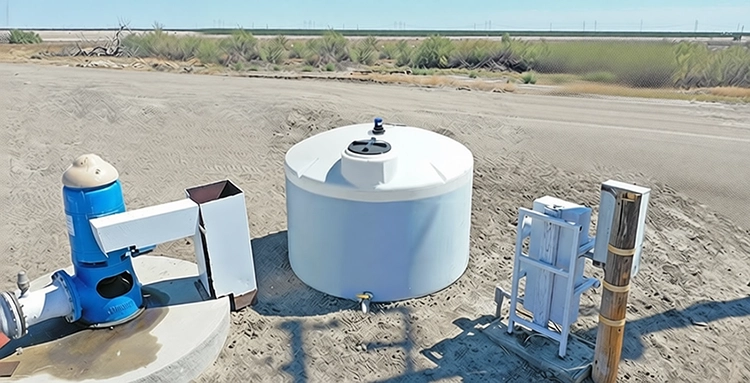
أجهزة الاستشعار بالموجات فوق الصوتية تُستخدم على نطاق واسع في الكشف عن مستوى المياه، لا سيما في الأحواض وخزانات التخزين وأنظمة الري الزراعي، مما يحسّن إدارة الموارد المائية من خلال المراقبة الفعالة في الوقت الفعلي. من خلال إصدار موجات صوتية عالية التردد لقياس التغيرات في مستوى المياه، يمكن لأجهزة الاستشعار بالموجات فوق الصوتية توفير تغذية راجعة مستمرة لمستوى السائل في أنظمة التحكم في خزانات المياه الكبيرة، مما يساعد في تحسين إدارة موارد المياه واستخدامها.
تحليل أمثلة التطبيقات
في نظام ري زراعي معين، تقوم أجهزة الاستشعار بالموجات فوق الصوتية بمراقبة مستوى مياه الري في الحقول لضمان احتفاظ التربة بمستويات رطوبة مناسبة، وبالتالي زيادة غلة المحاصيل. يؤثر هذا التطبيق بشكل مباشر على إدارة الموارد المائية الزراعية ويعزز مقاومة الجفاف.
5.1.2 الكشف عن الصفائح المزدوجة: الأهمية والمزايا في الأتمتة الصناعية
أجهزة استشعار بالموجات فوق الصوتية للكشف المزدوج للصفائح تُستخدم بشكل أساسي لقياس السُمك والمسافة ووجود الأجسام، وتُستخدم على نطاق واسع في صناعات التعبئة والتغليف والطباعة والأغذية. تضمن هذه التقنية القياس الدقيق على خطوط الإنتاج، وتجنب الاكتشافات الخاطئة والاكتشافات المفقودة. على سبيل المثال، على خط إنتاج التعبئة والتغليف، يمكن لمستشعرات الكشف عن الصفائح المزدوجة أن تحدد بفعالية ما إذا كانت المواد متداخلة أو مفقودة، مما يحسن من كفاءة الأتمتة وجودة المنتج.

5.1.3 مستشعرات تجنب العوائق في المركبات الموجهة الآلية: فاعلية التطبيق في المركبات الموجهة الآلية
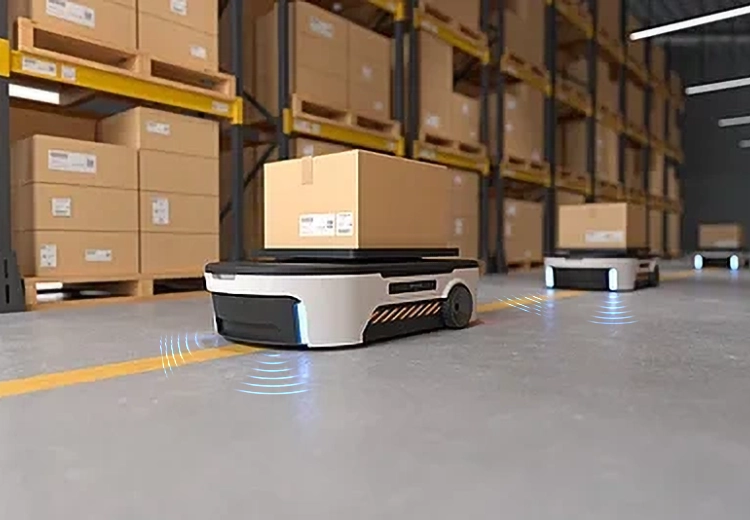
أجهزة الاستشعار بالموجات فوق الصوتية هي جزء لا يتجزأ من المركبات الموجهة الآلية (AGVs)، وهي مسؤولة عن اكتشاف العوائق المحيطة وتعديل مسار المركبة. عندما تقترب مركبة AGV من عائق، يمكن لجهاز الاستشعار بالموجات فوق الصوتية توفير معلومات التغذية الراجعة بسرعة، مما يسمح للمركبة بالفرملة أو تغيير الاتجاه في الوقت المناسب لضمان النقل الآلي الآمن.
تحليل دورها في التخزين والخدمات اللوجستية
في بيئات التخزين الكبيرة، يمكن لمركبات نقل البضائع AGVs المزودة بمستشعرات تجنب العوائق بالموجات فوق الصوتية التنقل بدقة عبر الأرفف والطرق المعقدة، مما يحسن كفاءة النقل بشكل كبير ويقلل من مخاطر الخطأ البشري.
5.1.4 أهمية أجهزة الاستشعار بالموجات فوق الصوتية في تقنية كشف الحواف والتوجيه في عمليات الإنتاج
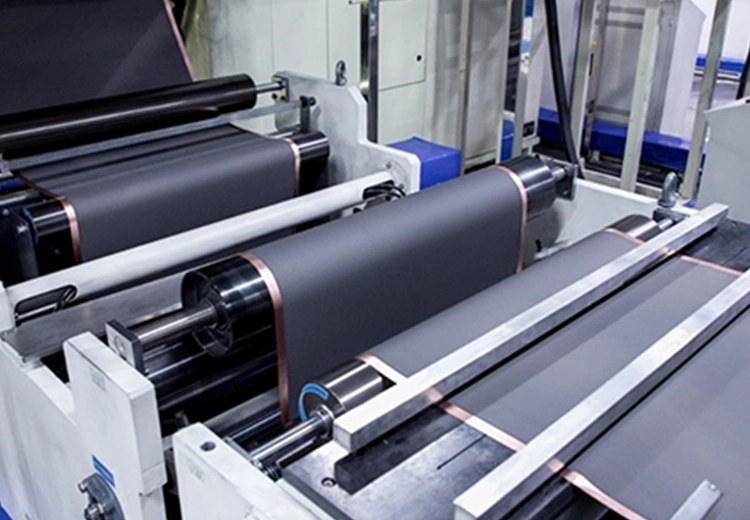
تلعب أجهزة الاستشعار بالموجات فوق الصوتية دورًا مهمًا في الإنتاج الصناعي، خاصةً عند التعامل مع مواد مثل الأغشية الرقيقة وصفائح الأقطاب الكهربائية. تستخدم هذه المستشعرات مكونها الأساسي - وهو محول طاقة فوق صوتي-للكشف الفعال عن حواف المواد، مما يضمن التوجيه الدقيق للشبكة أثناء عملية الإنتاج. تمنع هذه التقنية بفعالية المواد من الانحراف عن مسارها المثالي أثناء المعالجة والنقل، مما يعزز بشكل كبير من كفاءة الإنتاج الإجمالية.
تحسين دقة المهام في البيئات المعقدة
في العديد من التطبيقات الصناعية، مثل خطوط التجميع الآلية، توفر أجهزة الاستشعار بالموجات فوق الصوتية معلومات عن الحواف في الوقت الفعلي لضمان دقة تحديد مواقع المواد مثل الأغشية الرقيقة وألواح الأقطاب الكهربائية أثناء النقل والمناولة. تمنع آلية الكشف عن الحواف والتوجيه هذه إزاحة المواد بشكل فعال، وبالتالي تقليل الأخطاء والهدر في عملية الإنتاج. من خلال المراقبة المستمرة لموضع حافة المواد، يمكن لأجهزة الاستشعار بالموجات فوق الصوتية توفير تغذية راجعة في الوقت المناسب، مما يسمح بإجراء تعديلات في حركة معدات النقل للحفاظ على المواد ضمن مسار محدد مسبقًا. وهذا لا يحسن من ثبات ودقة الآلات التي تتعامل مع المهام المعقدة فحسب، بل يساعد أيضًا على تحسين عمليات الإنتاج على المدى الطويل، مما يضمن أن جودة المنتج تفي بالمعايير.
مع التقدم المستمر لتكنولوجيا الأتمتة، ستلعب أجهزة الاستشعار بالموجات فوق الصوتية دورًا متزايد الأهمية في تقنية الكشف عن الحواف والتوجيه، مما يؤدي إلى تحسينات شاملة في كفاءة الإنتاج. يعمل محول الطاقة بالموجات فوق الصوتية كعنصر حاسم في هذه العملية، حيث يوفر إشارات عالية الدقة لاكتشاف الحافة، وبالتالي ضمان موثوقية العمليات.
5.1.5 أجهزة قياس شدة الريح بالموجات فوق الصوتية وكشف اتجاه الرياح: التأثير على مراقبة الطيران والأرصاد الجوية
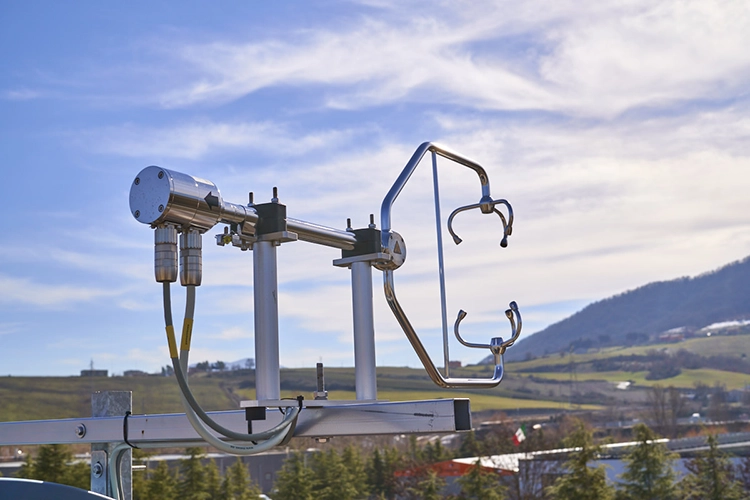
تقوم أجهزة قياس شدة الريح بالموجات فوق الصوتية بمراقبة سرعة الرياح واتجاهها بدقة، مما يوفر بيانات في الوقت الفعلي ضرورية للتنبؤ بالطقس وسلامة الطيران. وبفضل مكونها الأساسي - وهو محول طاقة فوق صوتي-تتمتع هذه الأجهزة بدقة عالية وقدرات استجابة سريعة، مما يجعلها أدوات لا غنى عنها في مراقبة الأرصاد الجوية.
مثال على التطبيق الفعلي
على سبيل المثال، في المطارات، تلعب أجهزة قياس شدة الريح بالموجات فوق الصوتية ومحولات الطاقة الخاصة بها دوراً حاسماً في ضمان الإقلاع والهبوط الآمن للطائرات. تبعث هذه المحولات وتستقبل الموجات فوق الصوتية، وتقيس بدقة التغيرات في تدفق الهواء، مما يسمح بتوفير بيانات سرعة الرياح واتجاهها في الوقت الحقيقي، مما يساعد الطيارين على اتخاذ قرارات دقيقة. أثناء الإقلاع والهبوط، يمكن للمعلومات الموثوقة عن سرعة الرياح واتجاهها أن تقلل بشكل كبير من مخاطر الطيران وتعزز سلامة الطيران.
وعلاوة على ذلك، تضمن محولات الطاقة عالية الأداء لمقاييس شدة الريح بالموجات فوق الصوتية دقة نتائج القياس في الوقت المناسب، مما يجعلها ذات أهمية بالغة في مراقبة الأرصاد الجوية وإدارة الطيران. لا تعمل هذه التقنية على تحسين موثوقية مراقبة الأرصاد الجوية فحسب، بل توفر أيضاً دعماً قوياً للعمليات الآمنة في قطاع الطيران.
5.2 أمثلة تطبيقية على الليدار
5.2.1 القيادة الذاتية: مزايا التصور البيئي عالي الدقة
يُعد LiDAR أحد المستشعرات الأساسية في أنظمة القيادة الذاتية، حيث يوفر بيانات بيئية في الوقت الفعلي للمركبات. ومن خلال إنشاء خرائط ثلاثية الأبعاد عالية الدقة وعالية الدقة، يمكّن LiDAR مركبات القيادة الذاتية من تحديد ظروف الطريق والعقبات بسرعة، مما يضمن القيادة الآمنة.
تحليل الحالة الفعلية
في مشروع معين للمركبات ذاتية القيادة، تم استخدام تقنية LiDAR جنباً إلى جنب مع أجهزة استشعار أخرى لتحقيق الإدراك والتحليل الفعال في البيئات الحضرية المعقدة بنجاح، مما يعزز سلامة القيادة والموثوقية.
5.2.2.2 نظم المعلومات الجغرافية (GIS): الأهمية في رسم الخرائط والرصد البيئي
يتم تطبيق الليدار على نطاق واسع في نظم المعلومات الجغرافية، مما يساعد في المسح عالي الدقة للأراضي والمراقبة البيئية. كما أن قدراتها في النمذجة ثلاثية الأبعاد وتحليل التضاريس تجعل جهود تخطيط استخدام الأراضي وحماية البيئة أكثر كفاءة.
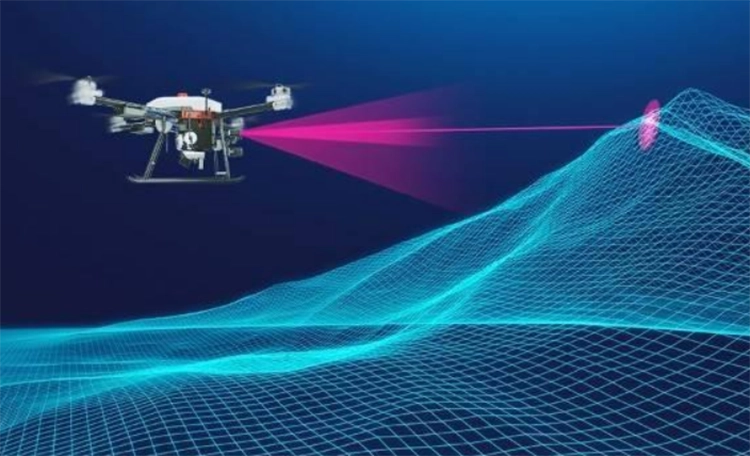
كيف يوفر تحليل التضاريس ونمذجتها
على سبيل المثال، في أحد مشاريع التجديد الحضري، استُخدمت تقنية LiDAR للحصول على بيانات مفصلة عن التضاريس من أجل التخطيط الفعال لبناء البنية التحتية وتقييم الأثر البيئي.
أصبح LiDAR أداة مهمة بشكل متزايد في الملاحة الروبوتية. من خلال إنشاء خرائط ديناميكية، تساعد LiDAR الروبوتات على تخطيط المسار في الوقت الفعلي وتجنب العقبات في البيئات المعقدة.
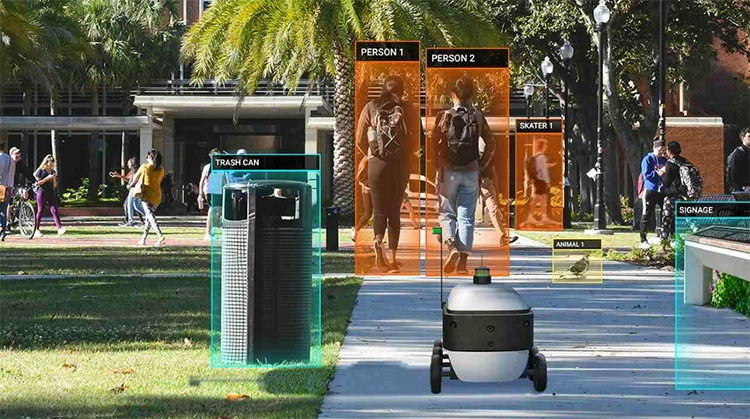
كيف تستخدم الروبوتات تقنية LiDAR للحركة الذاتية وتجنب العوائق
في أحد مشاريع المصانع الذكية، استخدمت الروبوتات تقنية LiDAR للملاحة، وتعاونت مع معدات خطوط الإنتاج الأخرى لتحسين كفاءة الإنتاج بشكل عام.
5.2.4 البناء والهندسة: مراقبة وصيانة البنية التحتية
في مجالات الإنشاءات والهندسة، يمكن استخدام تقنية ليدار في مجالات البناء والهندسة للمراقبة في الوقت الفعلي وتحليل صيانة البنية التحتية. ومن خلال الكشف الدقيق عن العناصر الهيكلية والمعدات الإنشائية، فإنها تضمن السلامة والامتثال في مجال الهندسة.
تحليل آثار التطبيق الفعلي
في صيانة البنية التحتية الحضرية، تُستخدم تقنية LiDAR للكشف عن سلامة الجسور والأنفاق، مما يضمن عملها ضمن معايير السلامة وتقليل المخاطر المحتملة.
5.3 المقارنة الشاملة
من خلال الأمثلة المذكورة أعلاه، يتضح أن أجهزة الاستشعار بالموجات فوق الصوتية وأجهزة استشعار ليدار تُظهر مزايا وعيوبًا مميزة في مختلف التطبيقات. أجهزة الاستشعار بالموجات فوق الصوتية، التي تتميز بتكلفتها المنخفضة وسهولة صيانتها وموثوقيتها القوية، مناسبة للكشف عن مستوى المسافات القصيرة والكشف البسيط عن العوائق. وعلى العكس، تُظهر تقنية LiDAR مزايا لا يمكن الاستغناء عنها في القيادة الذاتية ونظم المعلومات الجغرافية والملاحة في البيئة المعقدة، نظراً لدقتها العالية وقياسها الممتد وقدراتها على النمذجة ثلاثية الأبعاد.
عند اتخاذ الخيارات التكنولوجية، يجب على المستخدمين النظر بشكل شامل في احتياجات التطبيقات المحددة والخصائص البيئية وقيود الميزانية.
6. توصيات الاختيار
عند النظر في الاختيار بين أجهزة الاستشعار بالموجات فوق الصوتية وأجهزة الاستشعار بالموجات فوق الصوتية و LiDAR، يجب على الشركات والمستخدمين اتخاذ القرارات بناءً على سيناريوهات تطبيق محددة، والمتطلبات التكنولوجية، والميزانية، واتجاهات التطوير المستقبلية. ستساعد التحليلات السياقية التالية المستخدمين على فهم أفضل للوقت المناسب لاختيار التكنولوجيا.
6.1 الحالات المناسبة لاختيار أجهزة الاستشعار بالموجات فوق الصوتية
أجهزة الاستشعار بالموجات فوق الصوتية مناسبة للغاية للحالات التالية:
- ميزانية محدودة: بالنسبة للمؤسسات أو المشاريع الصغيرة والمتوسطة الحجم، فإن التكلفة المنخفضة لأجهزة الاستشعار بالموجات فوق الصوتية تجعلها الخيار الأكثر فعالية من حيث التكلفة. يمكن للشركات تقليل تكاليف اقتناء المعدات ونشرها دون التضحية بالأداء.
- قياس المسافات القصيرة: عندما ينطوي التطبيق بشكل أساسي على قياس مستوى المسافات القصيرة أو اكتشاف العوائق أو قياسات المسافة البسيطة (بين 1 إلى 10 أمتار)، فإن أجهزة الاستشعار بالموجات فوق الصوتية مناسبة بشكل خاص، حيث توفر دقة كافية ضمن هذا النطاق.
- البيئات البسيطة: يمكن أن يسفر استخدام أجهزة الاستشعار بالموجات فوق الصوتية في مواقع مستقرة نسبيًا دون تداخل الطقس (مثل الأماكن المغلقة أو البيئات الصناعية الخاضعة للتحكم الجيد) عن نتائج قياس مثالية.
- سهولة الاندماج: عندما تكون هناك حاجة لدمج أجهزة الاستشعار ببساطة في الأنظمة القائمة، فإن أجهزة الاستشعار بالموجات فوق الصوتية تتمتع بميزة التصميمات الأبسط والتركيبات الأسهل للنشر السريع.
- متطلبات صيانة منخفضة: تتميز أجهزة الاستشعار بالموجات فوق الصوتية بمعدلات فشل منخفضة، وعادةً ما تتطلب فقط الصيانة والمعايرة الأساسية، مما يجعلها مناسبة للعمليات طويلة الأجل غير المراقبة.
6.2 الحالات المناسبة لاختيار الليدار
يوفر نظام ليدار مزايا كبيرة في الظروف التالية:
- متطلبات عالية الدقة: في مجالات مثل القيادة الذاتية والطائرات بدون طيار والملاحة الروبوتية، حيث توجد متطلبات عالية للغاية لدقة القياس، فإن الليدار هو الخيار الأفضل. ويمكنه توليد نماذج بيئية ثلاثية الأبعاد عالية الدقة بسرعة، مما يضمن السلامة والكفاءة.
- قياس المسافات الطويلة: إن الليدار مناسب للإدراك البيئي واسع النطاق، وعادةً ما يكون قادرًا على قياس نطاقات تتراوح من عشرات إلى مئات الأمتار، مما يجعل مزاياه واضحة بشكل خاص في سيناريوهات رسم الخرائط التفصيلية وتحليل القدرات.
- البيئات المعقدة: في البيئات المعقدة أو الديناميكية، يمكن أن يوفر LiDAR بيانات بيئية دقيقة في الوقت الحقيقي، مما يساعد الروبوتات والأنظمة الآلية على تعديل مساراتها على الفور لتجنب العقبات.
- تطبيقات عالية القيمة: في التطبيقات التي تنطوي على أصول عالية القيمة (مثل المركبات ذاتية القيادة ومعدات المسح عالية الدقة)، يمكن أن يعزز نظام LiDAR الكفاءة التشغيلية من خلال توفير معلومات دقيقة في الوقت الحقيقي، مما يقلل من الخسائر المحتملة. في حين أن الاستثمار الأولي مرتفع، إلا أن العائد الإجمالي من التشغيل يمكن أن يكون أعلى.
- الابتكار التكنولوجي واتجاهات السوق: في المجالات الناشئة ذات آفاق التطبيق الواسعة، مثل بناء المدن الذكية والتصنيع المتقدم، تتطور تقنية ليدار بسرعة في المجالات الناشئة ذات آفاق التطبيق الواسعة، مثل بناء المدن الذكية والتصنيع المتقدم. وبالتالي، فإن الشركات التي تسعى إلى تحقيق الريادة التكنولوجية تجد قدرة تنافسية أكبر في السوق من خلال الاستثمار في تكنولوجيا LiDAR الآن.
عند الاختيار بين أجهزة الاستشعار بالموجات فوق الصوتية وتقنية LiDAR، يكمن المفتاح في توضيح سيناريوهات التطبيق والتكاليف والعوائد المتوقعة. لكلتا التقنيتين نقاط قوتها ويمكن أن تكمل كل منهما الأخرى لتلبية الاحتياجات المختلفة. يمكن للمستخدمين التحقق من حالات تطبيقهم الفعلي مقابل التحليلات السياقية أعلاه لاتخاذ خيارات مستنيرة.
7. الاتجاهات والتطورات المستقبلية
مع تقدم التكنولوجيا وتزايد الطلب على الذكاء والأتمتة، تتطور كل من أجهزة الاستشعار بالموجات فوق الصوتية وتقنية الليدار بسرعة. سوف يستكشف هذا القسم الاتجاهات المستقبلية لهاتين التقنيتين والتحديات والفرص التي قد تواجههما.
7.1 مستقبل أجهزة الاستشعار بالموجات فوق الصوتية
7.1.1 التكامل مع الرقمنة والعمليات الذكية
تتطور أجهزة الاستشعار بالموجات فوق الصوتية نحو التكامل مع الأنظمة الرقمية والذكية. على سبيل المثال، من خلال دمج تقنية إنترنت الأشياء، يمكن لأجهزة الاستشعار بالموجات فوق الصوتية تحقيق نقل البيانات وتحليلها في الوقت الفعلي، مما يؤدي إلى تحسين الكفاءة التشغيلية ودفع عجلة الابتكار في الزراعة الذكية والمراقبة البيئية. سيسمح الدمج مع تقنية إنترنت الأشياء بدمج أجهزة الاستشعار بالموجات فوق الصوتية بشكل أفضل في شبكات الاستشعار الذكية، مما يتيح نقل البيانات وتحليلها في الوقت الفعلي. وسيسمح ذلك للمستخدمين بمراقبة حالة المعدات على المنصات السحابية وإدارتها عن بُعد، مما يحسن الكفاءة التشغيلية.
7.1.2 التكامل متعدد الوظائف
من المتوقع أن تدمج أجهزة الاستشعار بالموجات فوق الصوتية المستقبلية المزيد من الوظائف، مثل درجة الحرارة والرطوبة والتعرف على الأجسام، لتشكيل أجهزة استشعار مركبة. من خلال دمج بيانات أجهزة الاستشعار المختلفة، يمكنها توفير قدرة أكثر شمولاً على الرصد والاستشعار البيئي لتلبية متطلبات التطبيقات الأكثر تعقيدًا.
7.1.3 تخفيضات أخرى في التكاليف
مع التقدم في عمليات التصنيع وتكنولوجيا المواد، فإن تكلفة إنتاج أجهزة الاستشعار بالموجات فوق الصوتية من المتوقع أن تنخفض أكثر. ستسرع أجهزة الاستشعار منخفضة التكلفة من تطبيقها في المزيد من الصناعات، لا سيما في الزراعة والمراقبة البيئية والمنازل الذكية والمدن الذكية، مما يوسع نطاق تطبيقات تكنولوجيا الموجات فوق الصوتية.
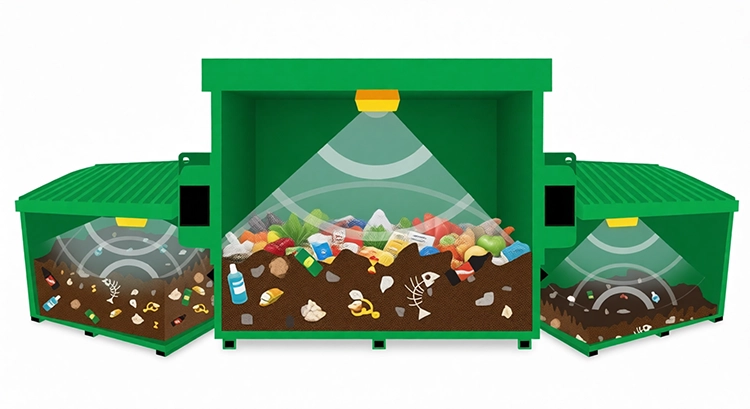
7.1.4 توسيع مجالات التطبيق
في المستقبل، من المتوقع أن تلعب أجهزة الاستشعار بالموجات فوق الصوتية دوراً أكثر أهمية في المجالات الجديدة، مثل القيادة الذاتية والروبوتات وحماية البيئة. من خلال تعزيز دقة وموثوقية أجهزة الاستشعار، يمكنها تلبية متطلبات السيناريوهات المختلفة بشكل أفضل وتعزيز تطوير الصناعات ذات الصلة.
7.2 التطورات في تكنولوجيا ليدار 7.2
7.2.1 تخفيض التكلفة وتعميم التكنولوجيا
من المتوقع أن تسهل التطورات في تكنولوجيا الليدار تسهيل خفض التكلفة، مما يسهل تعميم أجهزة الليدار عالية الدقة. ومع توسع نطاقات الإنتاج ومواصلة تحسين التكنولوجيا، ستتعزز عوائد الاستثمار في أجهزة ليدار في العديد من التطبيقات بشكل كبير، مما سيؤدي إلى زيادة نمو السوق.
7.2.2.2 الليدار المتنقل والنمذجة ثلاثية الأبعاد
في المستقبل، ستصبح أنظمة LiDAR المتنقلة (مثل تلك المثبتة على الطائرات بدون طيار والمركبات ذاتية القيادة) اتجاهاً شائعاً. يمكن لهذه التكنولوجيا الحصول على بيانات جغرافية عالية الدقة بسرعة، والتي سيتم تطبيقها على نطاق واسع في التخطيط الحضري والرصد البيئي وتقييمات ما بعد الكوارث، وبالتالي تعزيز تطوير النمذجة ثلاثية الأبعاد وتحديث البيانات في الوقت الحقيقي.
7.2.3 دمج أجهزة الاستشعار
سيصبح دمج ليدار مع أجهزة الاستشعار الأخرى (مثل الكاميرات ووحدات القياس المتكاملة وأجهزة الاستشعار بالموجات فوق الصوتية) اتجاهًا رئيسيًا للتطوير. من خلال دمج مزايا أجهزة الاستشعار المختلفة، يمكن تعزيز قدرات الإدراك البيئي والتغلب على القيود الخاصة بكل منها. سيتيح دمج أجهزة الاستشعار هذه اتخاذ قرارات أكثر دقة وأماناً في القيادة الذاتية والملاحة الآلية وأنظمة النقل الذكية.
7.2.4 فرص السوق والتحديات التكنولوجية
تواجه تقنية LiDAR إمكانات نمو هائلة في الأسواق الناشئة مثل القيادة الذاتية والنقل الذكي والطائرات بدون طيار. ومع ذلك، يواجه تطوير صناعة LiDAR أيضًا تحديات تكنولوجية، بما في ذلك القدرة على معالجة البيانات، والأداء في الوقت الحقيقي، والقدرة على التكيف البيئي. تحتاج الشركات ذات الصلة إلى الابتكار المستمر لتلبية متطلبات السوق التنافسية المتزايدة.
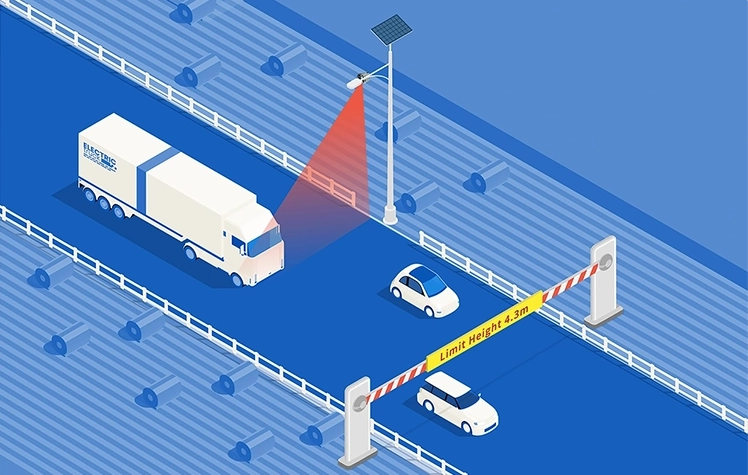
تُعد كل من أجهزة الاستشعار بالموجات فوق الصوتية وأجهزة الاستشعار بالليزر (LiDAR) من المكونات الأساسية للتكنولوجيا الحديثة، حيث يُظهر كل منهما إمكانات سوقية كبيرة وآفاق تطبيقية في اتجاهات التنمية الخاصة بكل منهما. في المستقبل، من المرجح أن يحدث تكامل أوثق بين الاثنين، مما يعزز من التقنيات الأكثر كفاءة وذكاءً لدفع مختلف الصناعات نحو مستوى أعلى من الأتمتة والإدارة الذكية. وتحتاج الشركات والمستخدمون إلى مراقبة هذه التطورات عن كثب لاغتنام الفرص الناشئة عن التغيرات التكنولوجية ومواجهة تحديات السوق المستقبلية.
8. خاتمة
تشير المقارنة بين أجهزة الاستشعار بالموجات فوق الصوتية وأجهزة استشعار الليدار إلى أن الأولى لها مزايا في الاقتصاد وسهولة الصيانة، مما يجعلها مناسبة للمؤسسات الصغيرة والمتوسطة الحجم، في حين أن الثانية قابلة للتطبيق على نطاق واسع في البيئات المعقدة والتطبيقات عالية القيمة بسبب دقتها العالية وقدراتها بعيدة المدى. يجب أن تجمع الشركات بين احتياجاتها والمراقبة الديناميكية لتطورات الصناعة لاتخاذ قرارات أكثر علمية فيما يتعلق بالاستثمارات التكنولوجية. من مبادئ العمل إلى مقارنات الأداء، وأخيرًا إلى التكلفة والعوامل الاقتصادية، تعرض كلتا التقنيتين كفاءاتها الأساسية وإمكاناتها السوقية.
مبادئ العمل ومجالات التطبيق: تُعد أجهزة الاستشعار بالموجات فوق الصوتية، بمبادئ عملها البسيطة والفعالة، مناسبة بشكل خاص للكشف عن مستوى المسافات القصيرة، والكشف عن العوائق، والأتمتة الصناعية؛ بينما تُستخدم أجهزة الاستشعار الليدار، بدقتها العالية ومدى قياسها الطويل، على نطاق واسع في القيادة الذاتية وأنظمة المعلومات الجغرافية والمراقبة البيئية المعقدة.
اختلافات الأداء: من حيث دقة تحديد المدى والقدرة على التكيف البيئي، تتمتع تقنية LiDAR بميزة كبيرة، حيث توفر بيانات دقيقة في البيئات المعقدة والديناميكية. وعلى العكس من ذلك، تحتل أجهزة الاستشعار بالموجات فوق الصوتية موقعًا مهمًا في القياس لمسافات قصيرة والتحكم في التكلفة.
الاعتبارات الاقتصادية: يجعل الاستثمار الأولي المنخفض وتكاليف الصيانة طويلة الأجل لأجهزة الاستشعار بالموجات فوق الصوتية خياراً مثالياً للعديد من التطبيقات ذات الميزانية المحدودة، بينما على الرغم من ارتفاع تكاليف تقنية الليدار إلا أن عوائدها المحتملة في التطبيقات عالية القيمة والدقة لا تزال تجعلها جذابة.
بالنسبة للمؤسسات والمستخدمين، يعد التقييم الشامل لاحتياجات التطبيقات المحددة، والظروف البيئية، وقيود الميزانية، وإمكانات التطوير المستقبلي أمرًا بالغ الأهمية عند اختيار تقنيات الاستشعار المناسبة. تتفوق أجهزة الاستشعار بالموجات فوق الصوتية في الجوانب الاقتصادية والصيانة، مما يجعلها مناسبة للتطبيقات التي تتطلب فعالية عالية من حيث التكلفة والاستقرار، في حين يجب الاستفادة من نقاط قوة LiDAR في الدقة والمدى بشكل كامل في السيناريوهات التكنولوجية عالية الطلب.
من خلال الاختيار العقلاني بين أجهزة الاستشعار بالموجات فوق الصوتية أو أجهزة استشعار الليدار استناداً إلى الاحتياجات والتطبيقات المحددة، يمكن للشركات تعزيز كفاءة العمل وربما تحقيق فوائد اقتصادية أكبر وقدرة تنافسية أكبر في السوق. في بيئة تكنولوجية سريعة التطور، سيؤدي الاهتمام بديناميكيات الصناعة والاتجاهات التكنولوجية إلى إرساء أساس أكثر صلابة للنجاح في المستقبل.
الأسئلة الشائعة
Q1: ما هو مبدأ عمل أجهزة الاستشعار بالموجات فوق الصوتية؟
A1: تقوم أجهزة الاستشعار بالموجات فوق الصوتية بحساب المسافة بين جسم ما والمستشعر من خلال إصدار موجات صوتية عالية التردد وقياس الوقت الذي تستغرقه الموجات للعودة. تُستخدم هذه التقنية على نطاق واسع في قياس المستوى واكتشاف العوائق.
Q2: ما هي الاختلافات الرئيسية بين مستشعرات الليدار والمستشعرات فوق الصوتية؟
A2: تستخدم تقنية LiDAR تقنية الليزر لقياسات المسافة، مما يوفر دقة قياس أعلى ونطاقات كشف أطول، وهي مناسبة بشكل خاص للتطبيقات في البيئات المعقدة. في المقابل، تكون أجهزة الاستشعار بالموجات فوق الصوتية أكثر ملاءمة بشكل عام لقياسات المسافات القصيرة.
Q3: ما هو أفضل سيناريو تطبيق لأجهزة الاستشعار بالموجات فوق الصوتية؟
A3: تعد أجهزة الاستشعار بالموجات فوق الصوتية مناسبة بشكل خاص للكشف عن المستوى وقياس المسافة والكشف البسيط عن العوائق، خاصة في المسافات القصيرة التي تتراوح بين متر واحد و10 أمتار.
Q4: هل تؤثر الظروف المناخية على أداء أجهزة الاستشعار بالموجات فوق الصوتية؟
A4: نعم، يمكن للظروف المناخية أن تؤثر بشكل كبير على قدرات القياس لأجهزة الاستشعار بالموجات فوق الصوتية، خاصةً في ظل الظروف الجوية القاسية، مثل الأمطار الغزيرة أو الرياح القوية، مما قد يقلل من دقة القياس.
Q5: هل يمكن لدار ليدار أن يعمل بشكل طبيعي تحت أشعة الشمس المباشرة؟
A5: على الرغم من أن معظم أنظمة ليدار يمكن أن تعمل بشكل صحيح تحت أشعة الشمس المباشرة، إلا أن أشعة الشمس الشديدة قد تؤثر سلبًا على دقة القياس في بعض أنظمة ليدار منخفضة التكلفة. لذلك، فإن اختيار نموذج ليدار الصحيح أمر بالغ الأهمية.
Q6: كيف أختار المستشعر فوق الصوتي المناسب؟
A6: عند اختيار مستشعر الموجات فوق الصوتية المناسب، ضع في اعتبارك مسافة القياس ونطاق المستوى وبيئة التركيب ومتطلبات التطبيق المحددة. إذا كانت هناك حاجة إلى مزيد من المساعدة، يرجى استشارة فريق الدعم الفني لدينا.
-
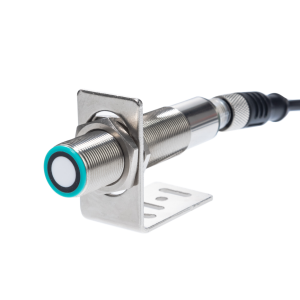
مستشعر الكل في واحد بالموجات فوق الصوتية ISSR: 1 متر مستوى المدى والكشف عن الأجسام
-
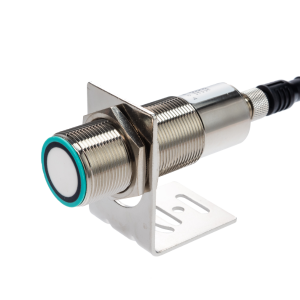
جهاز استشعار مستوى السائل بالموجات فوق الصوتية 2M المتكامل الكامل بالموجات فوق الصوتية ISSR
-
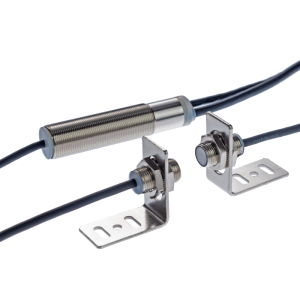
مستشعر الكشف عن الصفيحة المزدوجة بالموجات فوق الصوتية ISSR M12
-
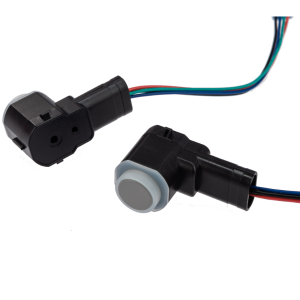
ISUB1000-17GKW29 ISUB1000-17GKW29: مستشعر تفادي العوائق بالموجات فوق الصوتية للعربات المساعدة بالموجات فوق الصوتية 1M 58 كيلو هرتز
-
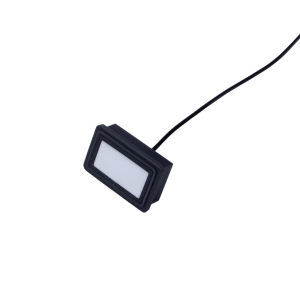
محول طاقة استشعار توجيه الشبكة بالموجات فوق الصوتية ISSR 160 كيلو هرتز - مسبار كشف وتصحيح الحواف المستطيلة
-
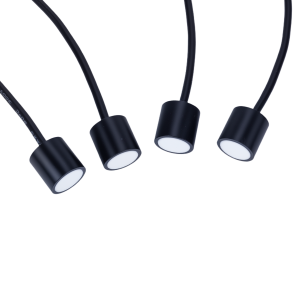
مسبار الكشف عن اتجاه سرعة الرياح بالموجات فوق الصوتية بسرعة 200 كيلو هرتز ISSR 200 كيلو هرتز
-
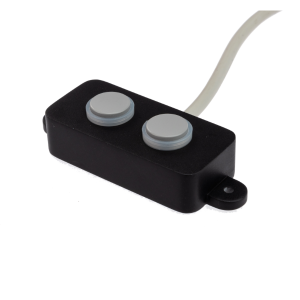
مستشعر المسافة بالموجات فوق الصوتية ISSR 1M 58 كيلو هرتز للروبوتات والصناديق الذكية