









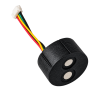
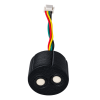
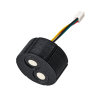
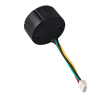
ISUB38-25GK13-TTL10
Robot Vacuum Floor Material Sensor
Ultrasonic Floor Type Recognition with TTL232 Output and Serial Upgrade Support
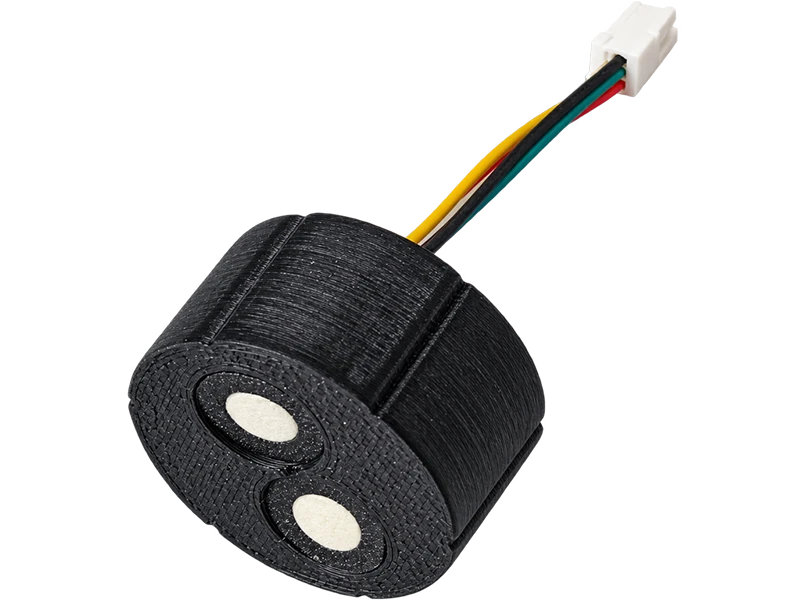
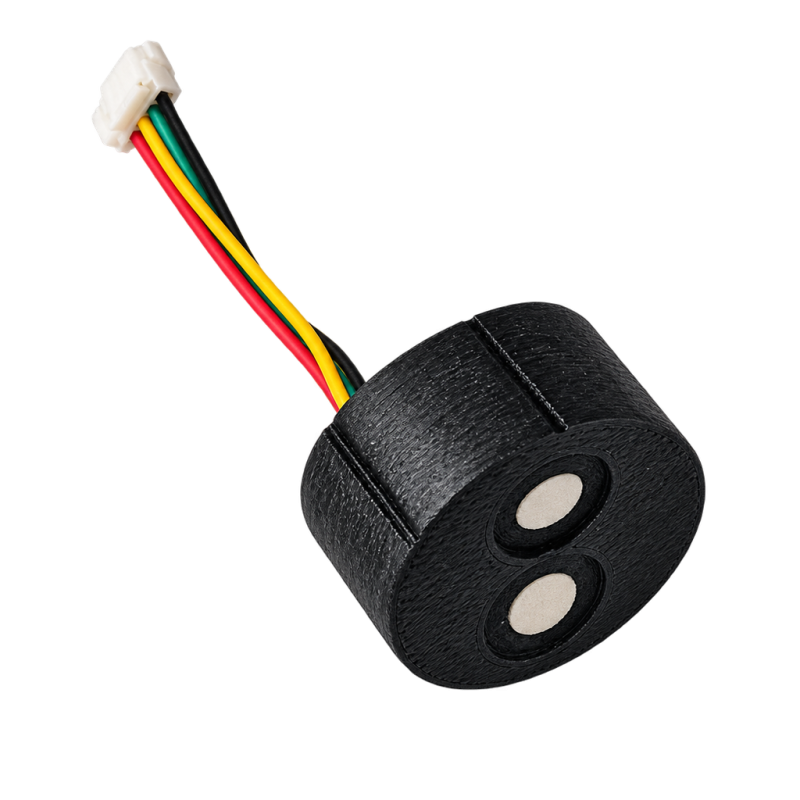
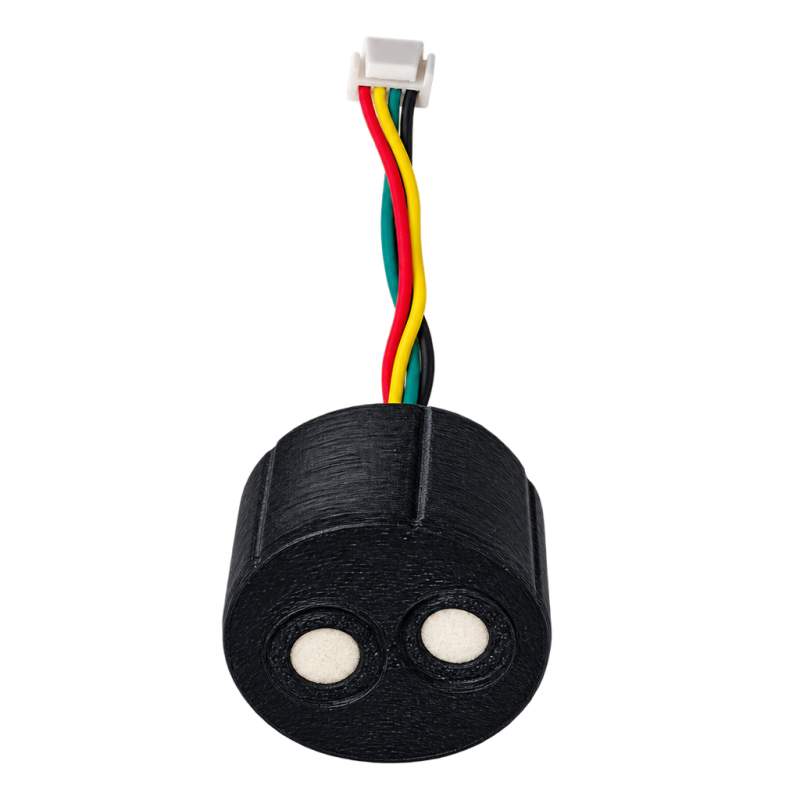
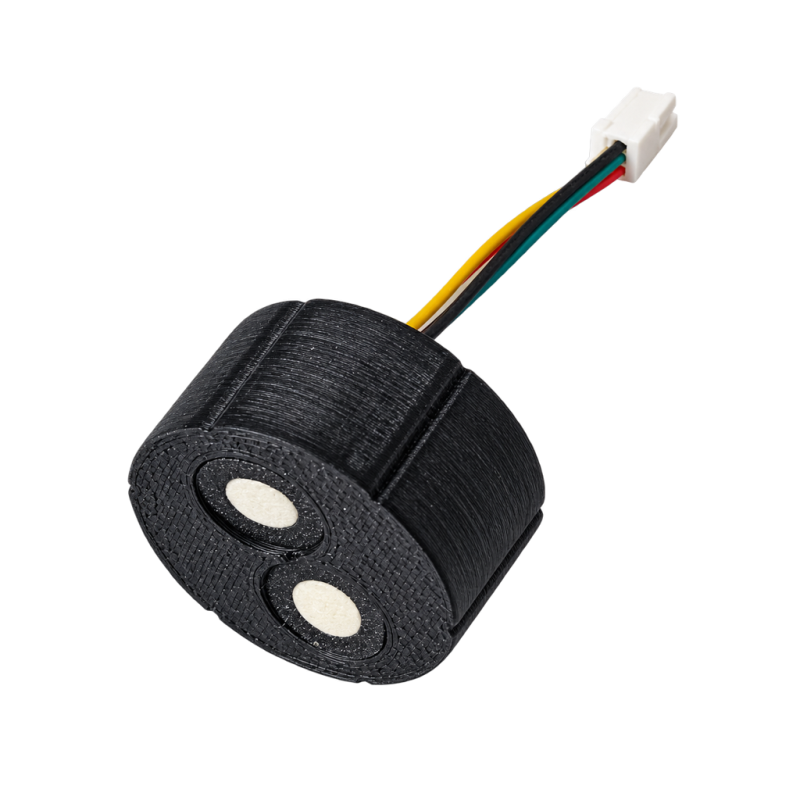
The ISSR ISUB38-25GK13-TTL10-L24-CZ400B robot vacuum floor material sensor helps robotic cleaning systems distinguish hard floors from long-pile and short-pile carpet. By providing a material classification over a serial interface, it gives the host controller information that can be used in application-specific cleaning strategies.
The sensor identifies surfaces using differences in ultrasonic echo amplitude. Smooth, hard surfaces such as wood flooring and ceramic tiles generally produce stronger echoes, while carpets generally produce weaker echoes. The reported categories are floor, long-pile carpet and short-pile carpet; the floor category does not separately identify wood and tile.
Key Engineering Benefits
-
Three surface categories for cleaning logic
The sensor reports floor, long-pile carpet or short-pile carpet. Engineers can use these results as inputs to host-side decisions, such as selecting a cleaning mode. Actual behavior depends on the robot’s control software.
-
TTL232 data for integration | TTL232
The TTL232 interface operates at 115,200 baud and supports single or continuous detection commands. Returned data includes five echo amplitudes, distance data and a material flag, giving developers information for integration and evaluation. The sensor also supports serial upgrading.
-
Compact installation at a defined working distance
At approximately 4 g, the sensor is suited to space- and weight-conscious robot designs. Its specified detection range is 38 ± 2 mm, so mounting height must be designed around that range.
FAQ
Q1. Can the sensor distinguish wood flooring from ceramic tile?
A1:Our capteur reports wood flooring and ceramic tile under the same floor category. Its three output categories are floor, long-pile carpet and short-pile carpet.
Q2. How should we install the sensor in a robot vacuum?
A2:We recommend designing the mounting position around the specified detection distance of 38 ± 2 mm. Keep the angle between the sensing face and the floor below 1°, and do not cover the probe surface.
Q3. Does the sensor automatically output data after power-on, and can it be upgraded through the serial interface?
A3:Our sensor does not output data by default after power-on. The host must send a single-detection or continuous-detection command first. We also support serial upgrading. 【Please contact us to confirm the upgrade procedure and required tools.】
Download the datasheet, request a sample, or contact an ISSR engineer to discuss mounting, serial integration and surface-validation requirements for your robot vacuum design.
Spécifications
| Modèle | ISUB38-25GK13-TTL10-L24-CZ400B |
|---|---|
| Plage de détection | 38±2mm |
| Detection Materials | Wood floor, ceramic tile, long-pile carpet, short-pile carpet |
| Angle du faisceau | ±5° |
| Fréquence du capteur | Environ 400 kHz |
| Délai de réponse | ≤500ms |
| Tension de fonctionnement | 5V DC, 10% Vpp |
| Courant à vide | ≤20mA |
| Interface de sortie | TTL232 |
| Baud Rate | 115200 |
| Température de fonctionnement | 0℃ to 40℃ |
| Température de stockage | 0℃ to 70℃ |
| Electrostatic Discharge (ESD) | Contact 4kV; Air 8kV |
| Matériau du boîtier | Plastic, Epoxy resin + Glass beads |
| Poids | Approx. 4g |
| Indice de protection | IP65 |
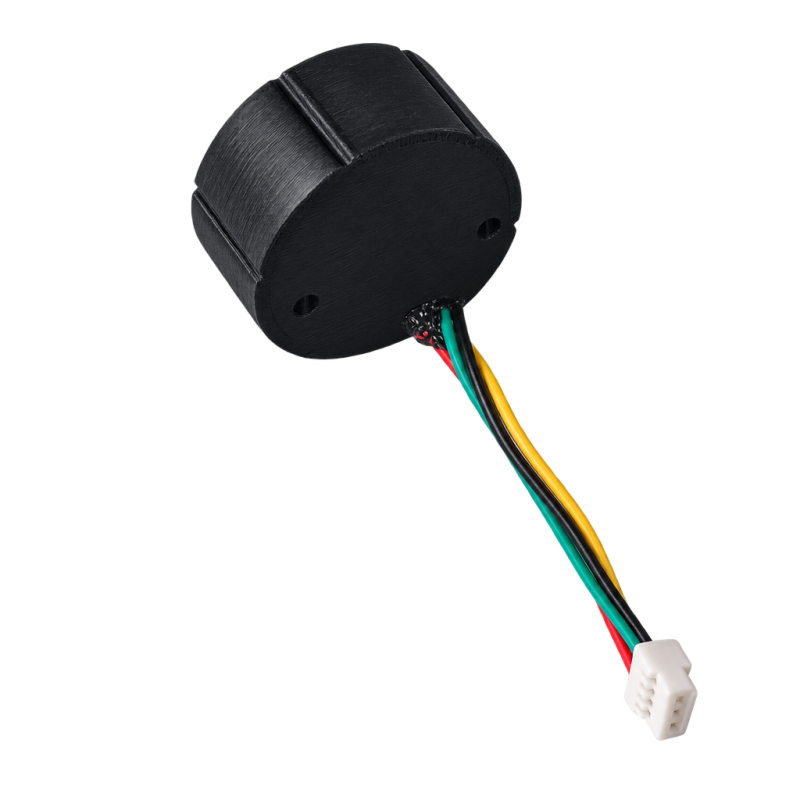
| Type de connexion | VC2, GH1.25mm 4-Pin Terminal |
| Installation Requirement | Angle between detection end face and ground < 1° |
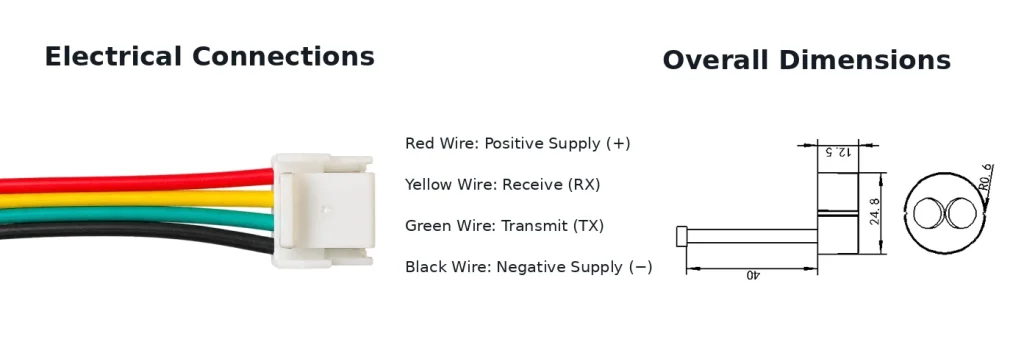
Raccordement électrique / Dimensions générales
Applications typiques
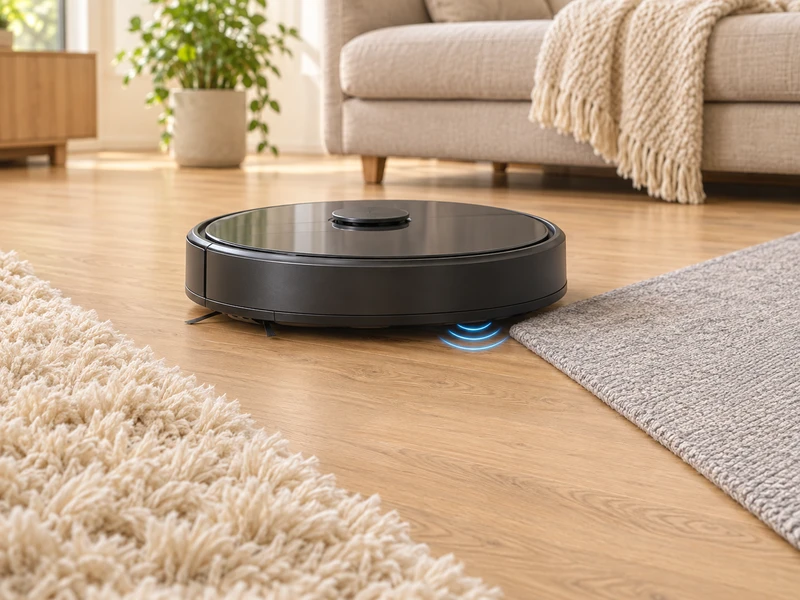
We designed this sensor for robot vacuum surface detection. It can identify hard floors, long-pile carpet and short-pile carpet using ultrasonic echo differences, while its TTL232 interface provides the classification result to the robot’s controller. This makes it suitable for ultrasonic carpet detection and floor material recognition in robotic cleaning equipment.