


As the global demand for agricultural products increases and the emphasis on sustainability grows, modern agriculture faces significant challenges, including resource efficiency, cost control, and environmental protection. In this context, precision agriculture technologies have emerged as crucial means to enhance agricultural productivity and crop quality. Ultrasonic sensors, as an efficient, non-contact measurement technology, have been widely applied in various industries, and their potential in the agricultural sector is progressively becoming evident.
The working principle of ultrasonic sensors is based on the difference in the speed of sound waves in various media. By monitoring various agriculture-related parameters in real-time, these sensors provide reliable data for timely decision-making. This technology supports precise fertilization, irrigation scheduling, and crop monitoring, as well as improving the operation efficiency and safety of agricultural machinery.
This article aims to explore eight key application areas of ultrasonic sensors in agriculture, analyzing the technological background, market prospects, application advantages, and potential challenges of these applications. Through this research, we hope to provide practical solutions for agricultural practitioners, aiding in sustainable agricultural development and effective resource utilization.
1. Sprayer Height Control
Application Background and Needs
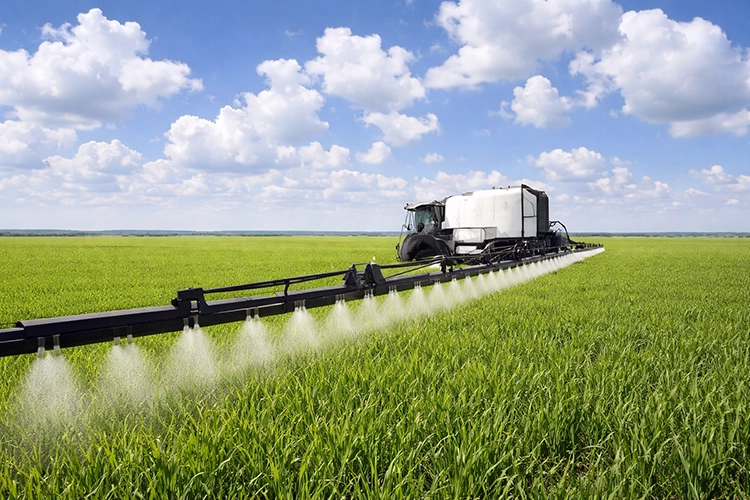
In modern agriculture, the accuracy of spraying and fertilizing directly impacts crop yield and quality. As crops grow, their height and density change, necessitating that spraying equipment can adjust the height of the spray boom in real-time to ensure uniform application of pesticides and fertilizers. Therefore, precise control of sprayer height is crucial for improving spraying efficiency and reducing environmental impacts.
Technical Implementation
The application of ultrasonic sensors makes sprayer height control more accurate. Installed on the sprayer boom, ultrasonic sensors can continuously monitor the distance to the crop canopy. By transmitting the acquired distance data to a central control system, the system can automatically adjust the sprayer’s height according to preset standards, ensuring that spraying operations occur at the optimal height. This dynamic feedback control system can respond timely to changes in crop conditions without manual intervention, allowing for accurate application throughout different crop growth stages.
Application Prospects
The spray height control technology using ultrasonic sensors has broad application prospects. Improving the uniformity and precision of spraying not only reduces the waste of pesticides and fertilizers but also lessens environmental impact, contributing to more sustainable agricultural production. Furthermore, precise spraying control can minimize crop damage caused by equipment malfunction, enhancing overall crop health and yield.
Advantages
- Intelligent and Adaptive: The system has real-time monitoring and adjustment capabilities, adapting to the needs of different crop types and growth stages.
- Reduced Crop Damage Risk: Precise height control minimizes the likelihood of misapplication and damage to crops from pesticides.
- Environmentally Friendly: By reducing waste of pesticides and fertilizers, it lowers the negative environmental impact of spraying activities.
Considerations
In practical applications, attention should be paid to the following points:
- Uneven Crop Canopy: Variations in crop height and density may lead to inaccurate distance readings from the sensor, so the system should incorporate algorithms to filter out these anomalies.
- Environmental Influences: Factors like wind speed and humidity can affect sound wave propagation speed, thus introducing external temperature compensation and dynamic gain control technologies is advisable to enhance system stability and accuracy.
- Sensor Selection and Installation: Ultrasonic sensors suitable for agricultural environments should be chosen, such as models that are waterproof, dustproof, and capable of operating within appropriate temperature ranges to ensure long-term stability under complex conditions.
In summary, ultrasonic sensors in sprayer height control provide significant advantages, enhancing spraying efficiency and crop quality while supporting the intelligent and sustainable development of modern agriculture. With ongoing technological advancements, more innovative applications are expected in the future.
2. Material Level and Storage Monitoring
Application Background and Needs
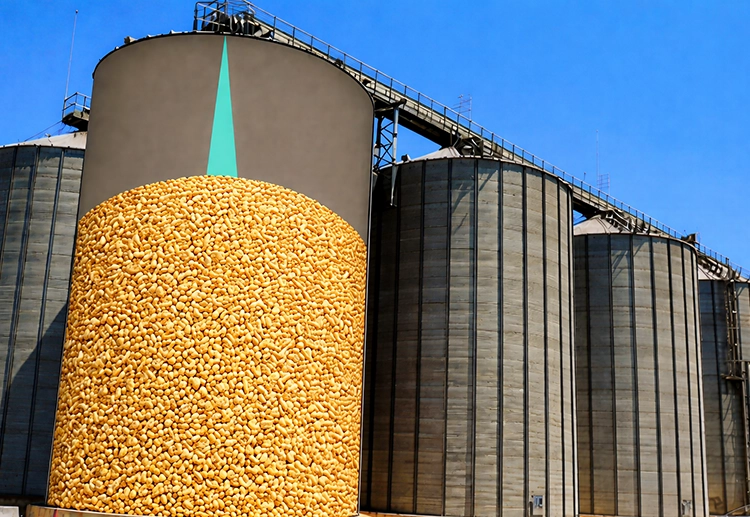
In modern agriculture, safe storage of grains and feed is a key aspect of managing the agricultural production chain. Real-time monitoring of material height in warehouses can prevent overflow, effectively managing inventory, and improving storage efficiency while reducing losses. Particularly in large farms and livestock operations, failure to monitor levels can lead to resource waste and potential economic losses, making efficient non-contact monitoring solutions increasingly urgent.
Technical Implementation
Ultrasonic sensors are highly effective when employed for storage level monitoring. These sensors determine material height by emitting sound waves and measuring their reflection time, enabling real-time monitoring of storage materials. Compared to traditional measurement methods, ultrasonic sensors offer non-contact operation, high precision, and no moving parts.
Advantages
- Non-invasive Operation: Ultrasonic sensors can measure without contacting the material, avoiding contamination or physical damage that direct contact might cause.
- Durability and Reliability: With multiple protective levels available, it is recommended to select sensors with at least IP67 protection to ensure stable operation in high dust and humid environments.
Application Prospects
As the automation and intelligence in agriculture increase, the application of ultrasonic sensors for storage monitoring will significantly simplify storage management and minimize losses. Through real-time data feedback, managers can conveniently monitor material usage, achieving more scientific inventory management and production scheduling to enhance overall economic benefits.
Considerations
- Selection Issues: The appropriate sensor model should be chosen based on the actual environmental conditions, measurement range, and material characteristics to ensure its performance meets requirements.
- Dust Influence: In dusty environments, the sensor must account for sound wave attenuation; incorporating Automatic Gain Control (AGC) technology may enhance monitoring stability.
- Environmental Adaptability: Preventing measurement inaccuracies due to fluctuations in humidity and air pressure in the storage environment necessitates timely calibration of the sensors to ensure measurement accuracy, or coupling sensors with corresponding environmental compensation algorithms.
Overall, the application of ultrasonic sensors in material level and storage monitoring greatly enhances intelligent and precise material management, positioning it as a critical technological tool to meet modern agricultural management challenges. As technology continues to progress, the potential for broader and more beneficial applications in storage management may grow.
Application Background and Needs
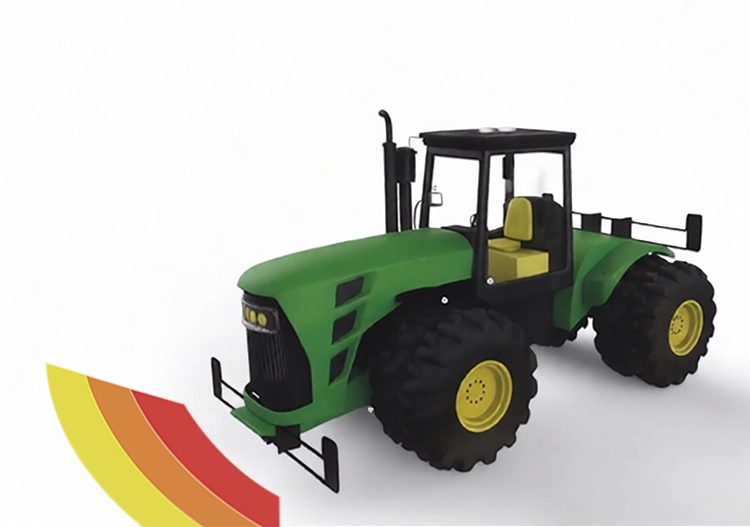
With the rapid development of autonomous driving technology, self-driving agricultural machinery, automated tractors, and field robots have gradually become core equipment in modern agriculture. These machines can improve production efficiency and reduce labor requirements, but the reliability of navigation and obstacle avoidance technology is crucial in complex field environments. Effectively identifying nearby obstacles (such as ridges, irrigation pipelines, and personnel) is necessary to ensure the safe and smooth operation of agricultural machinery.
Technical Implementation
Ultrasonic sensors play a vital role in navigation and obstacle avoidance systems for agricultural machinery. By installing ultrasonic sensors, agricultural machines can perceive their environment and detect obstacles in real time. The sensors emit ultrasonic waves and measure the reflection from obstacles to determine their distance and position.
Advantages
- Real-time Obstacle Detection: Ultrasonic sensors can rapidly detect obstacles ahead, enabling immediate avoidance measures based on distance feedback. For example, an autonomous tractor can automatically slow down or change course as it approaches an obstacle.
- Multi-Sensor Fusion: In complex environments, ultrasonic sensors can fuse data with other sensors such as LiDAR and cameras to enhance navigation accuracy and reliability.
Application Prospects
With the promotion of smart agriculture, the improved self-navigation and obstacle avoidance capabilities of agricultural machinery will significantly enhance operational safety and efficiency. This not only reduces the risk of collisions with humans and objects but also lowers equipment maintenance costs, extending the machinery’s lifespan. Additionally, enhancing the autonomy of agricultural machines enables effective operation in low-visibility environments (e.g., foggy or nighttime conditions), providing ongoing, efficient support for agricultural production.
Considerations
When implementing ultrasonic sensors for navigation and obstacle avoidance in agricultural machinery, the following factors should be considered:
- Regular Calibration: To ensure accurate detection, ultrasonic sensors require regular calibration to maintain optimal operating ranges.
- Environmental Impact: Awareness of external factors (e.g., wind speed, temperature, and humidity) affecting sound wave propagation is essential; environmental compensation algorithms may be necessary.
- Self-Diagnostic Functionality: Including a self-diagnostic mechanism in the system can promptly identify and troubleshoot sensor failures to ensure stable equipment operation.
In summary, the application of ultrasonic sensors in navigation and obstacle avoidance systems for agricultural machinery provides crucial safety and efficient operation solutions for modern agricultural production. With continuous technological innovation, ultrasonic sensors will play an increasingly critical role in the design of intelligent agricultural machinery, supporting the transformation toward agricultural intelligence and modernization.
4. Liquid Level and Irrigation System Monitoring
Application Background and Needs
In modern agriculture, the efficient utilization of water resources is key to ensuring healthy crop growth and increasing agricultural productivity. With the widespread adoption of water-fertilizer integration and smart irrigation systems, real-time monitoring of liquid levels becomes essential. Accurate liquid level monitoring helps effectively manage water sources, avoiding insufficient or excessive irrigation, thereby enabling precise irrigation and enhancing crop yield alongside resource efficiency.
Technical Implementation
Ultrasonic liquid level sensors can accurately monitor the changes in liquid levels in reservoirs, storage tanks, and irrigation systems by emitting sound waves and measuring their reflection return time. This non-contact real-time monitoring technology provides a reliable information foundation for automated irrigation.
Advantages
- Real-time Monitoring System: Ultrasonic sensors can continuously provide liquid level data, translating water level changes; when levels drop below a preset threshold, the system can automatically control the pump to initiate water replenishment, ensuring the normal operation of the irrigation system.
- Data Integration: By integrating with agricultural management systems, liquid level monitoring data can not only control irrigation but also be analyzed alongside other key parameters, such as soil moisture, to optimize irrigation scheduling and enhance smart farmland management.
Application Prospects
The application prospects for ultrasonic liquid level sensors are extensive. As agricultural intelligence technology advances, liquid level monitoring systems will efficiently integrate into the overall smart agriculture framework. Such systems can achieve precise water resource allocation, effectively reduce water consumption during field irrigation, and provide crops with more stable growth conditions.
Considerations
When utilizing ultrasonic sensors for liquid level and irrigation system monitoring, the following aspects should be considered:
- Regular Maintenance and Inspection: Regularly checking the sensor’s operational status and connections ensures accurate and stable system performance.
- Environmental Adaptability: It is crucial to consider surrounding environmental factors affecting sound wave propagation, such as steam and bubbles, which may lead to measurement errors. A suitable calibration and compensation mechanism is necessary.
- Data Transmission and Connection: Ensuring stable data transmission between sensors and control systems, utilizing either wireless communication or wired connections, is essential to mitigate interference and signal loss.
In conclusion, the application of ultrasonic liquid level sensors in irrigation system monitoring offers an effective solution for intelligent agricultural management. Moving forward, as precision irrigation technology develops further, ultrasonic sensors will play an increasingly important role, contributing to sustainable and efficient agricultural production.
5. Compost/Organic Fertilizer Fermentation Process Monitoring
Application Background and Needs
The production of organic fertilizers is a critical aspect of promoting sustainable agricultural development, with the fermentation process being key to enhancing fertilizer quality and efficiency. Under the influence of microbial activity, the fermentation material undergoes significant volume changes, such as expansion or settlement. These changes not only affect fertilizer quality but are also closely related to aeration and turning strategies. Therefore, continuously monitoring the height changes of compost or organic fertilizer piles is crucial for optimizing the fermentation process.
Technical Implementation
Thanks to their non-contact measurement characteristics, ultrasonic sensors are well-suited for monitoring compost and organic fertilizer fermentation processes. Sensors can be installed above the compost pile to periodically emit sound waves and capture reflected waves, measuring surface height changes in the pile. Through continuous monitoring, the system can assess the activity level and state of the materials in the fermentation process.
Advantages
- Real-Time Data Collection: Ultrasonic sensors provide real-time data reflecting changes in compost, assisting managers in timely adjustments to aeration and turning strategies, thus optimizing fermentation conditions.
- Decision Support Enhancement: By integrating with intelligent control systems, the height change data from monitoring can be leveraged to analyze microbial activity, guiding air injection and other management measures to improve fermentation efficiency.
Application Prospects
As the use of organic fertilizers gradually becomes more widespread, the intelligent monitoring of compost and organic fertilizer fermentation processes will assume greater importance. The application of ultrasonic sensors can significantly increase fertilizer production efficiency, reduce labor investment, and ensure the stability of product quality. In the future, with the deepening of precision agriculture concepts, more advanced monitoring systems may integrate ultrasonic sensors to continuously enhance organic fertilizer production standards.
Considerations
When using ultrasonic sensors to monitor the fermentation process of compost/organic fertilizer, the following points should be considered:
- Steam Impact on Sound Wave Attenuation: The fermentation process can produce steam, affecting sound wave propagation and interfering with measurement results. Therefore, measures should be implemented to mitigate this impact, such as physically isolating sensors.
- Monitoring Environmental Factors: In addition to monitoring pile height, tracking environmental factors like temperature and humidity is crucial, as they influence microbial activity and directly impact fermentation effects.
- Data Analysis and Feedback: The monitoring system should possess data analysis capabilities to convert real-time data into actionable information for timely adjustments.
In summary, the unique advantages demonstrated by ultrasonic sensors in monitoring compost and organic fertilizer fermentation processes play an important role in enhancing organic fertilizer production efficiency, ensuring product quality, and achieving sustainable agricultural development. As technology continues to advance, the application scope of ultrasonic sensors will keep expanding, providing strong support for the intelligence and efficiency of modern agriculture.
6. Feed Trough Level Monitoring
Application Background and Needs
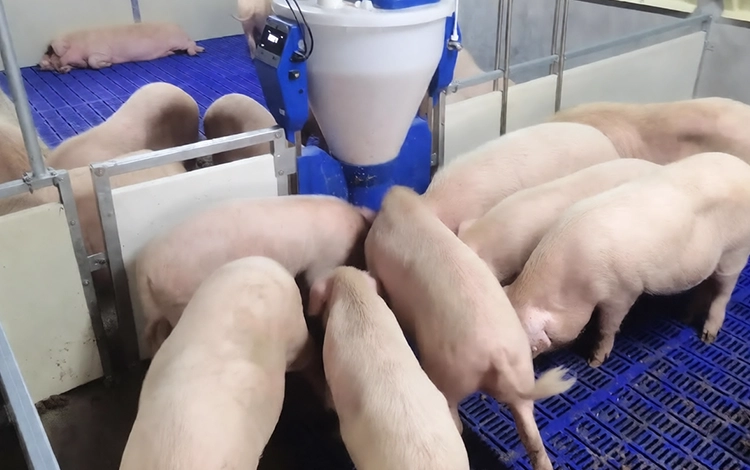
In large-scale livestock farms, feed management is crucial for ensuring animal health and production efficiency. Monitoring the feed level in troughs in real time can effectively trigger automated replenishment while reducing feed waste and lowering operational costs. Therefore, an accurate and efficient feed trough level monitoring system is increasingly important.
Technical Implementation
Ultrasonic sensors serve as an ideal solution for feed trough level monitoring. By emitting sound waves and measuring the time taken for reflections to return, the sensors determine feed levels with non-contact, high precision, and high stability.
Advantages
- Non-contact Measurement: Ultrasonic sensors operate without direct contact with the feed, avoiding contamination or equipment damage. They are suitable for various feed types (e.g., granules, powder, liquid, or semi-solid slurry).
- Real-Time Feedback and Automated Replenishment: The system monitors the remaining feed levels in real-time and can directly relay data to livestock management systems. When feed levels fall below preset thresholds, the system can automatically initiate replenishment, ensuring timely fulfillment of animal husbandry needs.
pplication Prospects
The application of ultrasonic sensors in feed trough level monitoring provides reliable support for the automation and intelligent management of the livestock industry. With growing attention to breeding efficiency and animal welfare, various types of farms are benefiting from intelligent feed management. An accurate feed monitoring system can improve management practices and reduce operational costs in the long run.
Considerations
When implementing ultrasonic sensors for feed trough level monitoring, the following factors should be considered:
- Sensor Selection: The sensor type should be chosen based on the size, shape of the feed trough, and the nature of the feed, ensuring that the measurement range and precision meet requirements.
- Feed Type Influence: Different feed characteristics (such as dryness and density) may impact sound wave propagation; thus, comprehensive testing should be conducted before usage to ensure system effectiveness under various conditions.
- Environmental Interference: The installation position of the sensors should minimize interference from other facilities (such as feed transport pipelines and electrical lines) to ensure data accuracy.
In summary, the application of ultrasonic sensors in feed trough level monitoring not only enhances the automation and intelligent management of livestock farms but also ensures the stability and efficiency of animal husbandry. As breeding technologies further develop, ultrasonic sensors will play an increasingly larger role, providing innovative solutions for the livestock industry in the future.
7. Monitoring Water Levels in Drainage Ditches and Irrigation Channels
Application Background and Needs
In modern agriculture, effective water management is crucial, especially in irrigation systems. Efficient water level monitoring ensures that soil receives adequate moisture, preventing both under- and over-irrigation. Additionally, monitoring water levels in drainage ditches and irrigation channels is vital to preventing soil erosion and maintaining a healthy agricultural ecosystem. Therefore, a high-precision and high-response water level monitoring system is essential.
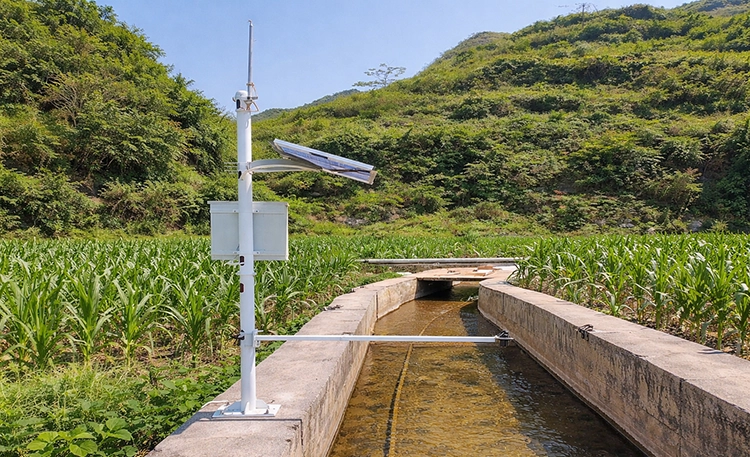
Technical Implementation
Ultrasonic liquid level sensors are highly suitable for monitoring water levels in drainage ditches and irrigation channels. The sensors, positioned above the water surface, periodically emit ultrasonic waves and receive echoes from the water surface, calculating the water level based on the time taken for waves to return. This non-contact measurement method ensures long-term stability and accuracy of the system.
Advantages
- Real-time Water Level Monitoring: Ultrasonic sensors can continuously track water level changes, transmitting data in real time to management systems to facilitate prompt adjustments to irrigation measures or to prevent flooding.
- Automated Control Systems: When combined with irrigation management systems, the ultrasonic liquid level monitoring system can adjust pumps or gates automatically based on real-time water level data, significantly enhancing water resource utilization efficiency.
Application Prospects
As intelligent irrigation technology continues to evolve, the role of ultrasonic sensors in water level monitoring will become increasingly important in agricultural production. Through intelligent water management, fields can achieve precise irrigation and resource conservation, minimizing soil erosion risks and creating more suitable environments for crop growth.
Considerations
When using ultrasonic sensors for monitoring water levels in drainage ditches and irrigation channels, attention should be paid to the following aspects:
- Environmental Interference: Debris and floating objects in monitored areas may affect sound wave propagation; thus, regular cleaning around the sensor area is necessary to ensure measurement accuracy.
- Regular Calibration: To maintain measurement precision, sensors should be calibrated periodically, especially when environmental conditions change (e.g., temperature and humidity).
- Stability of Data Transmission: Ensuring stable data transmission between sensors and control systems, utilizing suitable cables or wireless communication technology, is essential to reduce interference and signal loss risks.
Overall, the application of ultrasonic liquid level sensors in monitoring drainage ditches and irrigation channels contributes to effective agricultural water resource management while enhancing the intelligence of irrigation operations, providing robust support for sustainable modern agriculture. With ongoing technological advancements, ultrasonic sensors will play a more significant role in the future of agricultural production, aiding in the realization of precise and efficient water management.
8. Agricultural Machinery Operation Status Self-Diagnosis
Application Background and Needs
In efficient agricultural production, real-time monitoring of agricultural machinery’s operational status is crucial. This capability not only increases operational efficiency but also aids in the timely identification of potential faults, ensuring stable operation of agricultural equipment. With increasing mechanization and work intensity in agriculture, the wear and fault risk of machinery rises accordingly. Establishing an effective self-diagnosis system can quickly identify faults and issue alerts, facilitating maintenance and extending equipment lifespan to ensure continuity in production.
Technical Implementation
Self-diagnosis technology mainly relies on high-precision ultrasonic sensors. Agricultural machinery’s real-time monitoring and fault alerting are implemented through the following means:
- Ultrasonic Sensor Monitoring: Sensors installed on key components of agricultural machinery monitor displacement and vibration in real-time. Any abnormal looseness or other damages can trigger dynamic detection of displacement changes.
- Data Processing and Alarming: Data collected by the sensors is processed via a central control system to analyze whether it exceeds normal ranges. If abnormalities are detected, the system will immediately trigger an alarm, alerting operators to perform inspections and maintenance.
- Remote Monitoring Capability: Integrating with IoT technologies, detected data can be uploaded in real time to a cloud platform, allowing users to check information from mobile devices or computers, enhancing equipment management and fault response convenience.
Application Prospects
As device intelligence levels continuously rise, self-diagnosis systems will further develop. In the future, agricultural machinery will feature stronger self-monitoring capabilities. By analyzing and mining real-time data, machines can automatically generate maintenance suggestions, aiding farm managers in optimizing operational arrangements. Moreover, the concept of predictive maintenance will allow machinery to be serviced before faults occur, thus further reducing operating costs and increasing productive efficiency.
Advantages
- Increased Reliability: Real-time monitoring of equipment operational status allows quick identification of potential faults, minimizing unexpected failures and enhancing overall reliability.
- Reduced Maintenance Costs: Timely identification and repair of issues can effectively prevent widespread equipment failures, decrease repair times, and lower maintenance expenses.
- Optimized Operational Efficiency: Self-diagnosis systems analyze the efficiency of agricultural machinery under various working conditions, providing useful operational optimization suggestions to ensure machines remain in optimal working states.
Considerations
When implementing self-diagnosis systems, the following factors should be considered:
- Sensor Selection: Choosing suitable ultrasonic sensors is crucial—sensors should be selected based on the characteristics of agricultural machinery, working environments, and task requirements, ensuring high precision and strong stability. For instance, sensors like the ISUB500-18GM40 with IP67 protection offer reliability in harsh conditions.
- Data Processing and Algorithms: Ensuring that the data processing system possesses sufficient computational capabilities to analyze data timely and accurately, along with providing effective fault alert feedback. Techniques such as Automatic Gain Control (AGC) may be employed to enhance signal reliability under varying environmental conditions.
- User Training: Operators need to be well-versed in equipment usage and maintenance knowledge to understand the data and suggestions provided by the self-diagnosis system, enabling them to respond appropriately and adjust operational modes.
In summary, the implementation of self-diagnosis systems for agricultural machinery not only significantly enhances operational efficiency and equipment reliability but also provides effective support for agricultural modernization. With continual technological innovations, future self-diagnosis systems will play an increasingly important role in agricultural production, equipping farm managers with more comprehensive and intelligent management tools.
Conclusion
In the rapid development of modern agriculture, technological advancements have driven a transformation in agricultural production methods, making intelligence and automation new trends in agricultural management. By introducing ultrasonic sensors and other advanced monitoring technologies, real-time monitoring and management of fields and agricultural equipment have been realized, covering applications such as feed trough level monitoring, liquid level monitoring, compost fermentation process monitoring, and water level monitoring in drainage ditches and irrigation channels, as well as self-diagnosis for agricultural machinery.
These technological applications provide significant benefits:
- Increased Efficiency: Real-time monitoring enables precise understanding of resource usage, optimizing irrigation and fertilization plans while reducing waste, thus enhancing overall operational efficiency.
- Cost Reduction: Early fault diagnostics and automated replenishment mechanisms effectively minimize maintenance and operational costs while preventing economic losses due to equipment failures.
- Safety Assurance: Accurate monitoring promptly reports various anomalies, reducing potential crop losses and equipment failures, ensuring the safety of agricultural production.
- Sustainable Development: Scientific utilization of water and fertilizers minimizes environmental impacts, laying the foundation for ecological agricultural development.
- Promoting Smart Agriculture: The introduction of intelligent technology helps traditional agriculture transition towards digitization and technological advancements, opening limitless possibilities for future agricultural developments.
Looking forward, with further applications and advancements of new technologies such as the Internet of Things and artificial intelligence, agricultural monitoring and management will become even more intelligent, leading to a more efficient, environmentally friendly, and sustainable agricultural production model. This will not only enhance agricultural productivity and economic benefits but will also promote modernization in agriculture, achieving a harmonious coexistence between humanity and nature.
FAQ
Q1: What advantages do ultrasonic sensors have in agriculture?
A1: Ultrasonic sensors offer key advantages in agriculture, including non-contact measurement, high precision, and real-time monitoring capabilities. They can be applied in various scenarios such as spray height control, liquid level monitoring, and material level monitoring, helping farmers manage resources precisely and decrease waste, thereby improving crop yields and quality.
Q2: How do I choose suitable ultrasonic sensors for agricultural environments?
A2: Selecting the right ultrasonic sensor involves considering several factors: the working environment (e.g., humidity, temperature, dust), measurement range, protective level (e.g., IP67 or above), and sensor sensitivity and response speed. Ensuring sensors possess these characteristics will aid in their long-term stable operation in agricultural settings.
Q3: How do ultrasonic sensors improve the precision of irrigation and fertilization?
A3: Ultrasonic sensors monitor crop height and liquid level changes in real-time, allowing dynamic adjustments to sprayer height or pump controls for precise fertilization and irrigation. This intelligent monitoring ensures that fertilization and irrigation amounts are reasonable, maximizing resource use efficiency.
Q4: What role do ultrasonic sensors play in compost fermentation processes?
A4: Ultrasonic sensors can monitor changes in compost height in real-time, helping managers understand the dynamics of the fermentation process. This real-time data collection enables timely adjustments to aeration and turning strategies, ensuring optimized conditions for both airflow and fermentation efficiency.
Q5: What environmental factors should be considered when using ultrasonic sensors?
A5: When employing ultrasonic sensors, environmental impacts on sound wave propagation, such as wind speed, humidity, and the presence of bubbles, should be considered. Regularly calibrating sensors, maintaining cleanliness around them, and adjusting for external variances will help boost detection precision and system reliability.
-
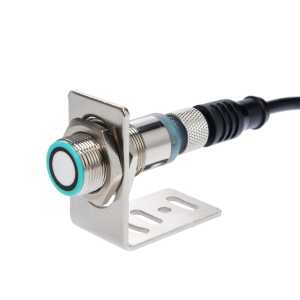
ISSR 500mm High Precision Short Range Ultrasonic Distance Sensor|200kHz
-
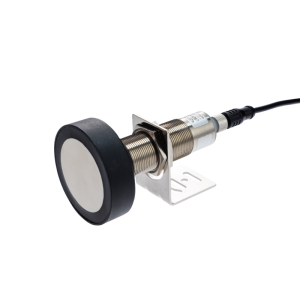
ISSR 6M Ultrasonic Level Sensor|Multi-Output Analog/Switching/Digital
-
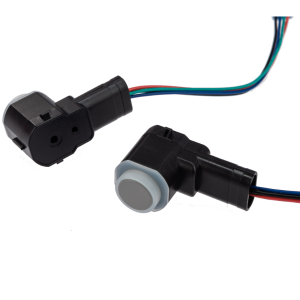
ISUB1000-17GKW29: 1M 58kHz Ultrasonic AGV Obstacle Avoidance Sensor
-
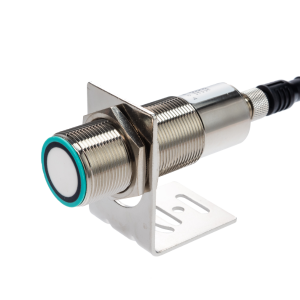
ISSR Full-Integrated 2M Ultrasonic Liquid Level Sensor
-
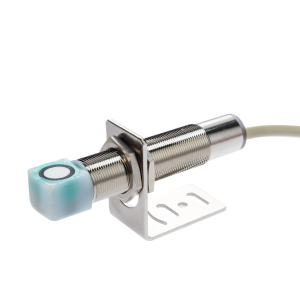
ISSR 1M 200kHz Right Angle 90-Degree Bend Fully Integrated Ultrasonic Distance Sensor
-
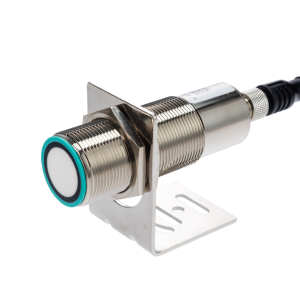
ISSR All-in-One 500MM Ultrasonic Sensor: Switch, Analog & Data Output
-
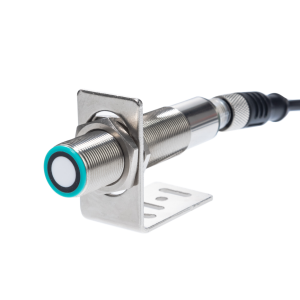
ISSR All-in-One Ultrasonic Sensor: 1m Range Level & Object Detect
-
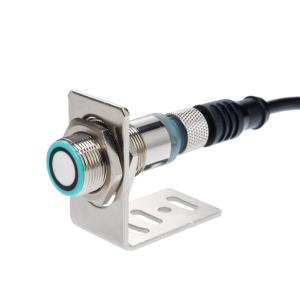
ISSR 0.15M 400kHz Ultra-high Precision Short-Form Ultrasonic Distance Sensor